















This is everything I wish I had before going off on my first trip to Japan! Please use this guide to help you prepare for your visit and make it easier. Please remember that travel-related factors, such as immigration procedures and exchange rates, can change at any time, and you should consult official resources beyond this guide to ensure you’re compliant.
Register with Visit Japan Web
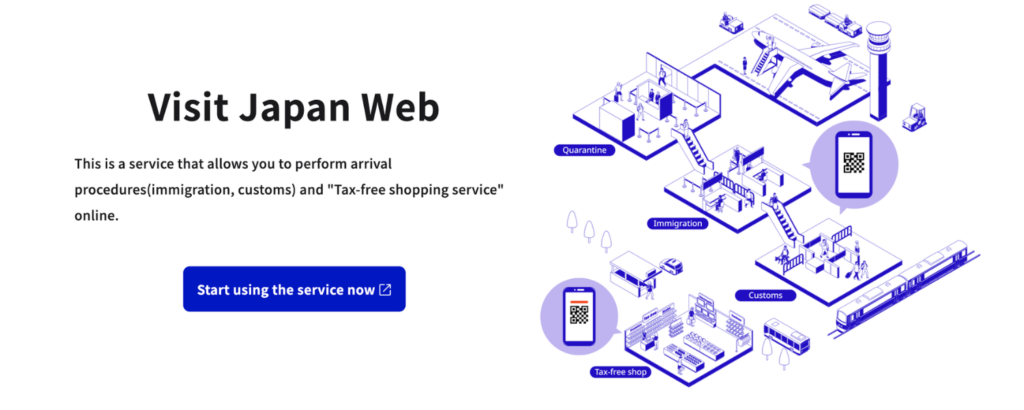
To make it easier to get through immigration, I highly recommend signing up for Visit Japan Web. You’ll receive a QR code, which will be scanned at a kiosk.
Before going to Japan, you’ll sign up, provide your arrival details, and submit an arrival form, which will give you the QR code. There is still a chance there could be a problem, and you’ll have to deal with an immigration officer. In all honesty, this did happen to me, but I watch tons of others have zero problems.
The Golden Route
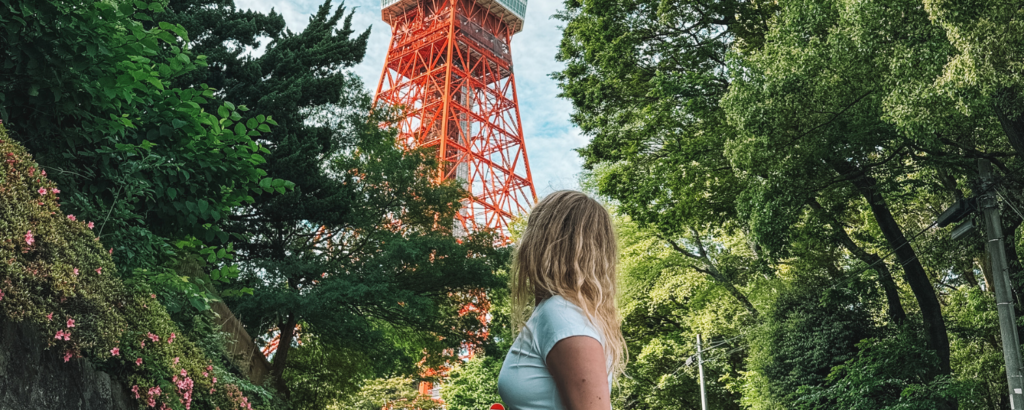
These are the top cities most people visit for the first time: Tokyo, Kyoto, and Osaka. There is absolutely nothing wrong with doing these cities. In fact, I did all three! I do have full guides on what to do in each.
Tokyo
Tokyo started out as a small fishing village called Edo, but things really took off in the 1600s when Tokugawa Ieyasu, founder of Japan’s last shogunate, made it his base during the Edo period. By the 1700s, it had grown into one of the largest cities in the world. Pretty impressive for what was once a quiet village!
In 1868, it was renamed Tokyo (“Eastern Capital”) during the Meiji Restoration, and it is the de facto capital today. Tokyo is now the world’s largest metropolitan area, and despite its size, it’s incredibly clean and has one of the most efficient train systems anywhere.
Tokyo is a great base for a ton of day trips and is home to some of my favourite things, like Tokyo Tower, the Giant Ghibli Clock, and Ueno Park!
Related Article
Kyoto
Kyoto was founded in 794 AD and was Japan’s imperial capital for over 1,000 years. It became the heart of Japanese culture, filled with beautiful temples, shrines, and traditional architecture. Even after the capital moved to Tokyo in 1868, Kyoto kept its historic charm. Today, it’s known as one of Japan’s most iconic cities, where old traditions and modern life come together.
Kyoto holds a special place in my heart. It’s also home to Fushimi Inari-taisha, the Nintendo Museum, and the amazing Arashiyama Bamboo Forest!
Related Article
Osaka
Osaka’s history goes back over 1,500 years, and it grew into a key trade hub thanks to its location along major waterways. It was even briefly Japan’s capital in the 7th century, back when it was called Naniwa. In the late 1500s, Toyotomi Hideyoshi put the city on the map by building Osaka Castle, turning it into a major political center.
By the Edo period, Osaka had become Japan’s economic hub and earned the nickname “Nation’s Kitchen.” It later grew into an industrial powerhouse, was heavily damaged in World War II, and was quickly rebuilt into the vibrant, food-loving city it is today.
I’ll be real here. Osaka took a few days to grow on me. I really wasn’t getting down with the “retro vibes”, but now I definitely get it. My cannot-miss spots are Dotonbori, the Osaka Aquarium, and the Umeda Sky Building Observation Deck!
Related Article
Beyond the Big Cities
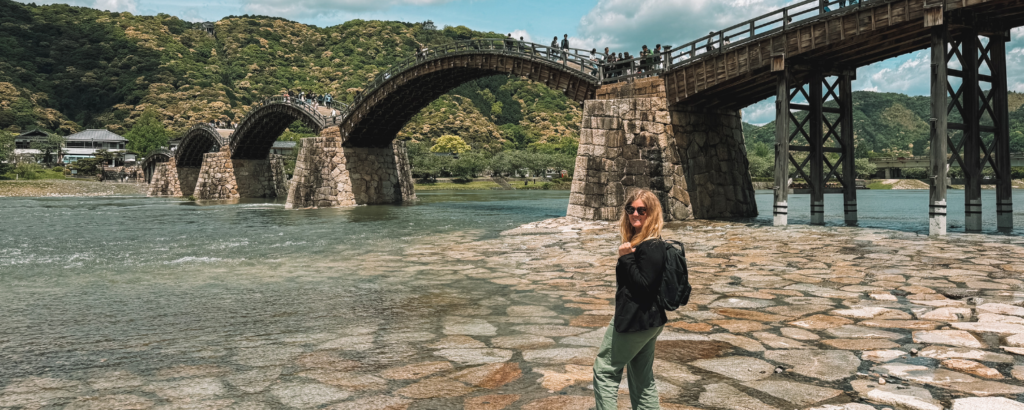
If you only have two weeks, I completely understand why you’d want to hit up just the Golden Route. However, I’d like to argue you can absolutely fit in some day trips to smaller spots to really enrich your time in the country. On top of that, Japan is simply SO MUCH MORE than its famous cities.
Some of my best memories are actually from these day trips! I’d like to give a special highlight to Kamakura, which was a last-minute decision on my final day, and I adored it.
Getting Around Japan
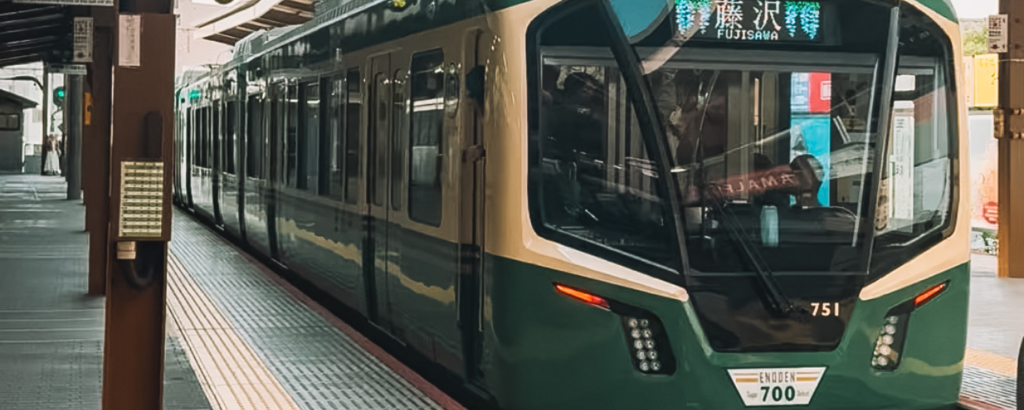
Public Transit
The public transit options in Japan, particularly in the bigger cities, are incredible! Everything runs on the IC card (more on that below), and it’s tap-and-go. You can buy individual tickets if you choose, but this seems like more of a hassle, at least from my perspective.
I used the regular transit system to get around the big cities and even to some smaller ones to spend the day there. It’s super convenient and clean, with plenty of signs to show where you’re going.
Shinkansen
The famous bullet train! Yes, it’s very cool and fast. I took this four times in my three weeks, and it’s a great way to get around. However…..it’s definitely not the cheapest method of transportation. I would recommend it for inter-city travel, such as from Tokyo to Kyoto or Osaka to Nagoya.
Though it can be pricey, I still believe it’s cheaper and more efficient to buy individual tickets rather than get the Japan Rail Pass (JRP). The JRP really only makes sense if you’re going to be doing a ton of Shinkansen travel within a short period of time. There are also a ton of limitations on it. It would be best to see how much it will cost you to get where you want to go over a specific period of time, vs. the cost of a JRP for that number of days, and whether the pass will even cover the routes you want to take.
Personally, I spent around $400 USD across my four tickets over three weeks, and the JRP for three weeks would have cost me 100,000 Yen or about $623 USD in the ordinary car. So, for my personal situation, individual tickets were absolutely the cheaper option!
You can buy tickets via Klook, and while I could drop an affiliate link here, I believe it’s better for you to use the official EX app. Purchase your tickets directly and register your IC card to link it to your reservation, so you can tap it instead of scanning the QR code on your ticket! It was seriously soooo much easier.
IC Card

Japan runs its public transit system on what’s called an IC Card. There are 10 major cards issued nationwide, including the top three: Icoca, Pasmo, and Suica. If you’re landing in Tokyo, as most do, you can get a Suica card. An IC card is a rechargeable card that can be used for public transit and at vending machines, convenience stores, shops, and restaurants.
How to get an IC card?
You can purchase a physical card at a ticketing machine or ticket counter inside the railway station. There is an initial deposit of ¥500 for the card.
If you’d prefer a digital version, for non-Japanese residents, and you have an iPhone, this is an option. Unfortunately, Android users are out of luck. However, there have apparently been talks about allowing Android users sometime in 2027.
To get a digital card, go to your Wallet, tap the plus symbol, then select transit card. Pick which card you’d like: Icoca, Pasmo, Suica, or Toica. For a brand-new card, select “add new card”. If you’ve previously purchased a physical card and would like to convert it to a digital one (as I did), select “transfer existing card”. If you transfer from a physical to a digital card, the physical card will become inactive and cannot be reloaded.
Make sure your new digital IC card is set to “Express Transit” in your wallet settings if it didn’t prompt you during setup.
Reloading Your IC Card
For physical cards, you can find refill stations near the gates inside rail stations. Each one I’ve come across has only accepted cash. You can select your language on the machine and follow the easy prompts to reload the card.
For digital cards, select the card in your wallet, then select Add Money. Choose the card you want to use and authorize the transaction. Your balance should update in less than a minute. As a note for my points-and-miles people, the digital reload is coded as shopping rather than travel. Once I noticed this, I switched to my Venture X to earn 2x per dollar rather than 1x.
How to Use Your IC Card
At stations, look for the IC logo and tap your phone or card. The light on the gate will glow, indicating it was authorized and you’re good to go! The digital card will also give your phone a small vibration, show you that a trip is in progress, and automatically keep you updated on the trip cost and your remaining balance.
At stores and vending machines, simply check whether IC cards are accepted. You can also tap them like a credit card. Many vending machines will accept IC cards, but not credit cards, so it’s pretty handy if you don’t want to pull out cash or coins (also a good way to keep earning points on purchases with IC card refills rather than burning through cash). I did have to manually select my IC card for these purchases, rather than it pulling automatically, as it does at the transit gates.
Mobile Apps
If you go the digital route, I highly recommend getting one of the mobile apps, as it will be helpful if you want to use your IC card for the Shinkansen. The app store has two options: Suica and Welcome Suica Mobile.
To be frank, I didn’t know the Welcome Suica Mobile app existed until I started writing out how this all works. Based on that research (and a temporary download), that version is geared towards tourists specifically and is entirely in English. You must load at least ¥1,000 in order to be issued a digital card, and the card expires 180 days from the date of issue. The balance cannot be refunded either, so you’ll want to be more careful about reloads. This one might make more sense if you have a short trip, don’t mind losing a balance at the end, and won’t be returning to Japan anytime soon.
Your other option is the Japanese app Suica, which is not in English, but I’ve had no problems using it. I’d recommend this one if you want to keep your card long-term (they become invalid if not used within 10 years). Otherwise, the main reason for having it is to access the full card number (SuicaID) so it can be added to the SmartEX app for the Shinkansen. Apple Wallet doesn’t show the full number, and if you transferred from a physical card, that SuicaID won’t work. Personally, I much prefer the regular card to the tourist version.
Public Toilets
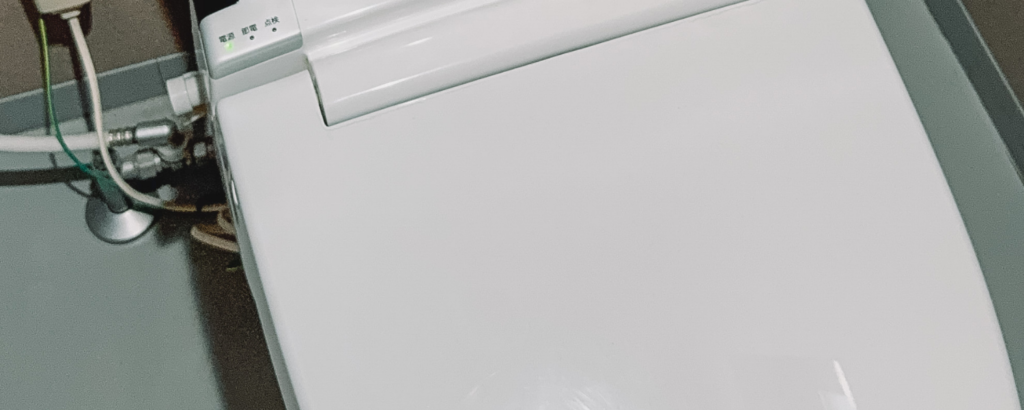
Japan has amazing public toilet access! Each one I went into was clean, and many even had bidets (not all). These are also free of charge, which is the icing on the cake.
You’ll often find these in train stations, parks, and shrines. I even found a few as standalones on the street! While the access and cleanliness are truly remarkable, and I wish I could do nothing but rave, there are a few downsides I need to mention. While not an issue in each one, many of the public toilets lack soap and hand towels. So there’s a sink, but nothing to actually wash or dry your hands with.
I would highly recommend carrying around some soap sheets and a personal hand towel, so you’re not stuck in any unfortunate situations. Hand towels were a common souvenir, so you can even pick one up in Japan if you don’t want to get one ahead of time. I never had an issue with a lack of toilet paper!
Convenience Stores
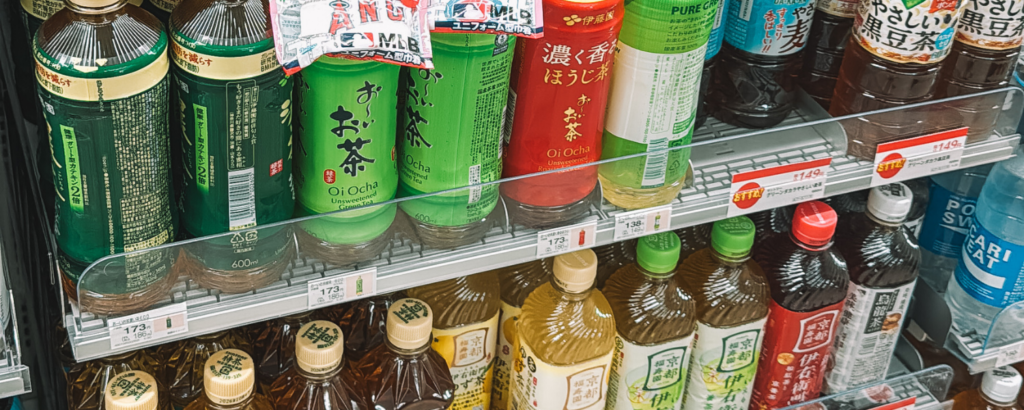
Japan is very well known for its convenience stores, with the top ones being: 7-Eleven, Lawson, and Family Mart. You mostly hear about 7-Eleven, but I would argue that each one is unique in its own right, and you shouldn’t focus on just one because it’s all you see on social media.
7-Eleven is great! Don’t get me wrong. Their cold steamed sweet potato dumplings are insane. I miss them every day. However, I much preferred the store-brand tea from Family Mart over 7-Eleven. Lawson also had awesome onigiri options!
It’s best to visit one of each to know what you like from the different stores, rather than develop blind brand loyalty. I’d also like to note, for my points-and-miles people, these coded as groceries for me if you’re trying to maximize earning potential.
Yes, I know the convenience stores are great. However, if you want to save a bit more money, make sure to look out for grocery stores! Your drinks will be cheaper!
Language Barrier
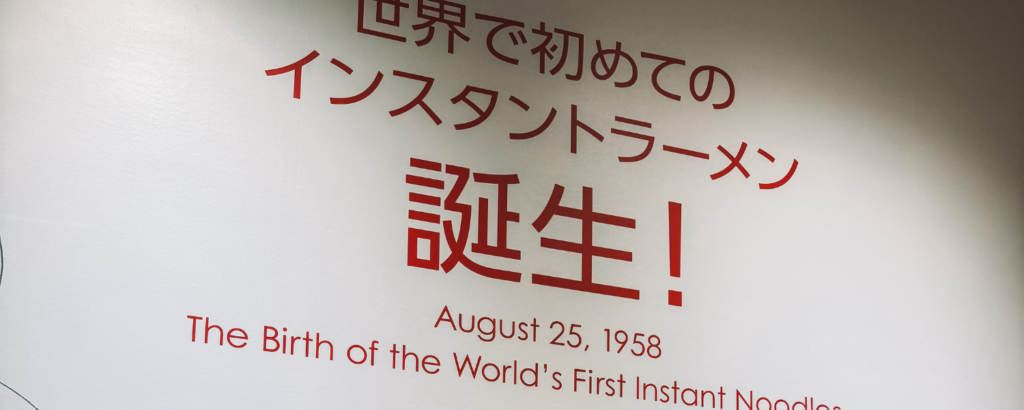
The official language of Japan is Japanese! Although everyone gets English lessons while in school, this does NOT mean everyone you come across will speak English. There is a greater chance that workers in tourist areas will speak at a higher level, but it’s still better to have some basic phrases under your belt: Hello, thank you, yes, no, where is X?, how to order food, etc.
Many restaurants have menus in English, but if they don’t, a translator that can handle images will be your best friend! Believe it or not, I just used Google Lens.
It’s a bit intimidating to be in a country where you can’t speak or read the language, but in my experience, most people do their best to help you. Please, for the love of all that is travel common sense, don’t just assume everyone will speak English. A little Japanese goes a long way and makes things much easier.
In general, the language barrier really wasn’t an issue!
Coin Lockers
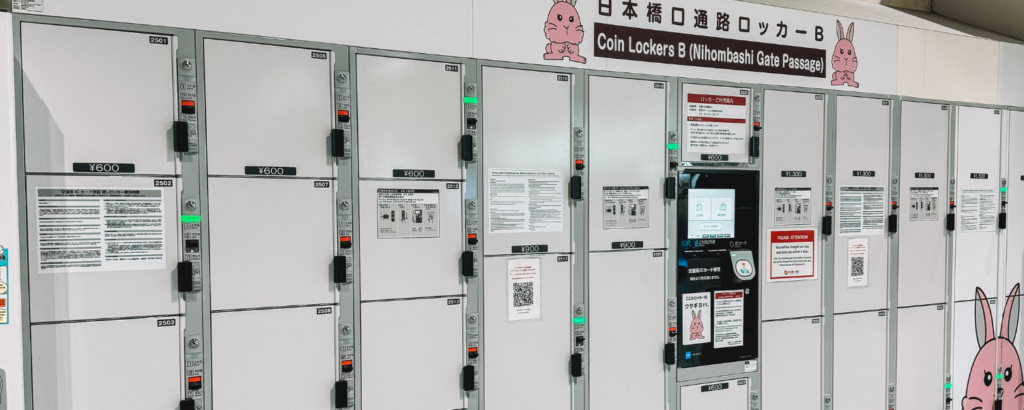
Primarily found in train stations, these lockers are great when you arrive in a new city or after you check out of a hotel and need somewhere to store your luggage or anything else you don’t want to carry.
Despite being called coin lockers, most accept IC card payments rather than cash. They come in multiple sizes, each with a different cost. Lockers tend to fill up quickly in more popular stations, but can be incredibly helpful when you find an open one. I used one in Kyoto after checking out of my hotel when I had a few hours before my train to Osaka, and getting to walk around without all that weight made things much more comfortable!
Clothing

I’m not going to tell you what you can and cannot wear. However, it’s just a note that the Japanese tend to dress on the more conservative side on average. You might find yourself standing out in tank tops and shorts, even in hot weather.
As an actual piece of advice, if you’re planning to visit temples or other sacred sites that require you to remove your shoes and you’re wearing sandals, make sure to bring socks! In Nagoya, I had to wear the slippers provided by the building, and even though they washed them between users, I’d rather have slipped on a pair of my own socks.
Pre-Booking Big Attractions
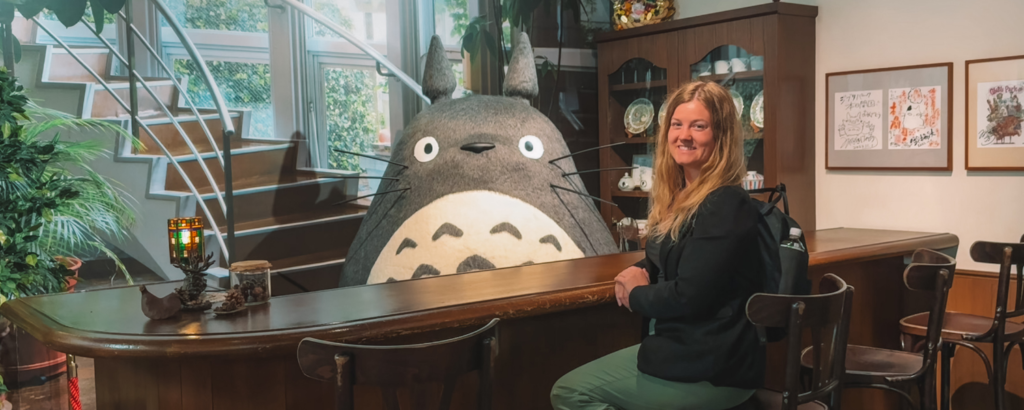
Most people (I would hope) know that popular attractions need to be booked in advance. However, Japan takes this to an entirely different level. Instead of just going online to check availability, many places release tickets via a lottery or a few months before the visit. You have to join a virtual queue and wait to purchase tickets, like it were for a live event.
Not all attractions are like this, but many you might not expect follow this model, such as the Nintendo Museum in Kyoto, Ghibli Park in Aichi, the Ghibli Museum in Tokyo, and the Imperial Palace. I’m sure there are more, but those are the ones I had to deal with for my trip. Make sure to check WELL IN ADVANCE of your trip for any hope of scoring a ticket. You’ll have to buy tickets, usually at least two months in advance. May the odds be ever in your favour.
Tax Free Shopping
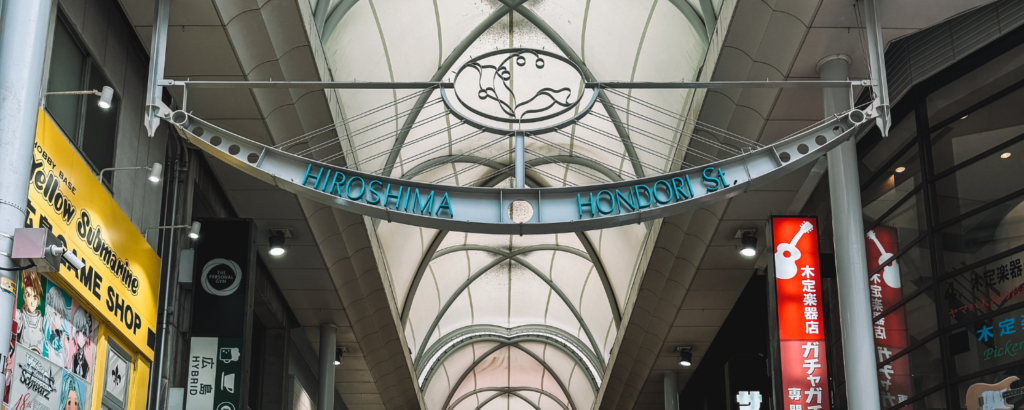
Many stores in Japan offer tax-free shopping! You’ll usually see a sign outside the store if they offer this. To have the tax removed at checkout, you must purchase at least ¥5,500 worth of products and have your physical passport with you.
The cashier will need to scan the entry sticker inside your passport, which you received at customs.
Not all stores offer tax-free! But it’s great if you’re planning on making purchases high enough to meet the threshold. For the record, Uniqlo does offer this, as does Don Quijote!
Cash vs Credit Cards
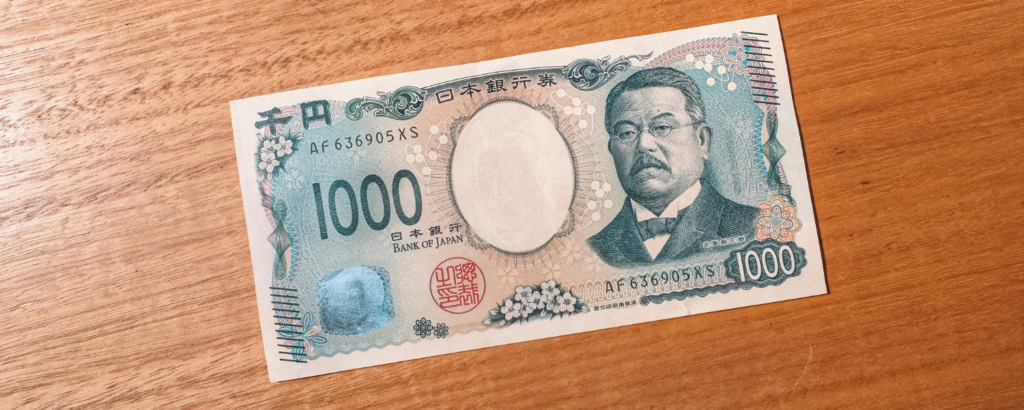
I would get a migraine from the amount of videos and advice I see online, saying how cash-heavy Japan is, and that might have been true up until five or more years ago. The country has become significantly more credit card-friendly.
I’m not saying don’t take out any cash! You definitely still need it for smaller vendors that might not accept cards, certain vending machines, etc. It’s just surprising how credit-friendly most places were, since that’s often not what you hear from so many travel gurus.
The airports do have ATMs you can use if you don’t get yen in advance. Otherwise, the 7-Eleven machines accept foreign cards if you need to withdraw more! Most banks will only accept Japanese cards.
Coin Purse

I don’t think I’ve ever wound up with more change in my entire life than I have in Japan. Clearly, I mentioned just above that more places were credit card-friendly than I expected. However, for the places I did need to use cash, the coins multiplied QUICKLY. Having a coin purse or another bag to keep them will help maintain your sanity.
Eating on a Budget
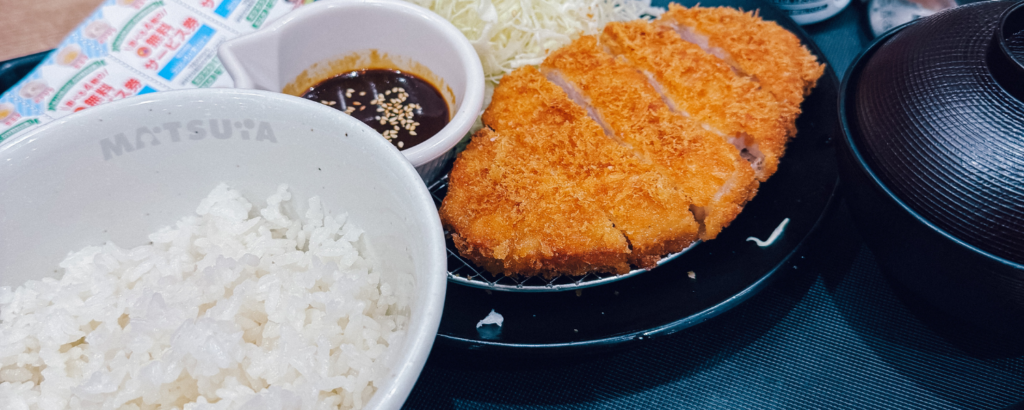
Japan is already pretty affordable for most people visiting from Western countries. However, if you’re still trying to stick to a budget or just want something simple, quick, and easy, you’re in luck!
First off, we can’t forget convenience stores like 7-Eleven, Family Mart, and Lawson. They’re famous for affordable snacks, drinks, and bentos! You can quite literally get a whole meal at one, and it won’t send you running to the bathroom like “gas station sushi” might. I would frequently grab onigiri for ¥300 yen or less. For the record, they shouldn’t even cost that much unless you’re getting something really fancy!
If you want something hot, quick, and comforting, let me introduce you to the magic of Matsuya, Yoshinoya, and Sukiya! These are essentially Japanese fast food, but instead of burgers, it’s gyudon, rice bowls, curry, katsu, soup, etc. One morning, I had an eel rice bowl set meal from Yoshinoya for under $7 USD and left totally satisfied! That was one of the most expensive things on their menu, for the record. Personally, Matsuya is my favourite of the three, and Sukiya is my least favourite. However, for an affordable filling meal, these really take the cake. They’re open early and close late!
Japanese fast food, like McDonald’s, is also significantly more affordable than its Western counterparts, but I would recommend doing that only once for the experience of the unique menu items.
Also, don’t write off grocery stores! You can find tons of pre-made items and hot food buffets that can save you a good amount of money. Many also discount items after a certain hour to clear the day’s stock!
Helpful Apps
Japan Wi-Fi Auto-Connect
In today’s travel world, eSIMs are basically where it’s at. You should definitely get one to maintain a consistent connection while travelling. However, sometimes signals can drop for plenty of random reasons. Tech isn’t perfect. In this case, wifi is a great backup!
Japan has a bunch of official public networks, and you can use the Japan Wi-Fi Auto-Connect app to connect to them automatically without having to reconnect every time! You do have to connect to the network the long way the first time for it to set up in your profile, but anytime after that you’re nearby, you’ll be automatically reconnected. This was super helpful when my eSIM crapped out on me in the middle of Tokyo for four hours. For the record, that’s the only time I’ve ever had an eSIM issue out of the dozen or so I’ve used.
Available on iPhone and Android
Tabelog
If you want to find honest reviews of local restaurants, you’ll want to get Tabelog! Think of it as Japan’s version of Yelp. You can find recommendations from both the Japanese and tourists, which is great if you’re looking for something English-friendly.
You can see restaurant menus and pictures of the food, which is amazing for people like me who can’t always picture a dish from the description.
Available on iPhone and Android
Suica
As discussed above, if you’re planning to use a digital Suica card, you’ll need this to refill it. I’m not sure if it can be refilled without this being downloaded, but if it can, please let me know in the comments below!
Available on iPhone
There are hundreds of translation apps out there, but believe it or not, Google, under the Lens tab, has a great free translator that is super helpful and quick for images!
Available on iPhone and Android
Google Maps
I would highly recommend using Google Maps over Apple Maps in Japan (and honestly, in general). It was very easy to find where I needed to go. Make sure to also download offline maps just in case you run into any data connection issues when out and about.
Available on iPhone and Android
Final Thoughts
This information is accurate as of the time of writing (July 2026). However, things can change at any time, particularly regarding immigration and exchange rates. Make sure to check official resources so you don’t run into any issues.
Japan is an incredible country, a real dream come true for many, and I’m so grateful I was able to pull off the trip I did and get all this information for you guys! Much of it was trial and error and learning as I went. If you have any questions, please leave a comment below!