


After three weeks in Japan, these are my favorite things to do in Tokyo when visiting for the first time! However, for the love of god. Do not book the Go Karts.
A Brief History of Tokyo
Tokyo started out as a small fishing village called Edo, but things really took off in the 1600s when Tokugawa Ieyasu, founder of Japan’s last shogunate, made it his base during the Edo period. By the 1700s, it had grown into one of the largest cities in the world. Pretty impressive for what was once a quiet village!
In 1868, it was renamed Tokyo (“Eastern Capital”) during the Meiji Restoration, and it is the de facto capital today. Tokyo is now the world’s largest metropolitan area, and despite its size, it’s incredibly clean and has one of the most efficient train systems anywhere.
Senso-ji Temple
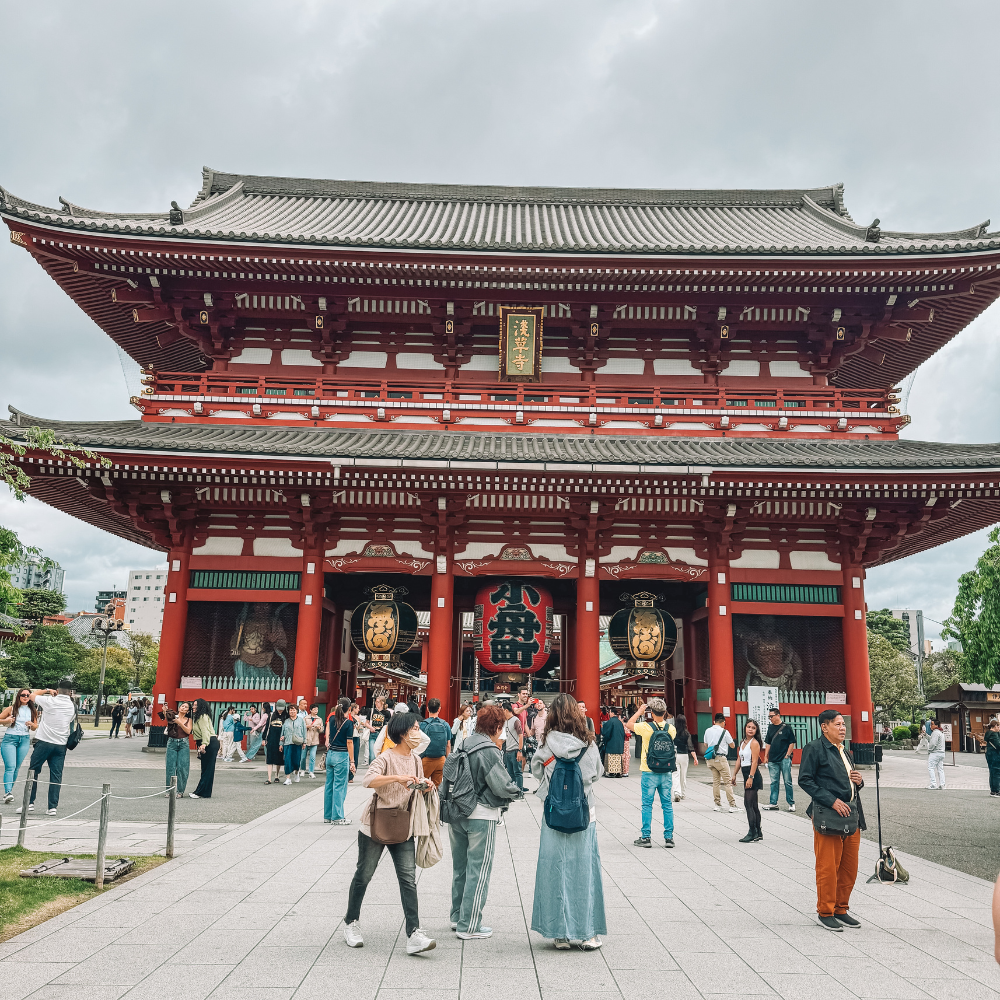
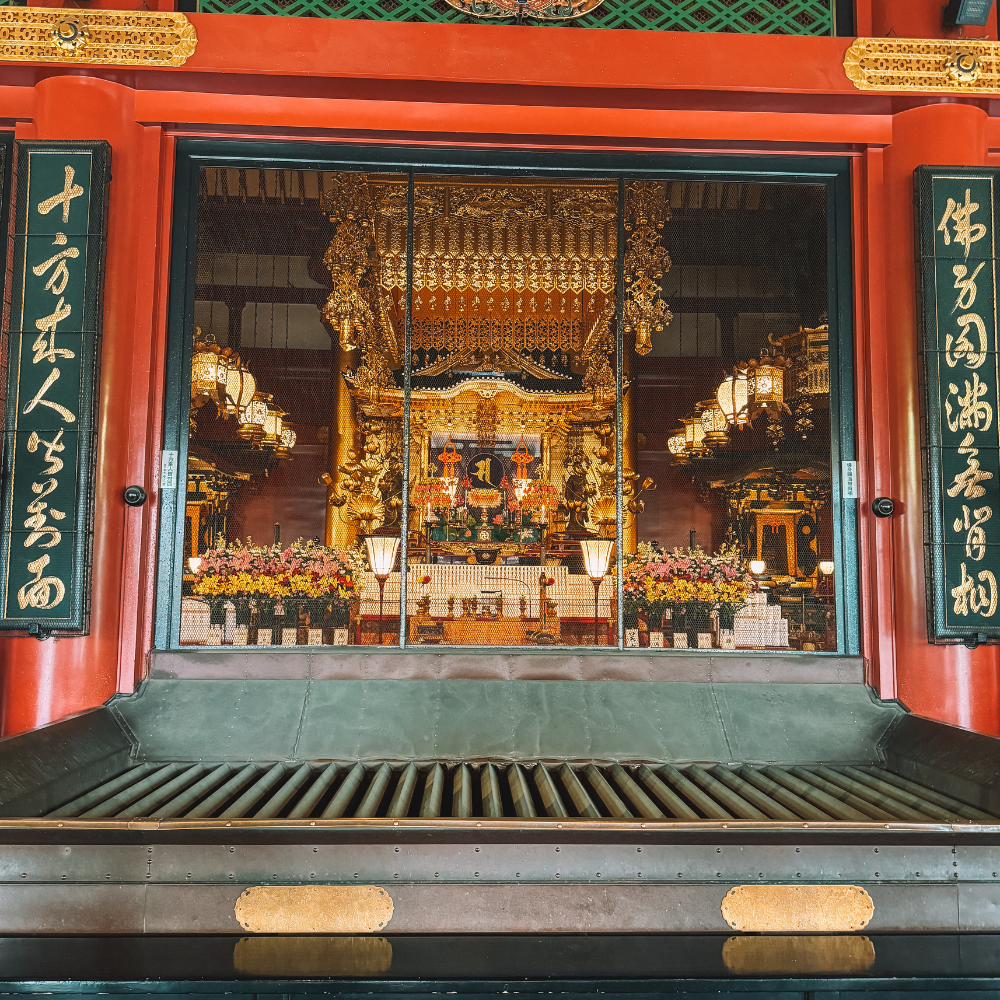
Sensoji, also known as Asakusa Kannon Temple, is a Buddhist temple in Asakusa, Tokyo, and one of the city’s most colorful and popular temples. The temple was finished in 645, making it the oldest in the city!
Before you approach the temple, you’ll encounter the Kaminarimon (Thunder Gate), which is also the symbol for the entire city. You’ll go down a massive shopping street with over 200 stores, with a history dating back several hundred years. At the end, you’ll find the main hall as well as the five-storied pagoda.
This was packed around 10 am, so I’d arrive early to avoid the larger crowds.
Senso-ji Five-Storied Pagoda
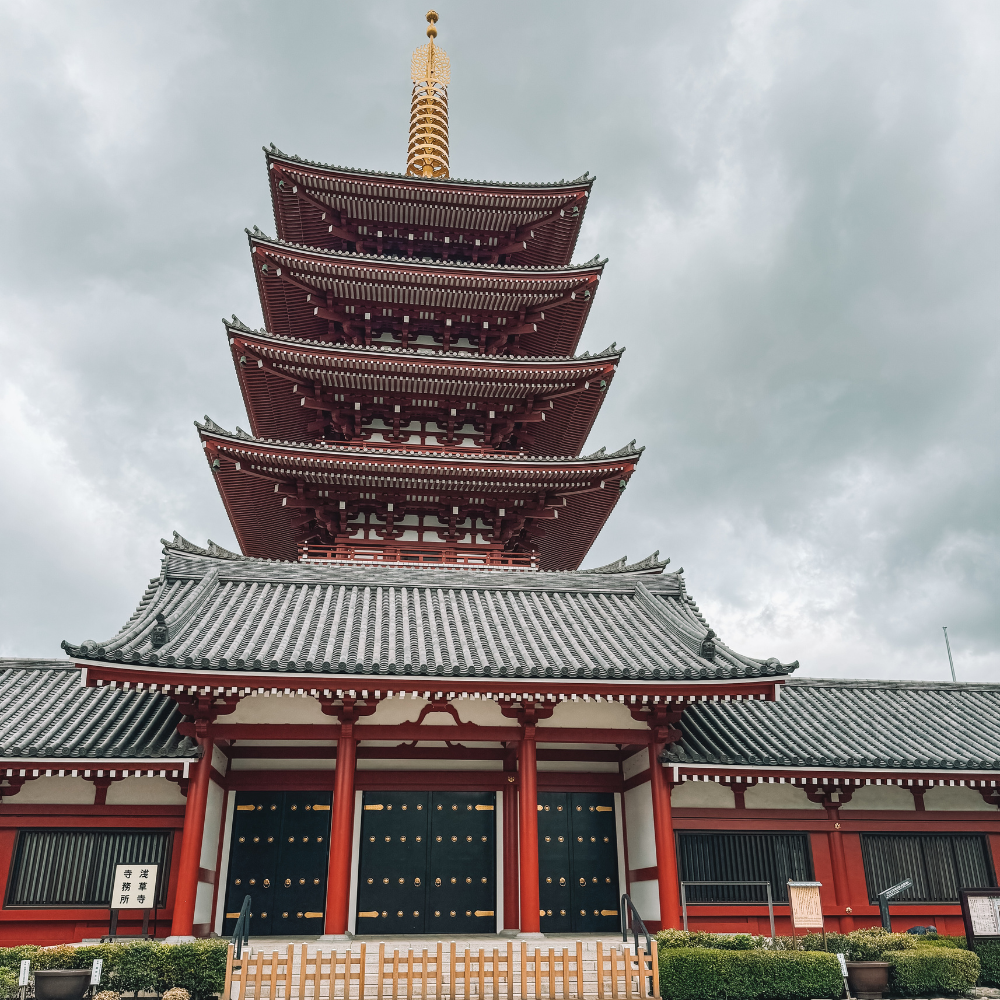
Standing 53.32 m (174.93 ft) tall, it’s the second-tallest pagoda in Japan. Originally constructed in 942 AD, rebuilt in 1648, and then destroyed during the Great Tokyo Air Raid of 1945. It was restored once more in 1973 and is now the pagoda people visit today.
Unfortunately, you’re not allowed to enter. With how many times they had to rebuild it, I honestly don’t blame them for keeping people out.
Asakusa Shrine
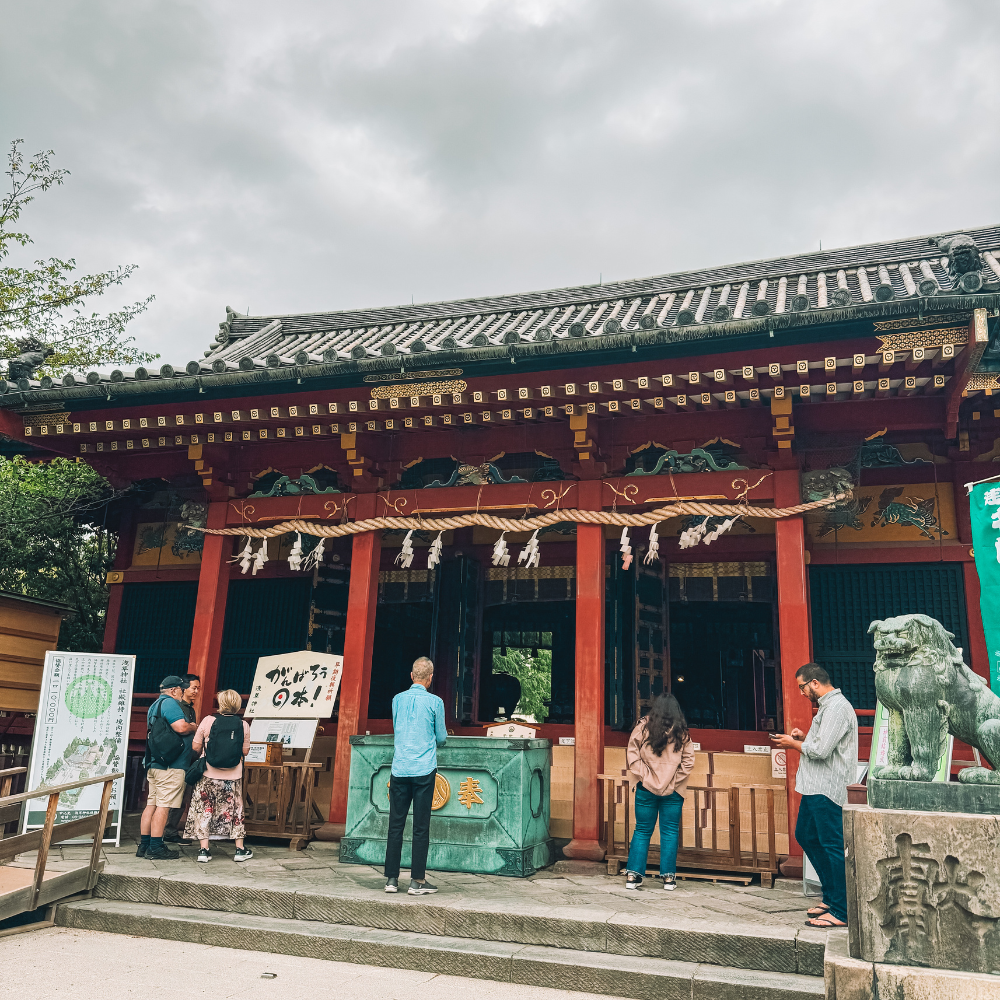
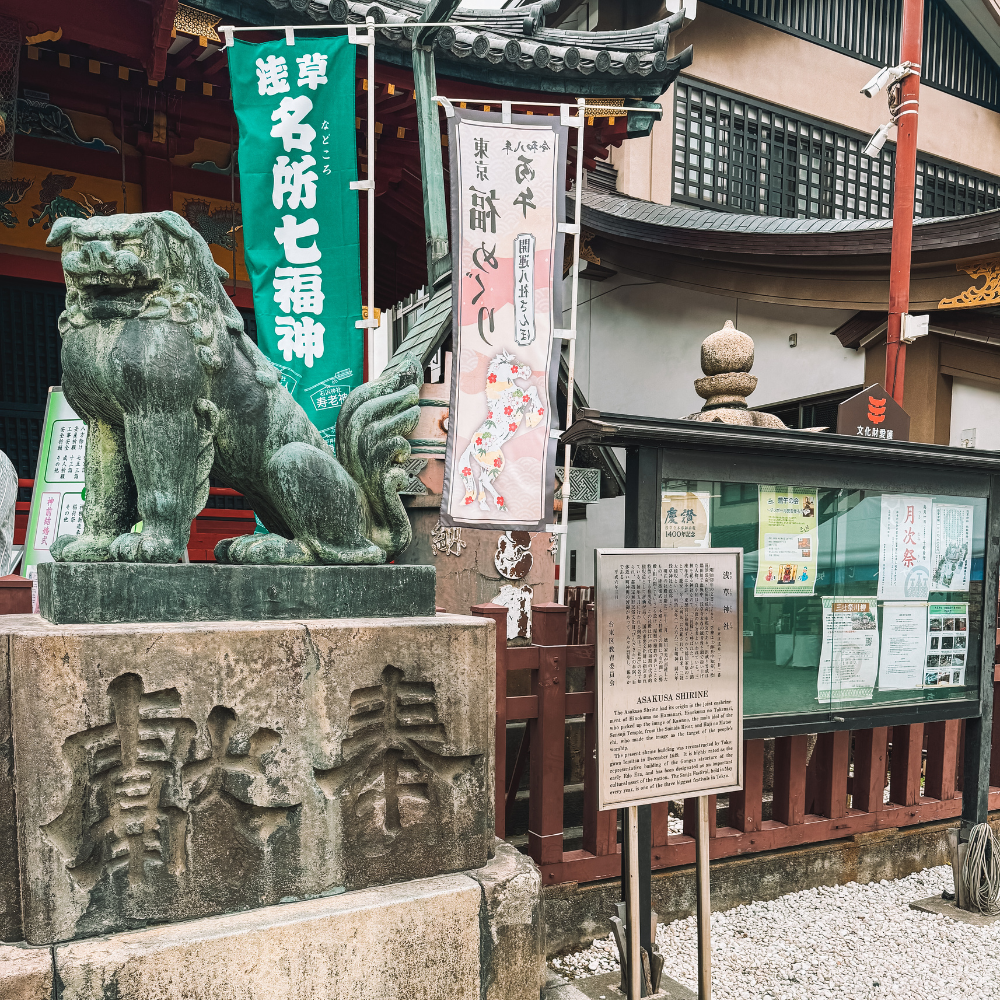
Asakusa Shrine, also known as Sanja-sama, is a well-known Shinto shrine in Tokyo’s Asakusa district. It sits right next to the famous Senso-ji Temple and is dedicated to the three men connected to the temple’s origins: the fishermen brothers Hinokuma Hamanari and Hinokuma Takenari, along with Haji no Matsuchi.
I personally don’t think this is something you should go out of your way for, but if you’re already at Senso-ji Temple, it’s nice to stop by.
Sanrio Store Asakusa
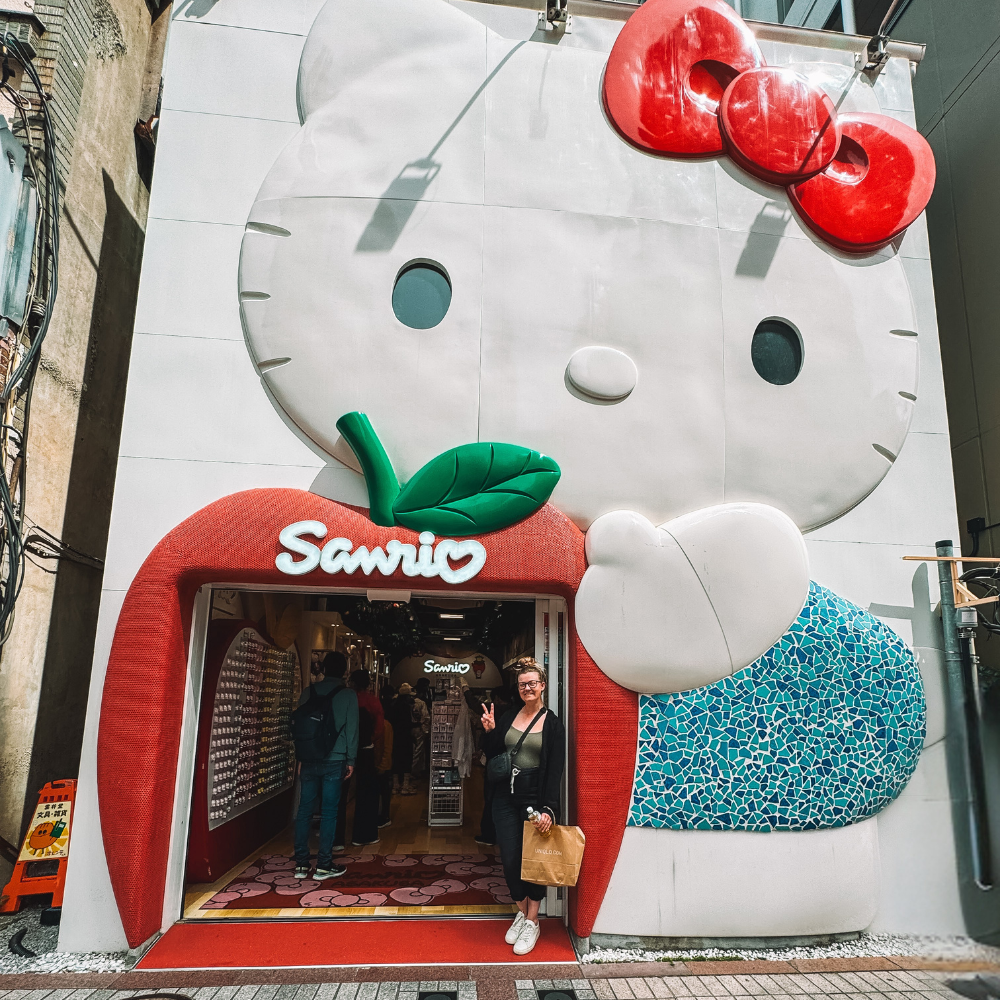
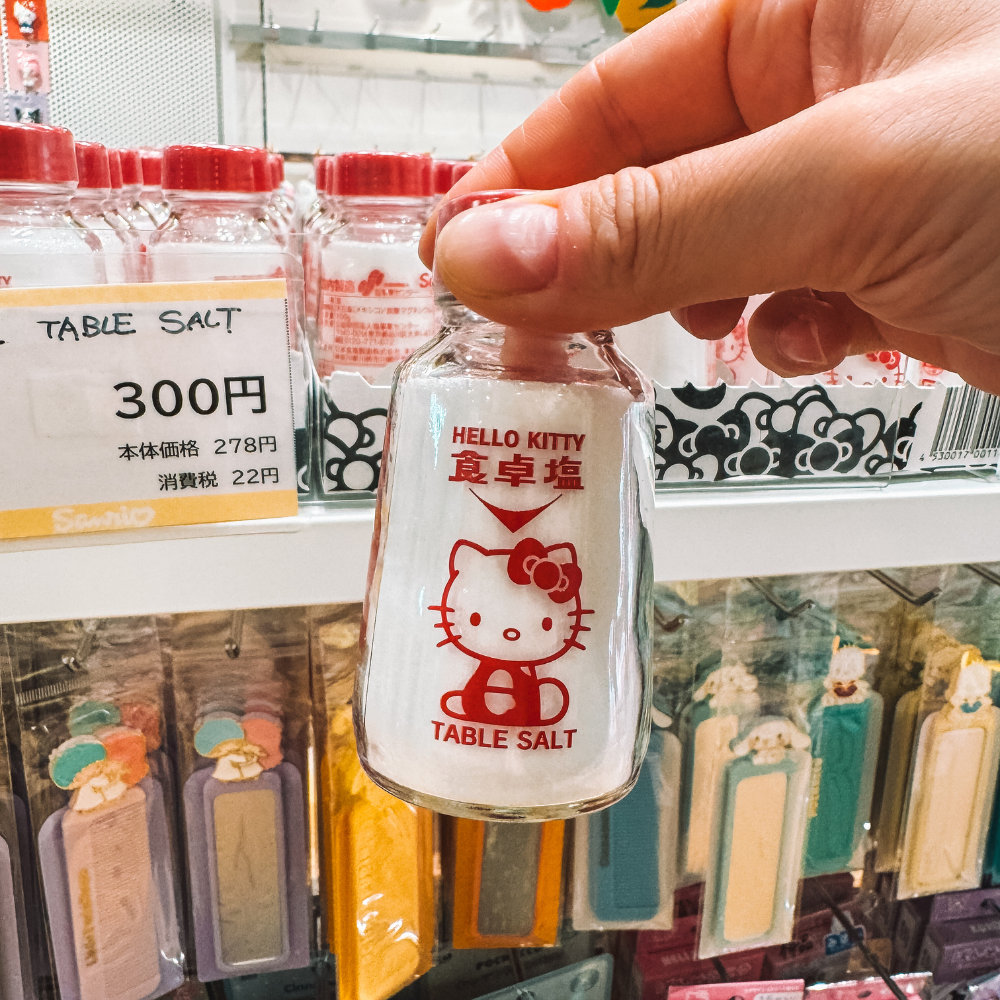
If you’re a Sanrio fan, the store in Asakusa is great! It’s not massive, but it does have two levels of character-themed goods. The outside of the store really stands out with a giant Hello Kitty and is super cute. I even found Hello Kitty table salt, which is just wild! Personally, I picked up a pen as a small souvenir.
Sumida River Walk
Running through the middle of Tokyo is the Sumida River! I found this on my first day and walked along it to visit Senso-ji Temple, rather than taking all the city streets. It’s pretty peaceful, especially on a nice day.
On my walk, I saw a team filming something, which was really cool to see! Absolutely no idea what it was for, but a nifty experience I wouldn’t have had if I hadn’t taken the scenic route.
Ueno Park
Ueno Park is one of Japan’s oldest and most popular public parks, opening in 1873 on the former grounds of Kan’ei-ji Temple in Tokyo’s Taito district. Today, it’s a major cultural hub filled with museums and attractions, including the Tokyo National Museum, the National Museum of Nature and Science, the Tokyo Metropolitan Art Museum, and the National Museum of Western Art.
The park is also home to Ueno Zoo, Japan’s oldest zoo, along with scenic spots like Shinobazu Pond, Ueno Toshogu Shrine, and Kiyomizu Kannon Temple. In spring, Ueno Park becomes especially popular for hanami season, when more than 1,000 cherry trees bloom, and people gather for flower-viewing picnics.
In all seriousness, you could spend an entire day or more here.
Tokyo National Museum
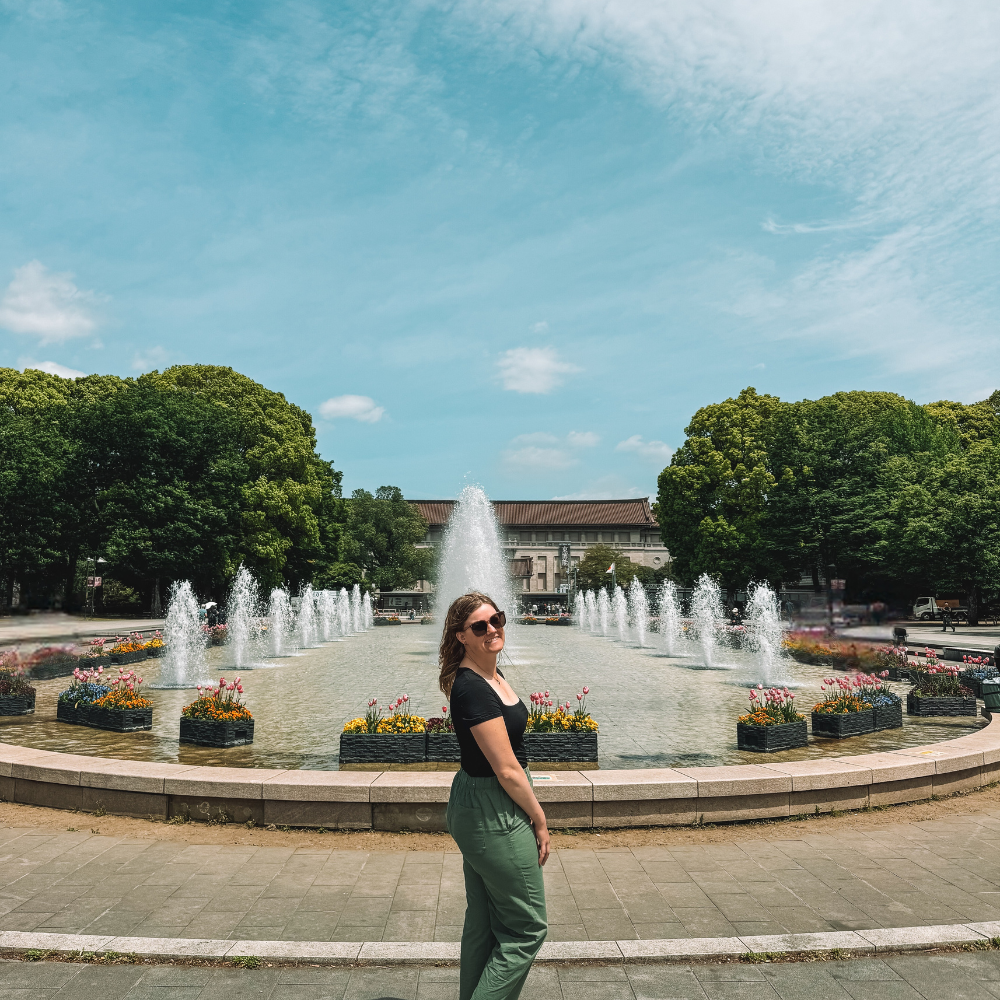
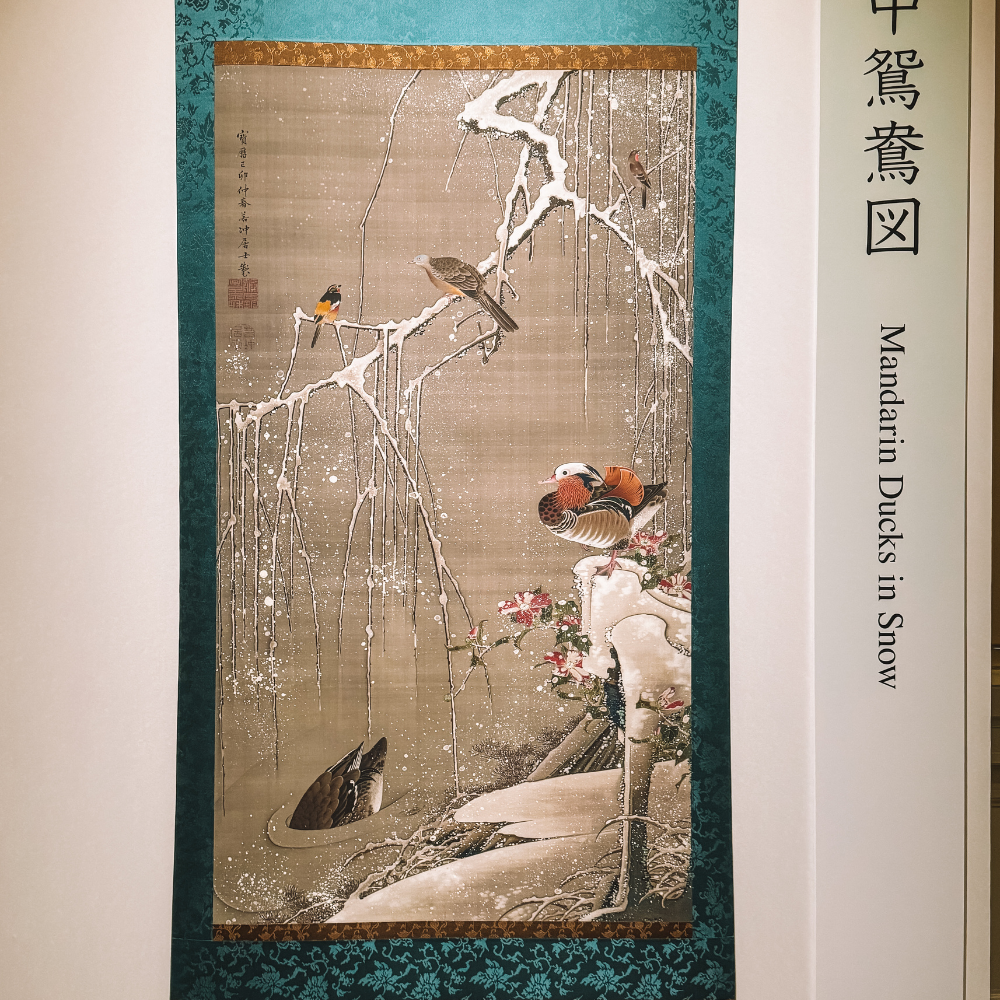
An art museum inside Ueno Park with a focus on ancient and medieval Japanese art and Asian art along the Silk Road. It’s also Japan’s oldest and largest national art museum. The facility consists of four main buildings: Honkan, which houses the Japanese Gallery; the Heiseikan and Hyokeikan, which host special exhibitions; and the Toyokan, which houses the Asian Gallery. Additionally, there’s the Kuroda Memorial Hall, holding a collection of works by Kuroda Seiki, and the Research and Information Center. There are restaurants, shops, and a garden where visitors can enjoy seasonal views.
Each building took me about 30 minutes to an hour to get through at a decent pace. I wouldn’t recommend less than two hours here to get a real appreciation and feel for everything on display.
Asahi Beer Tower
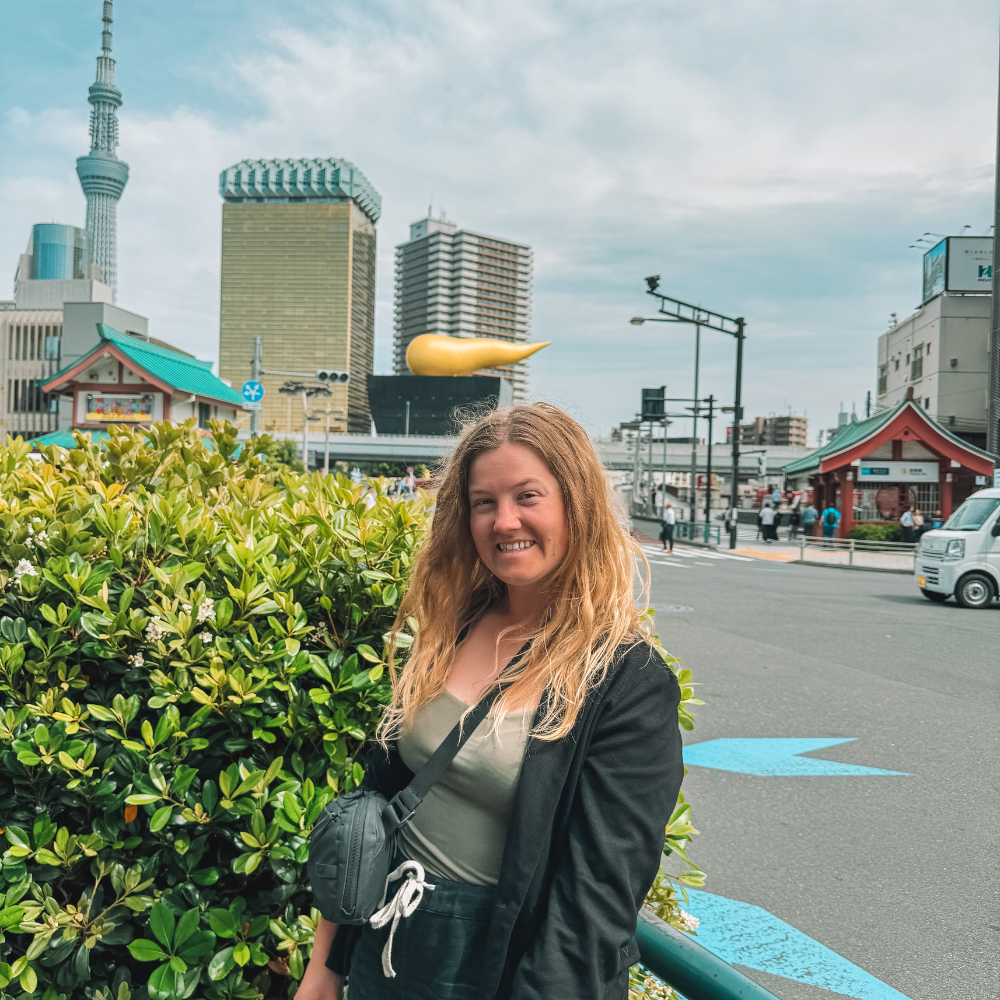
The 22-story headquarters of Asahi Breweries was designed to resemble a glass of beer topped with foam on top! Right beside it is the Asahi Beer Hall, also known as the Super Dry Hall, along with the eye-catching golden sculpture, the Asahi Flame. This is basically a photo stop!
Imperial Palace East Gardens
The East Gardens are the only part of the Tokyo Imperial Palace grounds open to the public, and are located on the historic site of Edo Castle. Entering the gardens is free! However, they’re closed on Mondays and Fridays, as well as on New Year’s and “other special court events”. Because, remember, Japan still has an Emperor and an imperial family. There is minor security for bag checks.
The area is lovely overall, and you’ll definitely get your steps in. You can follow the paths through to see different buildings and monuments, but I also found maps pretty helpful if I wanted to walk to something specific.
There are rest areas, gift shops, and vending machines located throughout the gardens. You need to exit back through the entrance, so keep that in mind if you get a bit far and start to get tired. I spent just over two hours here. Best I could do since I couldn’t get a ticket for a tour of the palace.
Tokyo Tower
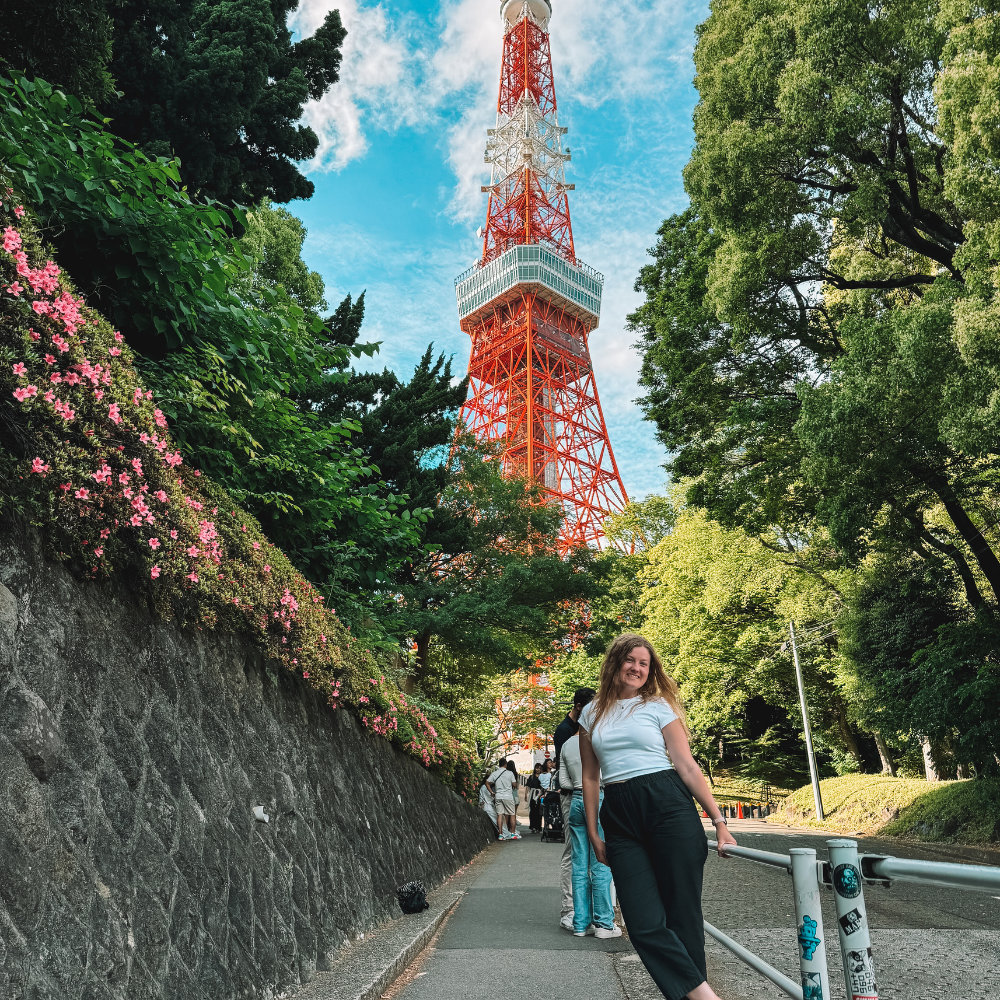
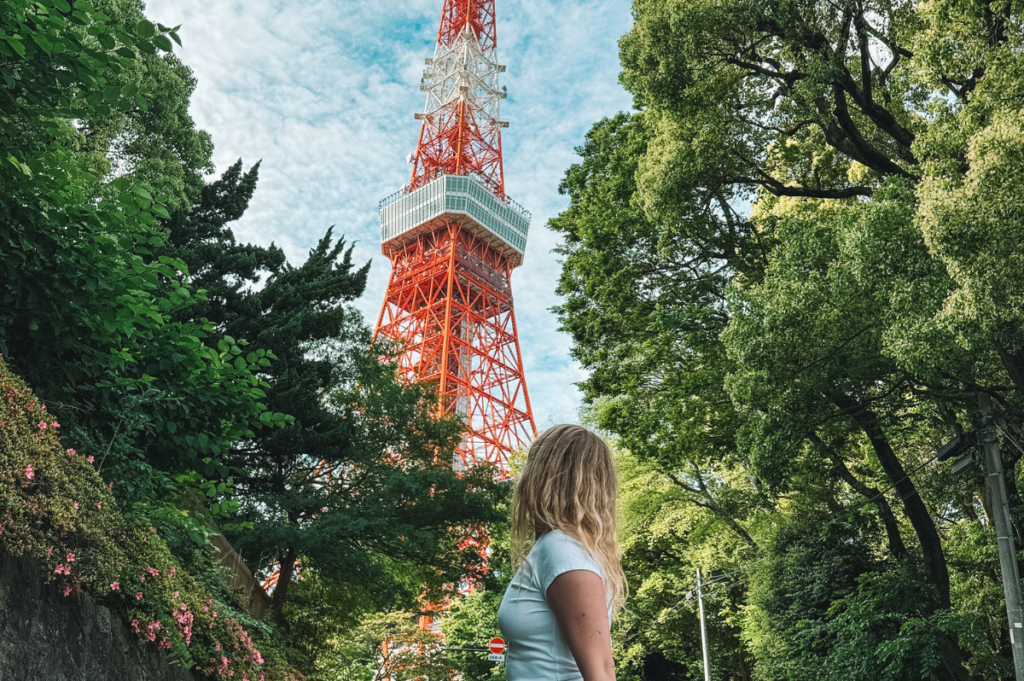
She’s more beautiful than the Eiffel Tower in Paris, and I’m willing to die on that hill. Officially called the Japan Radio Tower, it was completed in 1958 and stands at 332.9 meters (1,092 feet). It held the title of Tokyo’s tallest structure until the Skytree was built in 2012.
You can actually go into the base of the tower for free. There’s a pop-up shop area (it was Marvel during my visit), gaming areas, and you can even visit the restaurants on the upper floor. If you’d like to go to the observation decks, there are three options to pick from: Main Deck (150 m), Top Deck Tour (Main Deck + 250 m), and Tokyo Diamond Tour (All + more perks). You should buy your tickets online as there’s a slight discount!
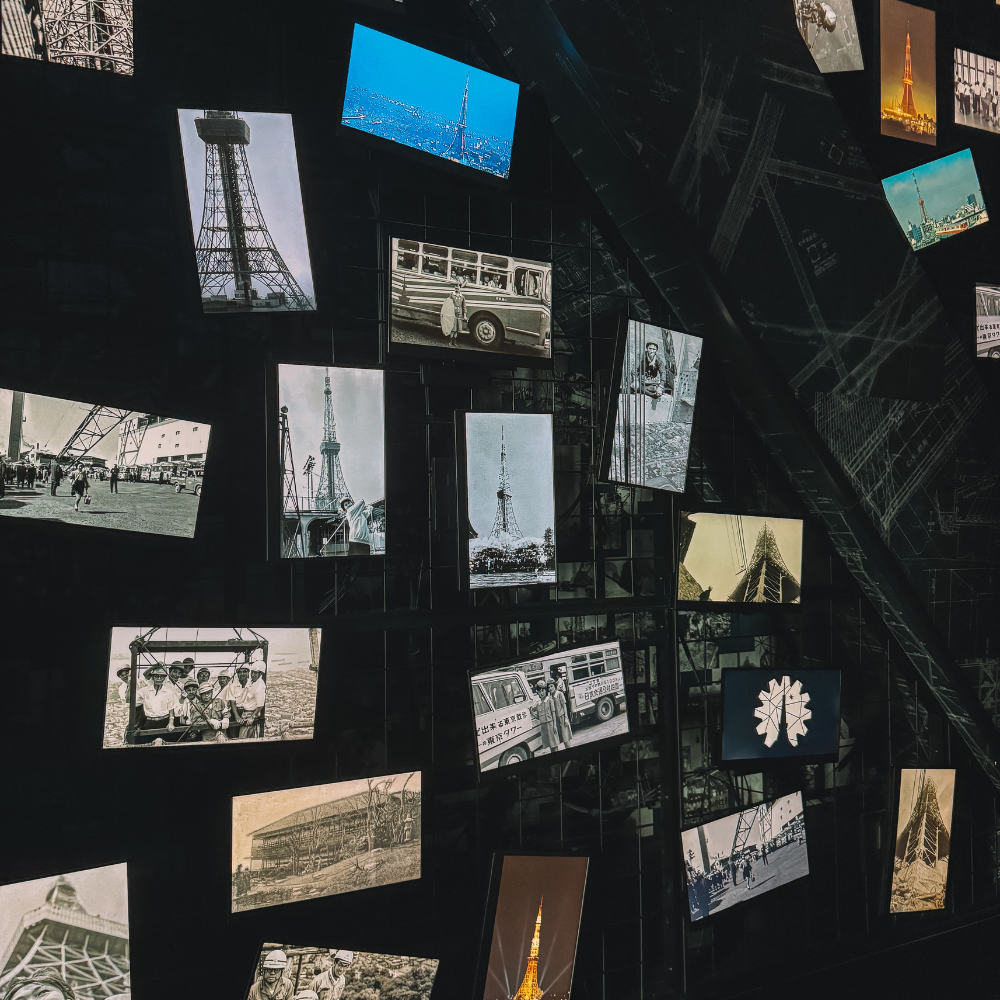
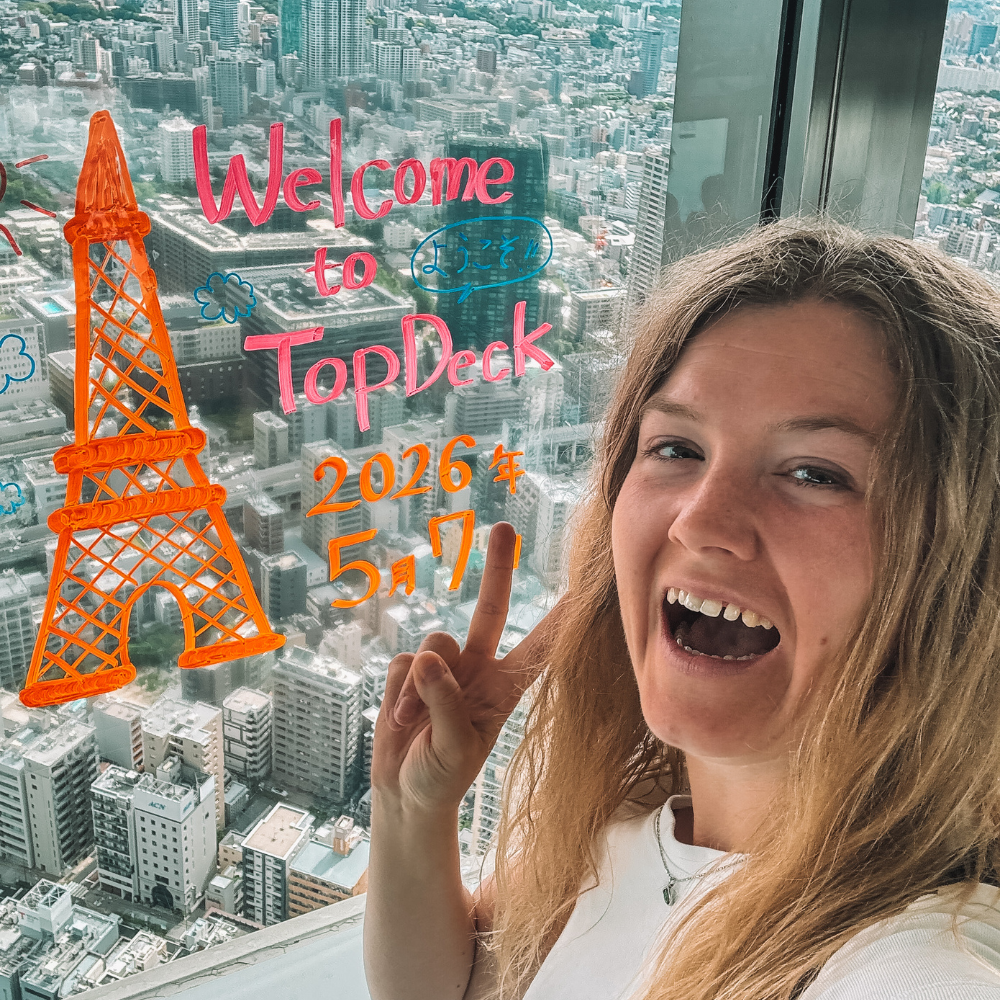
I went with the Top Deck Tour, which cost ¥3,300 ($21.29 as of May 2026). You’ll need to enter the top deck within 15 minutes of the starting time of your ticket, but you can go to the main deck before that. So, about 2 pm, I went to the main deck. My top deck tour was at 2:15 pm, and I got in line at the start time. If you do go with this option (which you absolutely should), you’ll be led into a room, then into a smaller one, which tells you a quick story about the tour before going up in the elevator. On the next floor, you get a free souvenir photo taken and a welcome drink! You can pick a soft drink or red or wine wine! On the next elevator, you finally get to the top!
Once you reach the top deck, the views are absolutely phenomenal. Walk around the entire space once or twice, then start working your way down. You’ll visit new decks with walkways, where you can look straight down to the ground! There are tons and tons of shops, and don’t forget to pick up your free photo by the main gift shop!
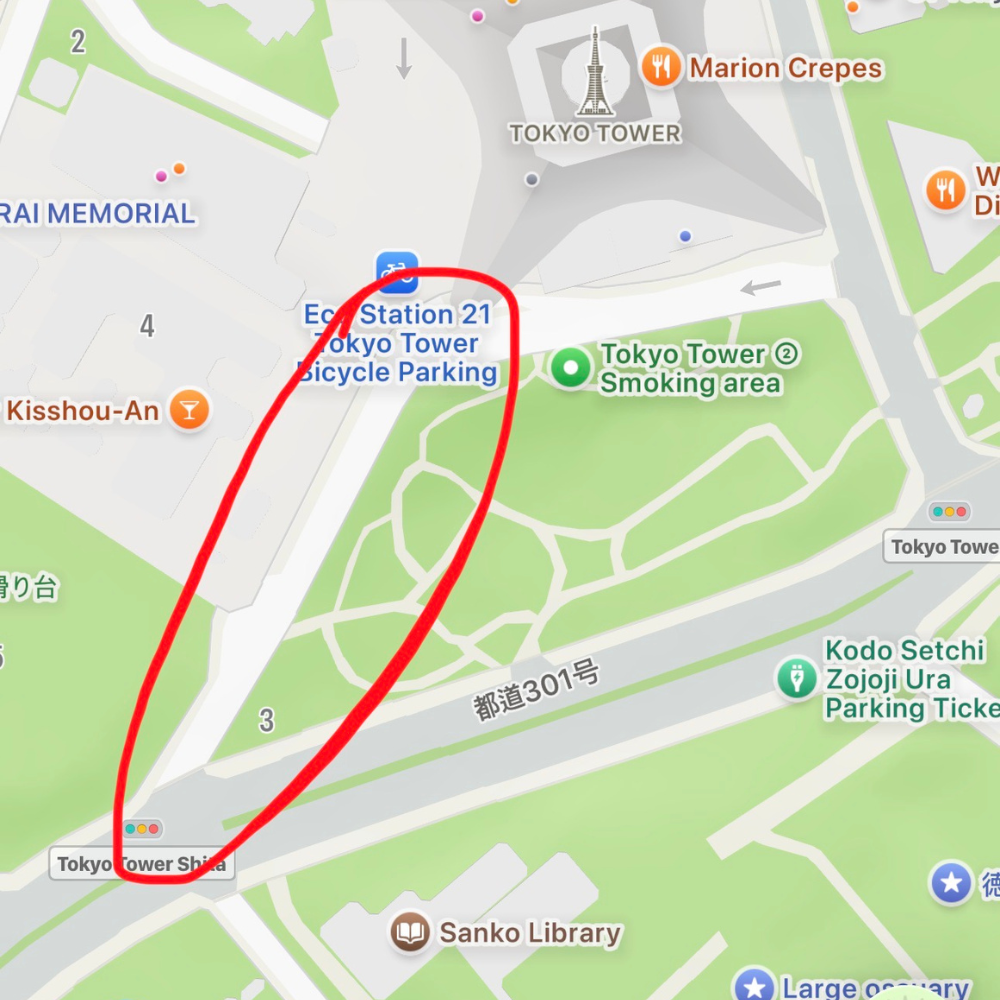
Incredible experience! For a decent picture in front of the tower, you’ll want to go down towards the main street. There’s a road with bushes and flowers, and on the other side, a park with toilets. Sadly, there’s no name for this road on the map, but it’s not too far from the tower.
Shiba Park
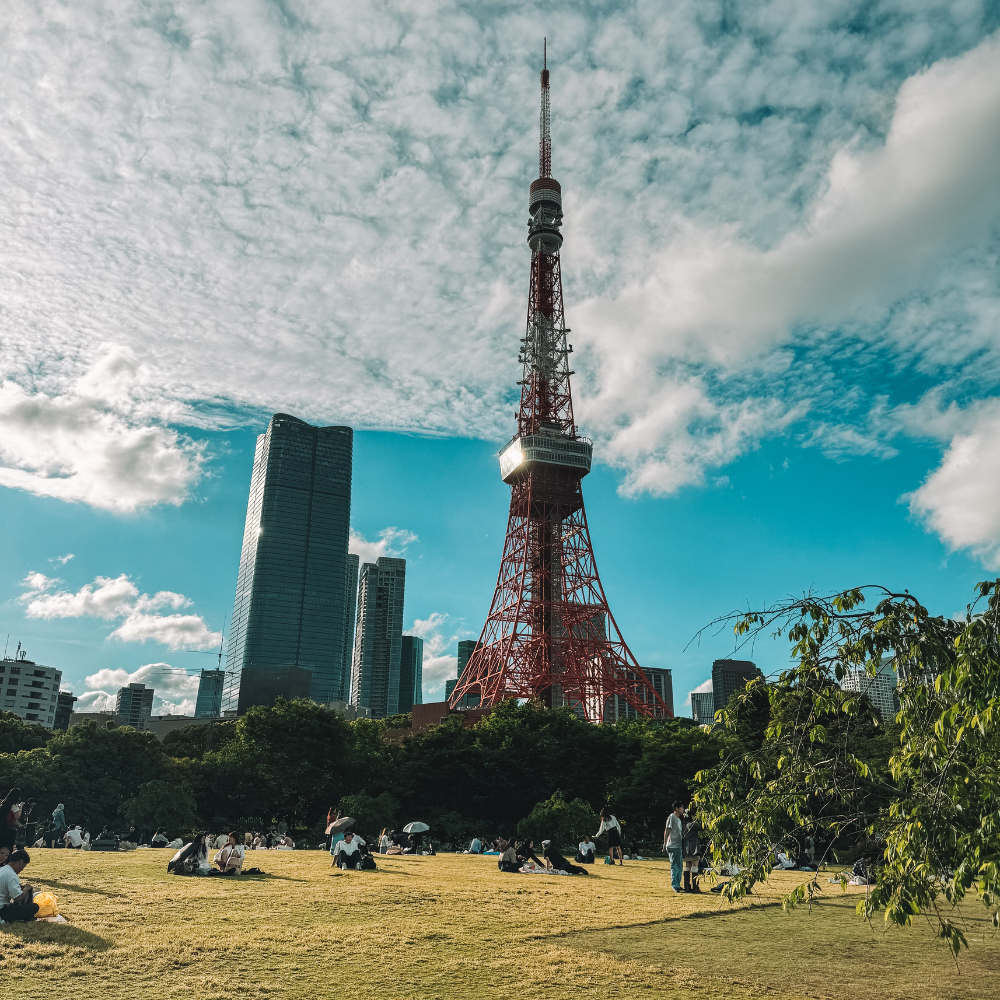
Shiba Park is one of Japan’s oldest public parks, opening in 1873 in Tokyo’s Minato area. Located between Tokyo Tower and Zojo-ji Temple, the park covers a large area and is a popular place to relax while enjoying views of the tower, especially during cherry blossom season in spring and the colorful autumn leaves in November.
I walked through after my tour of the tower on my way to see Zojo-ji temple, and there were tons of people sitting out, enjoying picnics. It was really nice!
Zojo-ji Temple
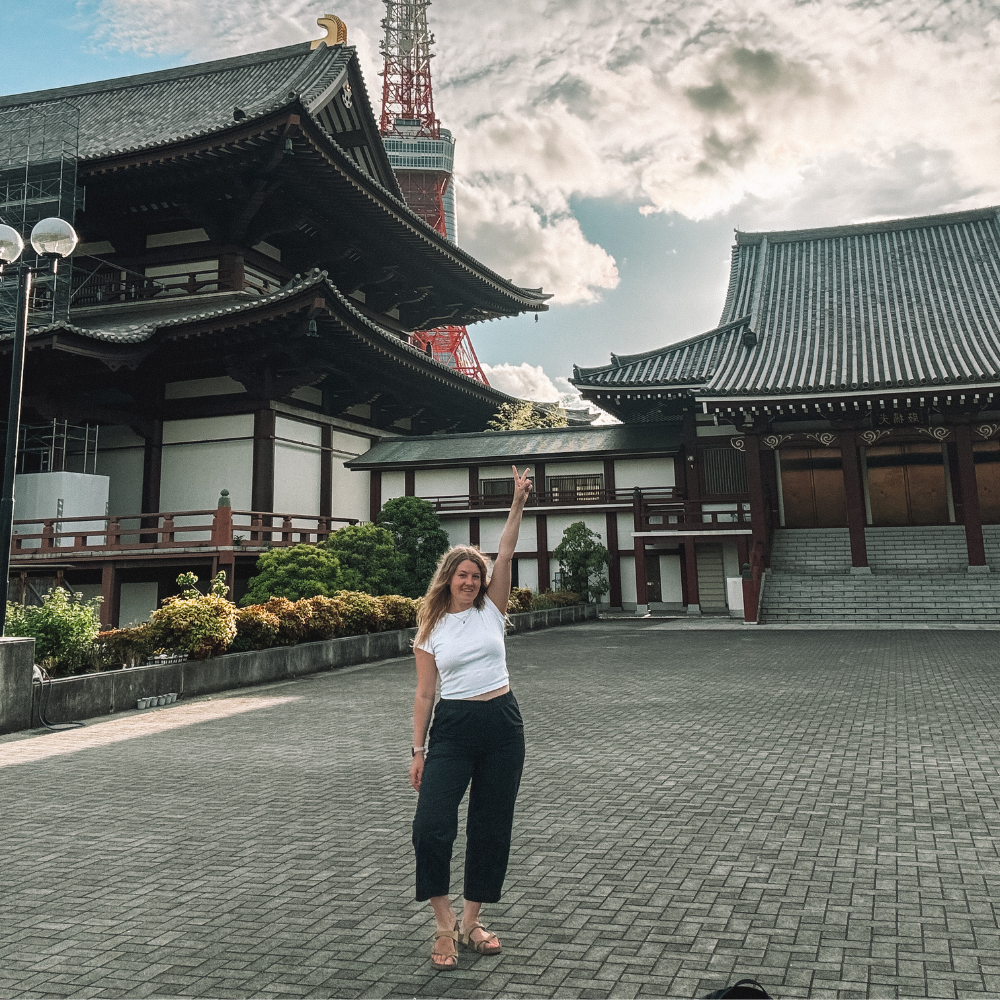
Zojo-ji Temple is a historic Jodo-shu Buddhist temple located near Tokyo Tower and Shiba Park. Originally founded in 1393, it moved to its current location in 1598 by Tokugawa Ieyasu and became the main temple of the Jodo-shu Chinzei sect in the Kanto region, as well as the family temple of the Tokugawa clan.
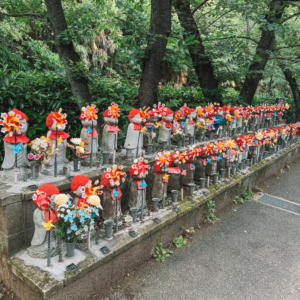
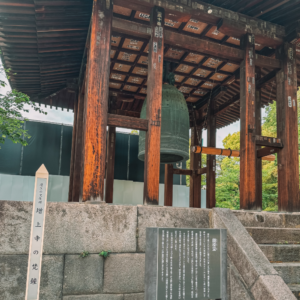
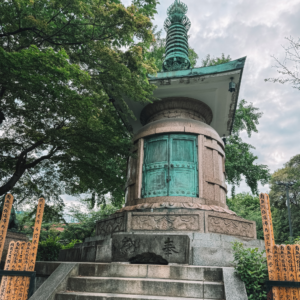
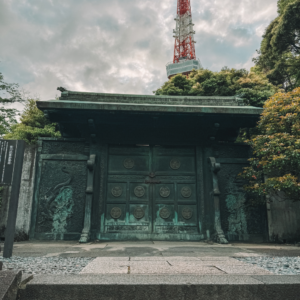
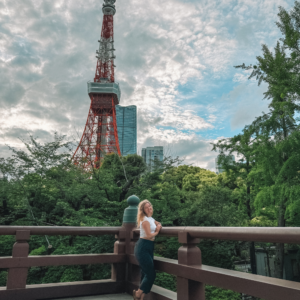
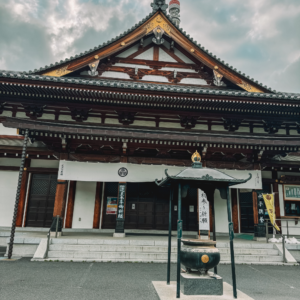
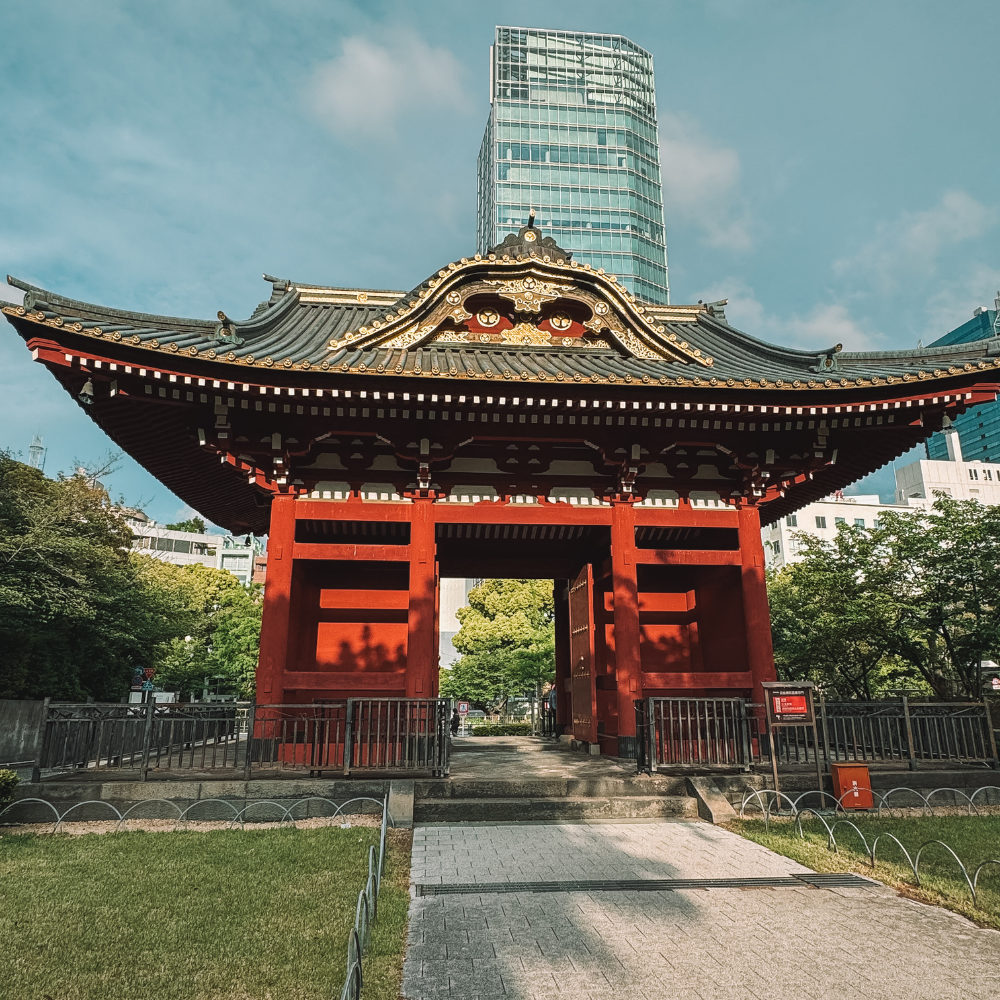
I arrived later in the day, so there weren’t many people around, and the buildings had closed. However, you can still check out: the Bell Tower, Cemetery for Tokugawa Shoguns, Grand Ossuary, Koshoden, and Tokugawa Graveite Bronze Gate.
This is a beautiful spot for evening photos! On the second level of the temple, you can take a cool shot of Tokyo Tower in the background.
Meiji Jingu
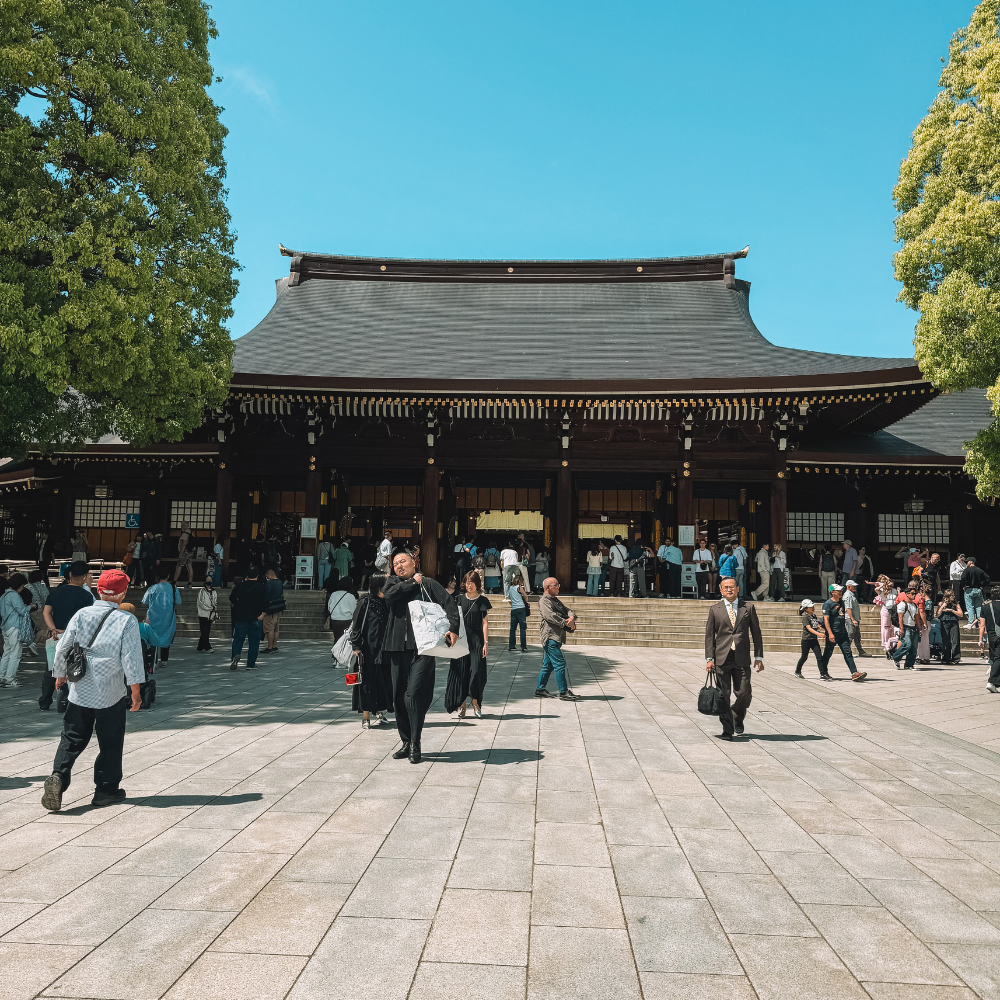
Meiji Shrine is a famous Shinto shrine in Shibuya dedicated to Emperor Meiji and Empress Shoken. Even though it honors them, it’s not where the emperor is actually buried. His tomb is near Kyoto in Fushimi-Momoyama.
The main shrine is deep within the forest-lined park, with many torii gates and gardens (viewable for ¥500). The general grounds are free to roam.
Consecrated Sake Barrels
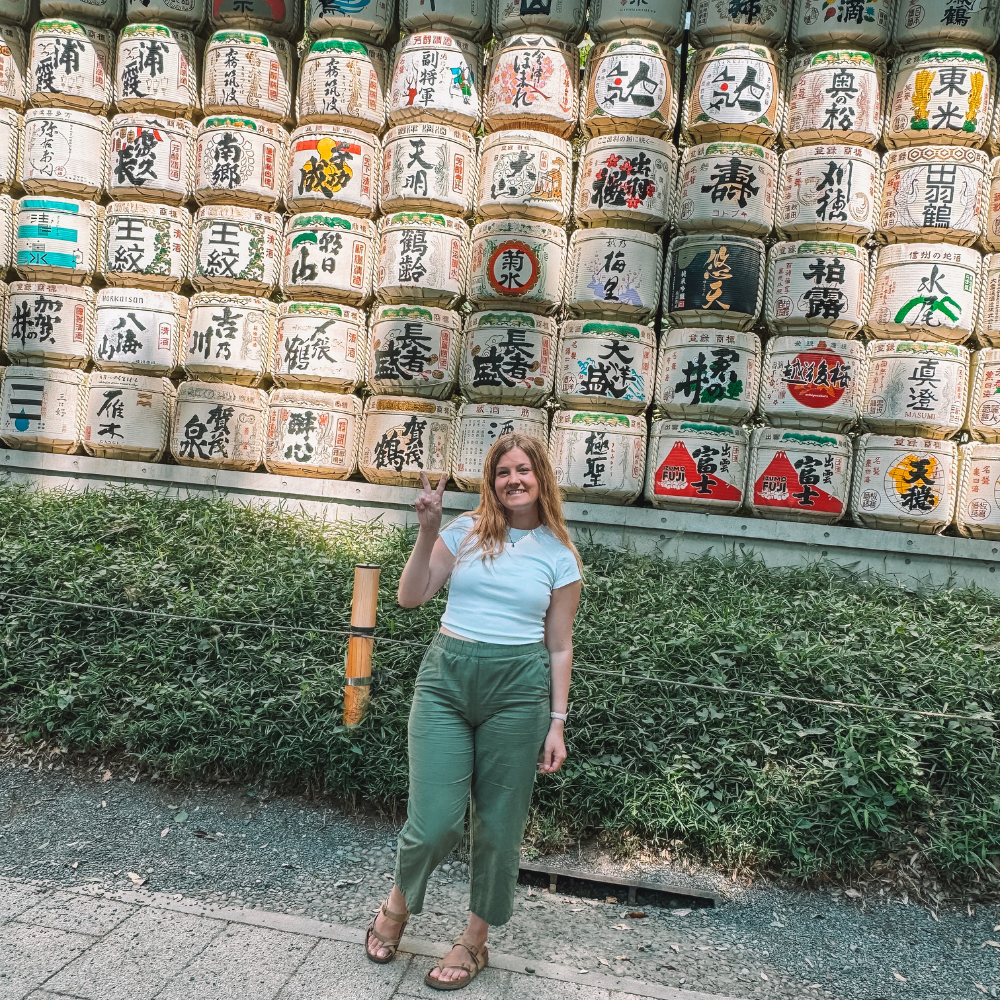
The beautifully decorated sake barrels at Meiji Shrine, called kazaridaru, are empty wooden casks donated each year by sake brewers from all over Japan. They’re in honor of Emperor Meiji and Empress Shoken. Wrapped in traditional straw coverings, they line the shrine’s pathway and represent the connection between the people, the gods, and Japan’s sake culture.
These have some very cool designs, so take a moment to look at them!
Tokyo Character Street
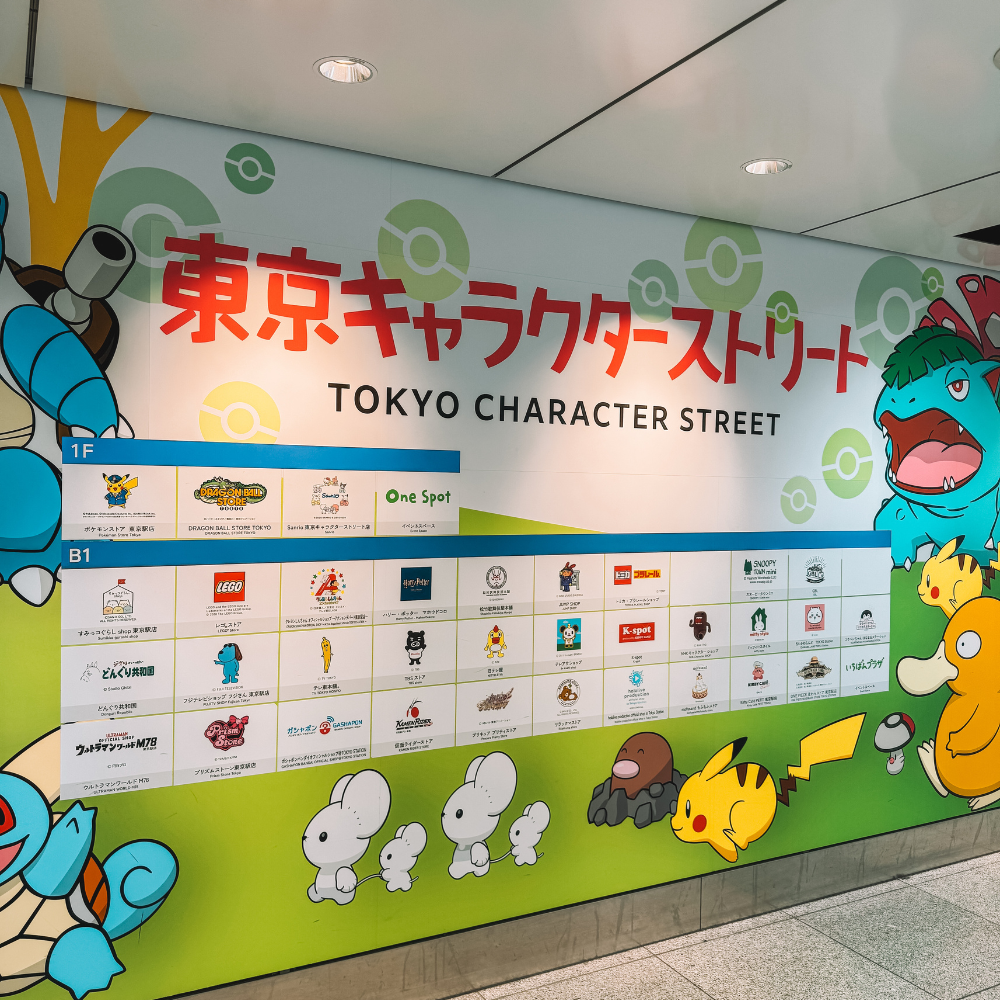
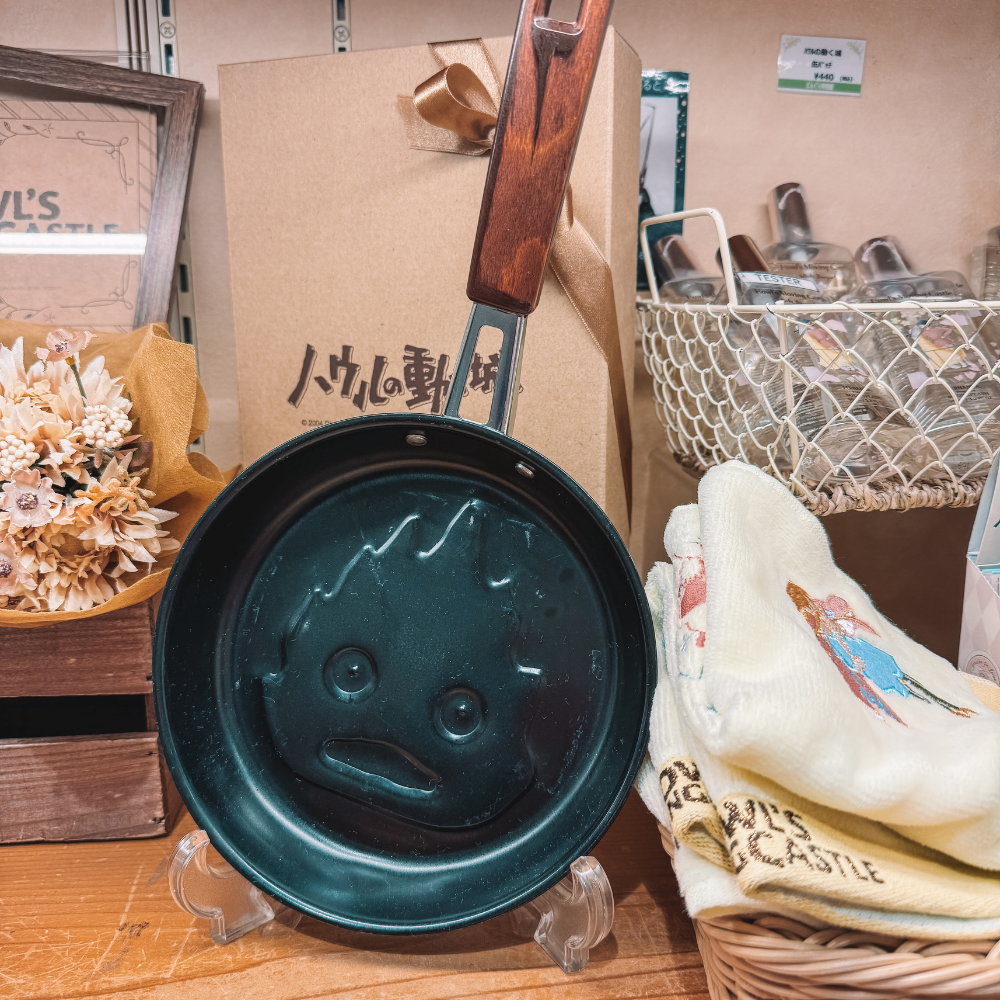
Tokyo Character Street is an underground shopping area located on the B1 level of Tokyo Station Ichibangai near the Yaesu Exit. It’s packed with stores selling merch from popular Japanese anime, manga, and character franchises.
I was originally looking for the Ghibli Store, and it was a real surprise to find multiple aisles and floors inside the station selling goods from popular media. There’s so much to see, and it’s a really cool spot to pick up some fun souvenirs! For my Studio Ghibli buffs, there are two themed stores next to each other selling different items. There’s the main store and GBL, so make sure to check out both.
Shibuya Crossing
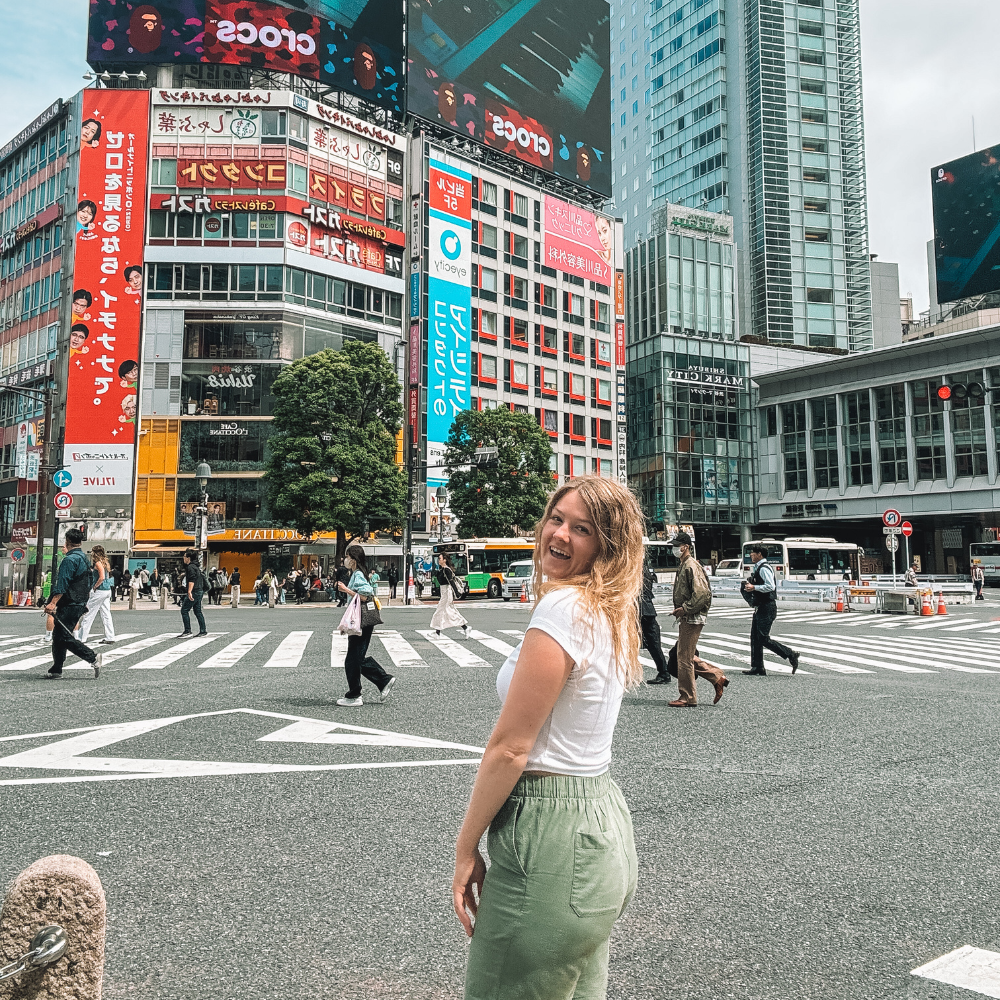
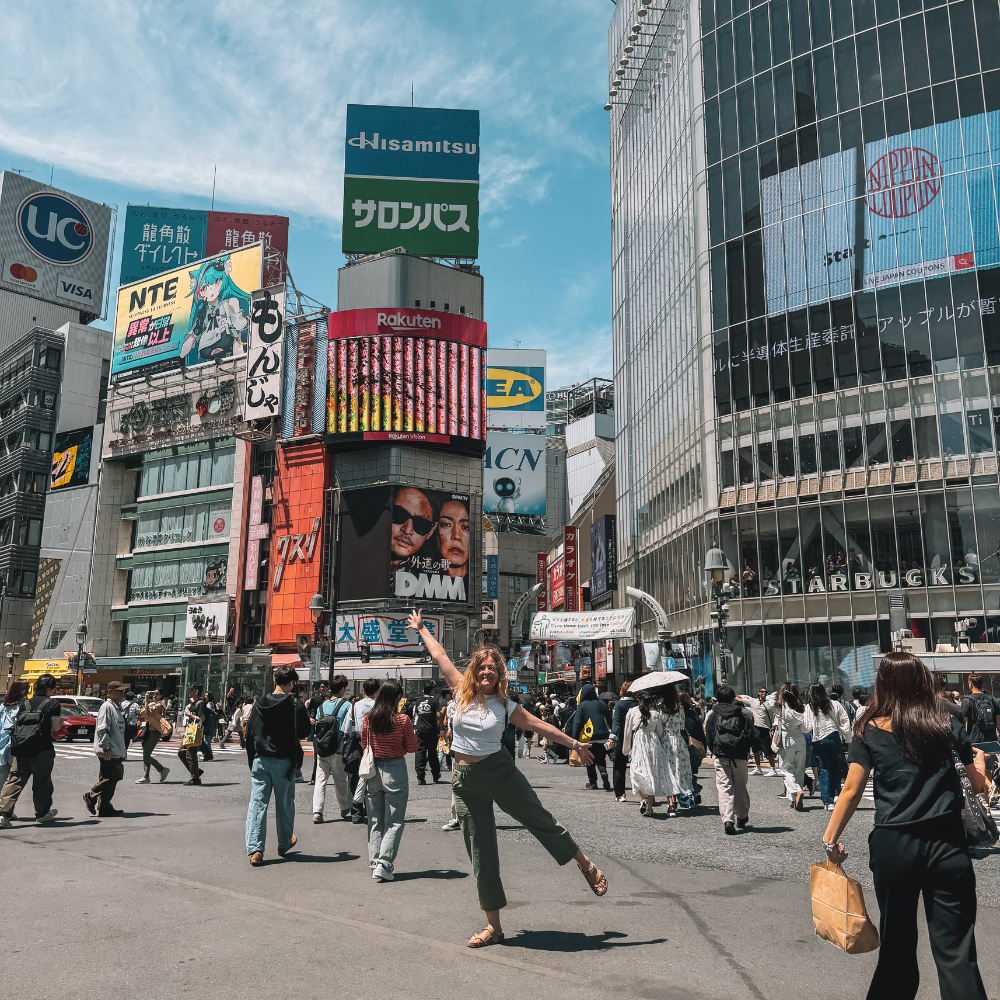
Shibuya Scramble Crossing, often just called Shibuya Crossing, is famous for being one of the busiest pedestrian crossings in the world, with up to 3,000 people crossing at once during a single green light.
This is a major spot for people to visit in Tokyo! I’ll be honest, it’s smaller than I thought it would be. In photos and films, it looks twice the size, but the scramble is very real. I walked across this multiple times and even met a super nice family who agreed to take photos for me so I could get my picture in the middle. Do try not to be a pest when taking photos here, as this is still an active walkway that people use in their daily lives. ENJOY THE SCRAMBLE!!
You can do night and day here. I opted to go in the morning to avoid crowds, get better pictures, and be less in people’s way.
Hachiko Statue
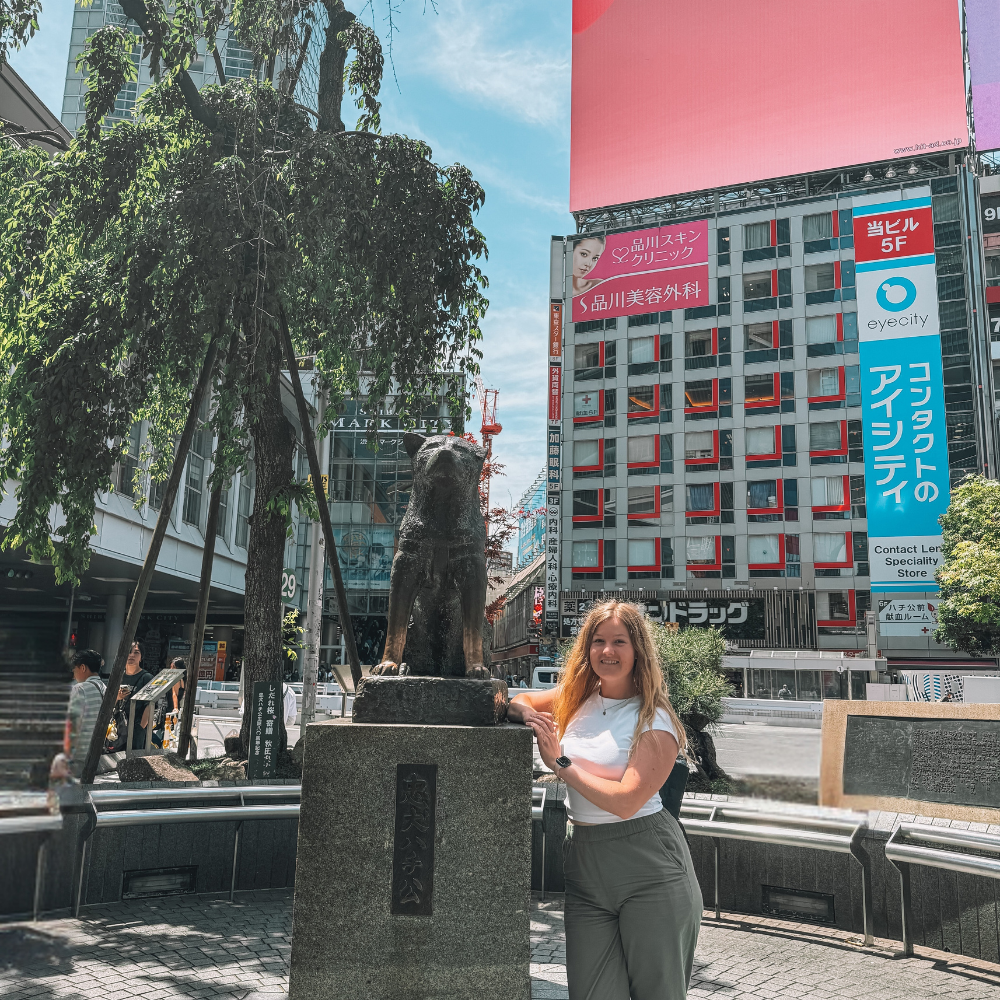
The Hachiko Statue is a famous bronze statue outside Shibuya Station that celebrates Hachiko, the loyal Akita dog who became one of Japan’s most loved symbols of devotion. The statue you see today was created in 1948 after the original was lost during World War II.
Hachiko returned to the station every day to wait for his owner, Professor Hidesaburo Ueno, even after he had passed away. He kept showing up for nearly nine years, and his story is what made him so legendary.
Giant Ghibli Clock (NTV Big Clock)
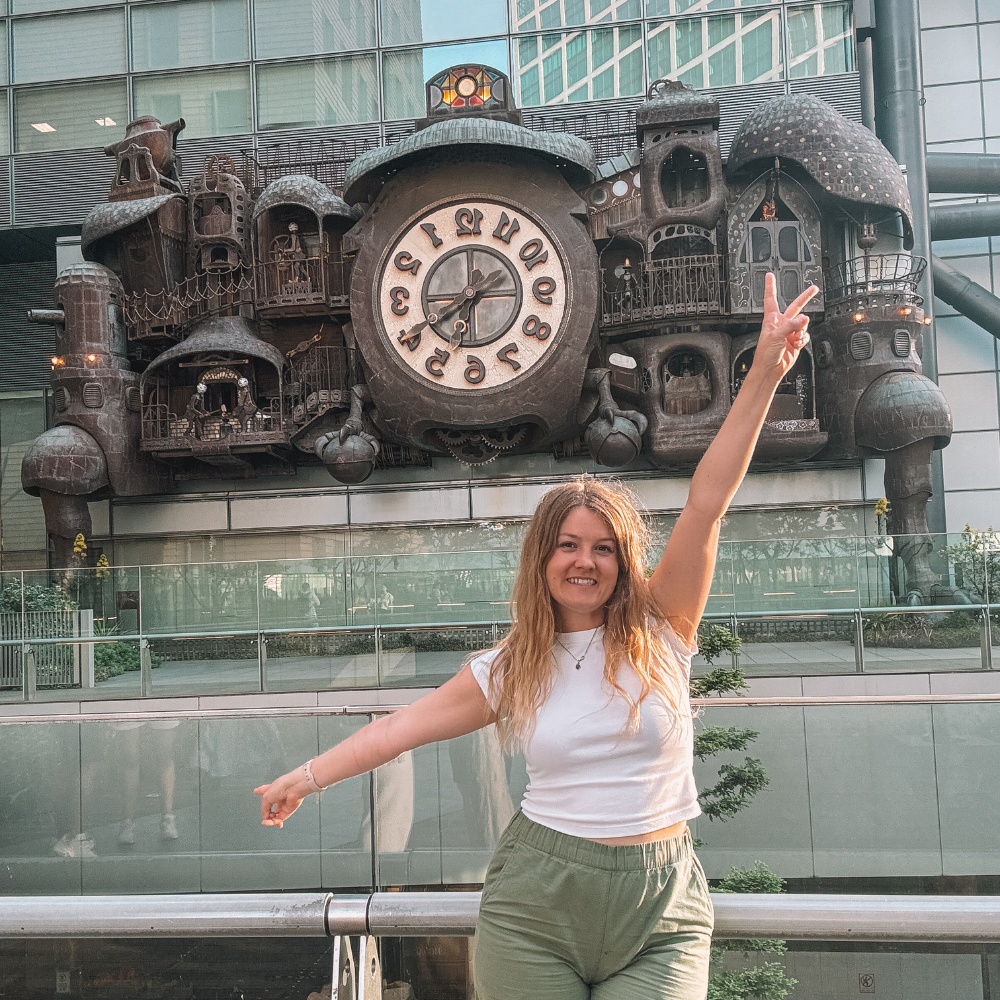
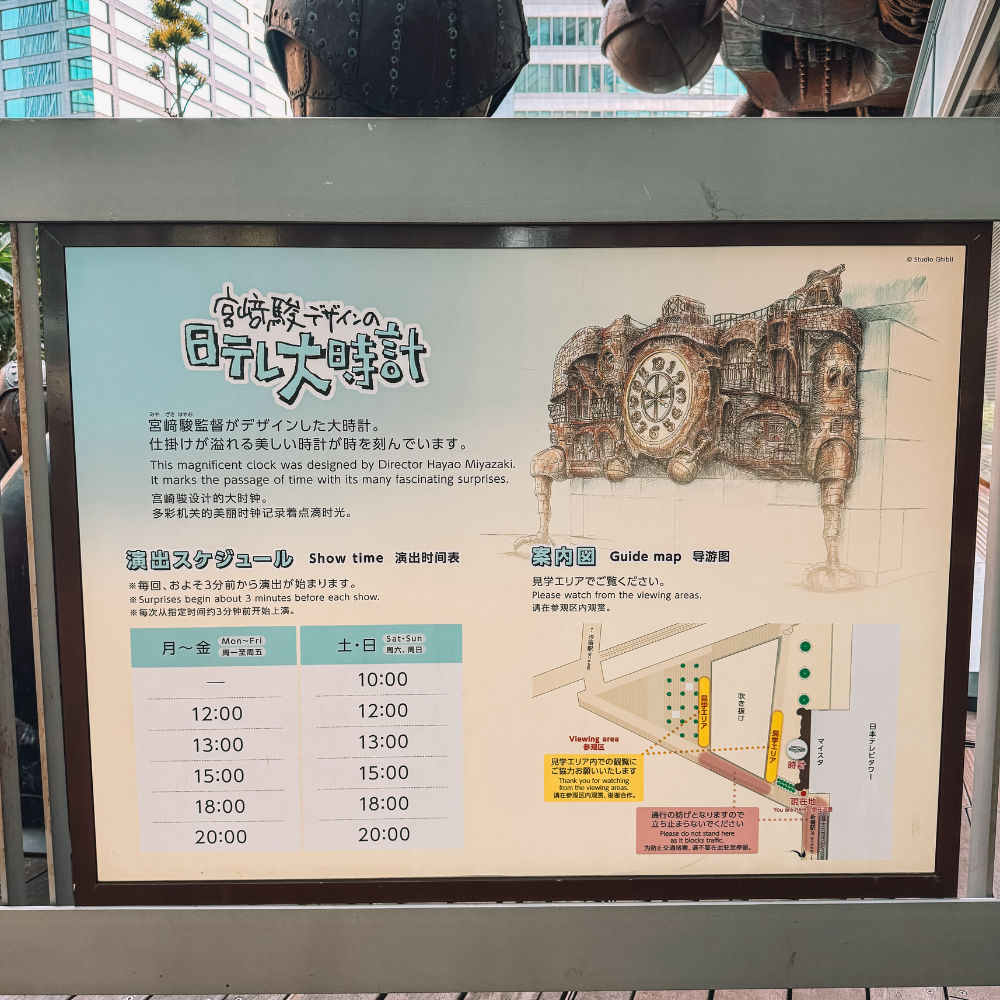
Officially called the Ni-Tele Really Big Clock, it was designed by Hayao Miyazaki, the co-founder of Studio Ghibli. It’s located on the second floor of the Nittele Tower in Tokyo’s Shiodome district, home to Nippon Television. Its steampunk design is similar to the world of Howl’s Moving Castle, even though it wasn’t directly based on the movie.
The clock puts on a show a few times a day. I didn’t discover that until I got there, and the next one was an hour away, so I missed it.
Godzilla Head
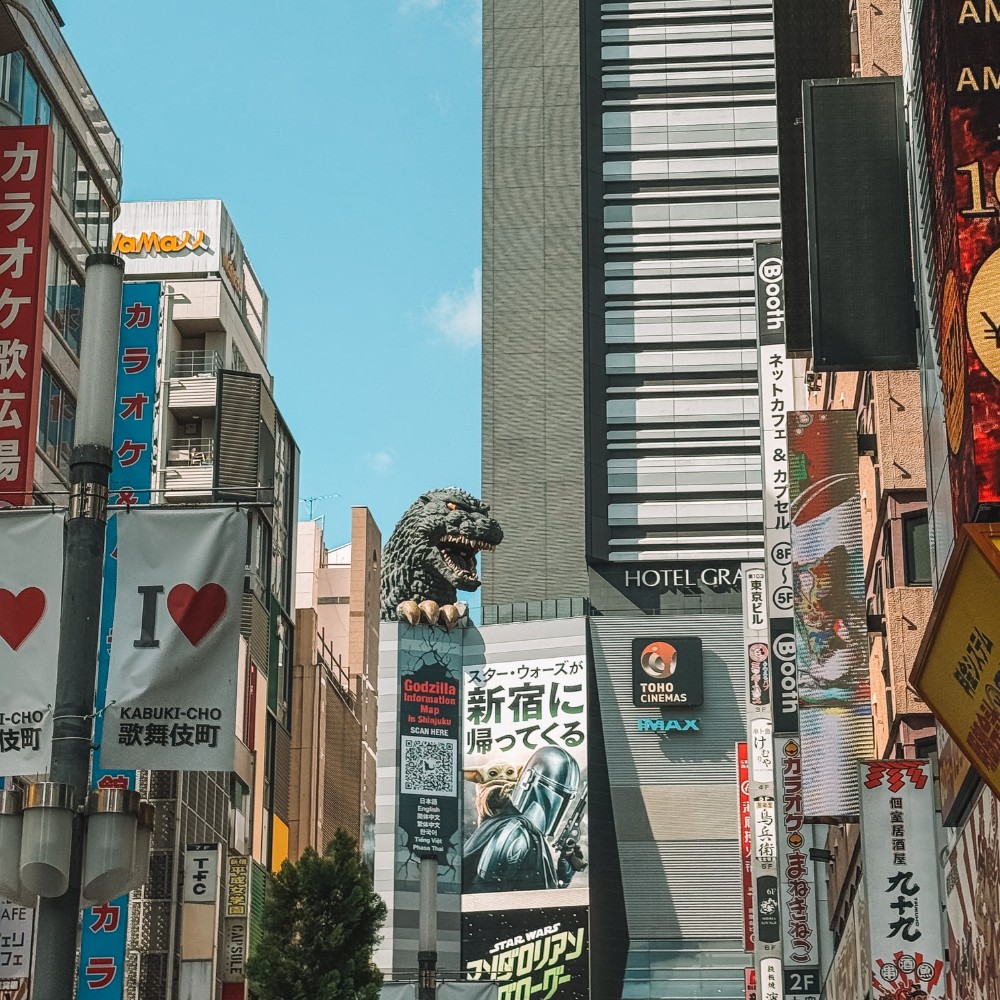
The Godzilla Head is a 12-meter-tall, 80-ton sculpture sitting on the 8th-floor terrace of the Hotel Gracery Shinjuku in Tokyo’s Kabukicho district. Unveiled in 2015, it shows Godzilla as he appeared in Godzilla vs. Mothra (1992) and has become a well-known landmark in the area.
It quite literally peers between the buildings and is a very cool sight from the street! If you’re staying at the hotel, I hear there are more Godzilla-themed things inside.
Cat Board Shinjuku
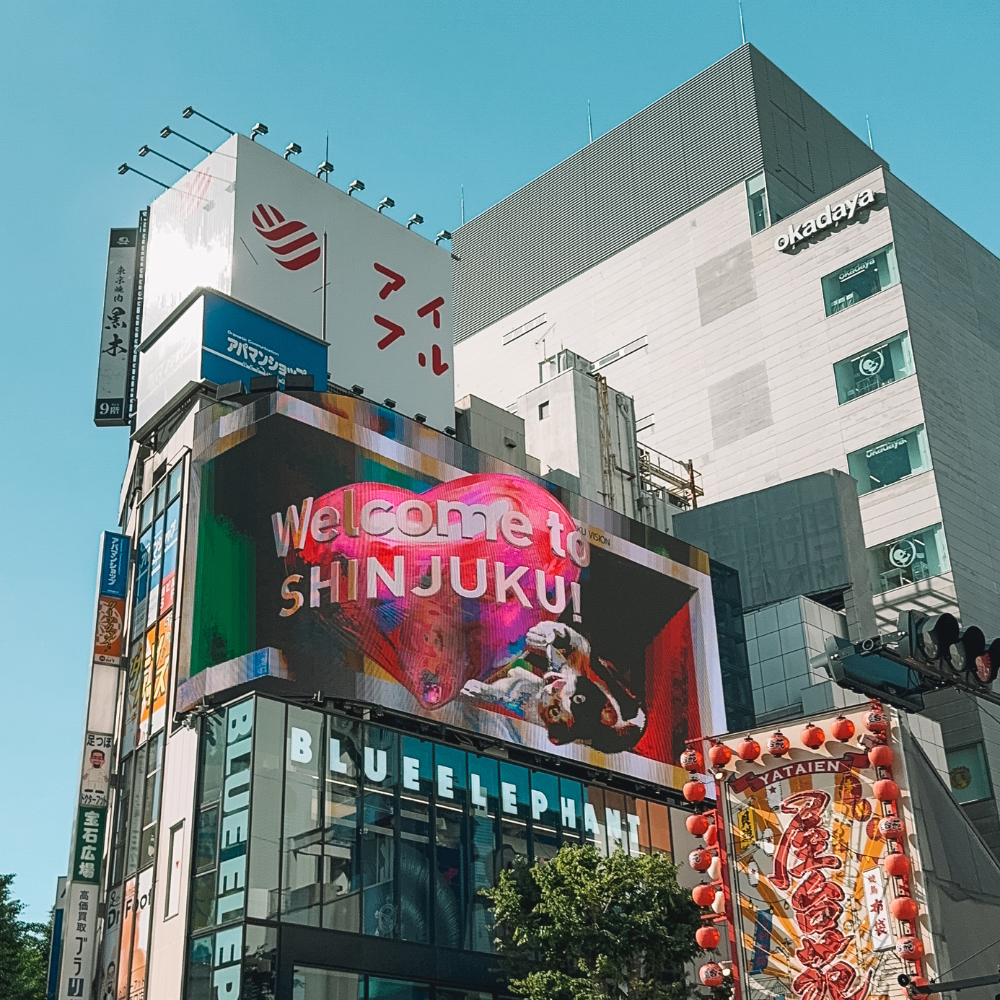
Shinjuku Cat Billboard, officially called Shinjuku Higashiguchi no Neko, is a large 3D digital screen near the East Exit of Shinjuku Station that displays a realistic, animated calico cat. Located in the Cross Shinjuku Vision building, the curved 4K display uses 3D illusion technology to make the cat appear to stretch, jump, and interact with people on the street below.
The cat appears throughout the day in short clips between ads, and the best view is from the crosswalk or sidewalk directly across the street. It’s free to watch, and the screen runs from early morning until about 1:00 AM. The building also has a cat-themed café and shop on the lower floors where you can grab a drink or buy merchandise.
I just watched the screen from across the street for about 15 minutes to see the different animations!
MEGA Don Quijote Shibuya
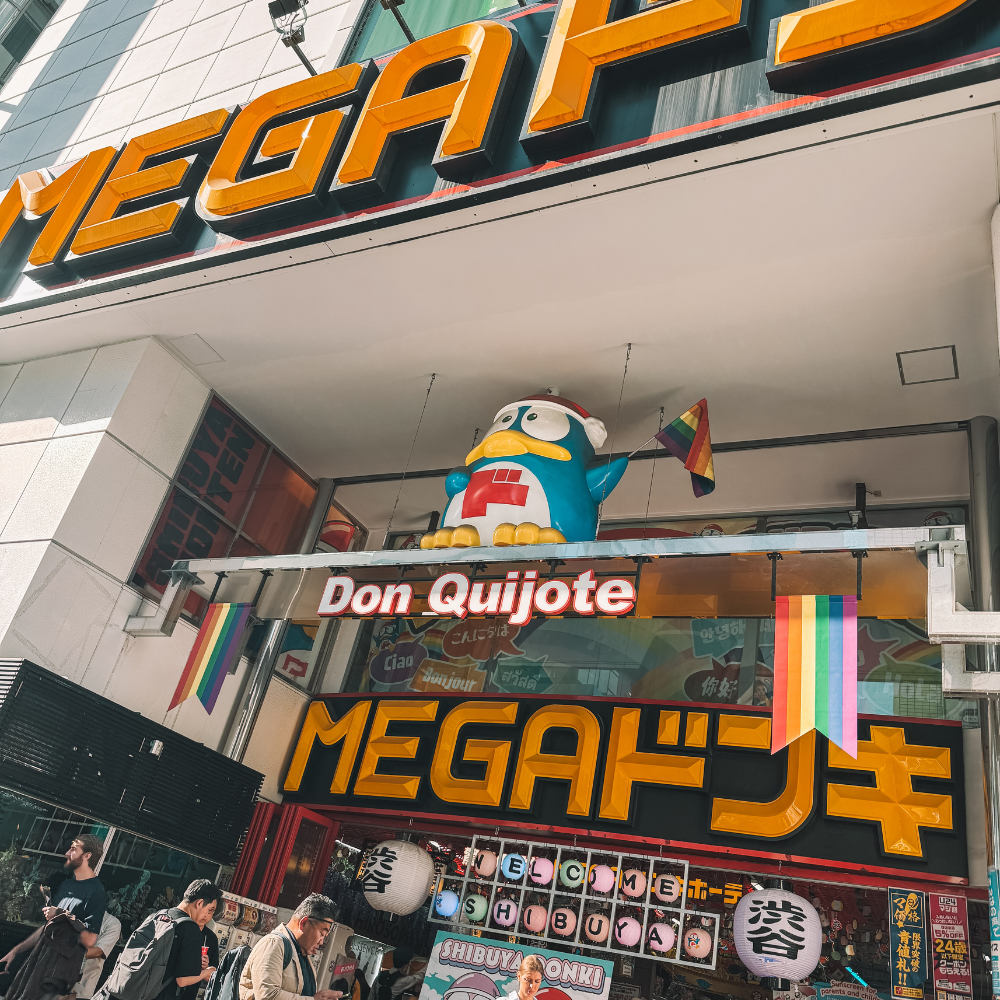
MEGA Don Quijote Shibuya Honten is the flagship Don Quijote store in Shibuya and one of the largest locations in Japan. Open 24 hours a day with no regular closing days, it offers a huge range of products from souvenirs and Japanese beauty items to costumes, electronics, snacks, and more.
This is THE Don Quijote people aim to visit, or say, is overwhelming in Tokyo. It has seven floors of products, with rainbows on the escalators, and music playing, so it’s a nonstop sensory overload if you struggle with colors or sounds. Despite this, they do actually have a nice selection of products. I got a MagSafe phone stand, ITO EN matcha latte powder, and an Australia-to-Japan adapter.
If you spend over ¥5,500, there is a tax-free cashier on the top floor!
Final Thoughts
Tokyo is an insane city. With 15 million residents and 30 million in the greater Tokyo area, it’s the biggest I’ve ever been to. While I was super excited to visit, some places hit me more than others. Shibuya made me feel like I was in a movie. Tokyo Tower nearly brought me to tears. But then Shinjuku felt a bit boring, and the Imperial Palace area was also a bit underwhelming.
So while I truly believe Tokyo is one of the greatest cities in the world and I understand why so many people want to live there, not every district will be your cup of tea, and that’s ok! The train system was absolutely phenomenal, and I think there was only one mediocre meal my entire trip. Tokyo stole my heart, and I cannot wait to go back and explore more! I also think it’s a great base for day trips to appreciate the smaller towns just outside this absolute mecca.