










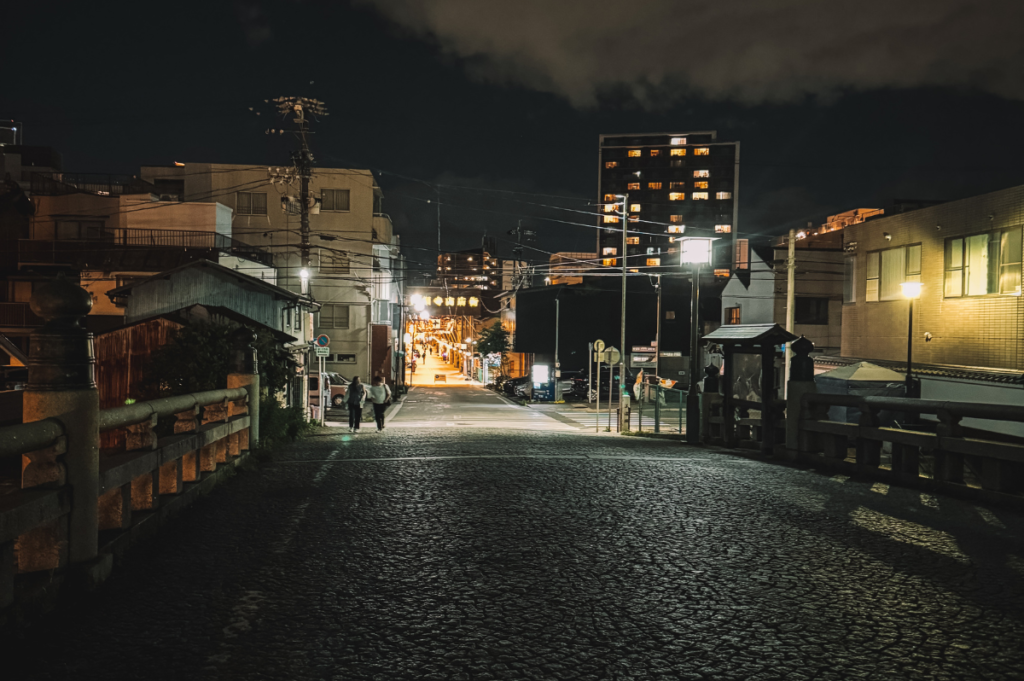
Nagoya is a city that I truly believe is slept on. One of the biggest things I noticed was how few foreign tourists there were compared to other cities I had visited. Though I had little time here, I would absolutely go back! It’s a great city, but not overly crowded, with a ton of character.
A Brief History of Nagoya
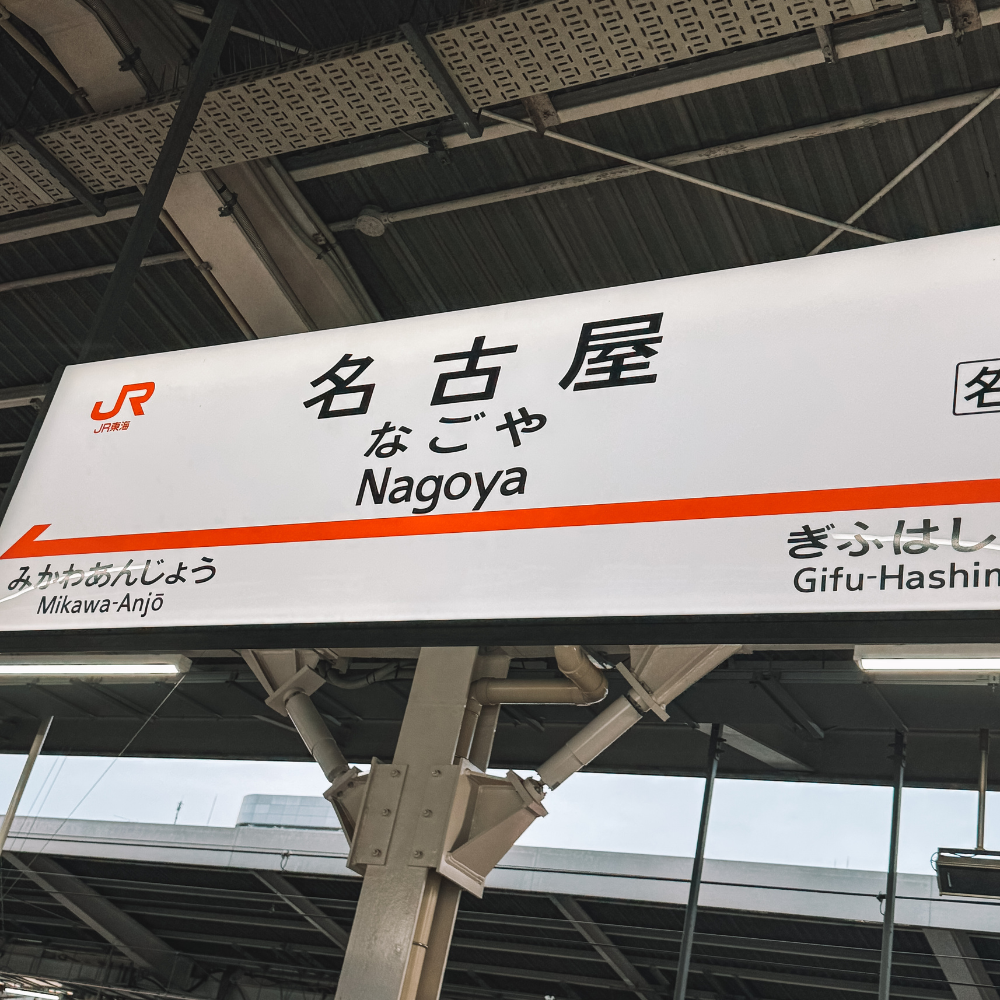
Nagoya grew into an important city in the 1600s when Tokugawa Ieyasu built Nagoya Castle during the Edo period. It became a major hub for trade, culture, and transportation.
After World War II, Nagoya rebuilt itself into one of Japan’s leading industrial cities, especially known for manufacturing and cars. Today, it’s a mix of historic landmarks, modern city life, and famous local food.
Ghibli Park
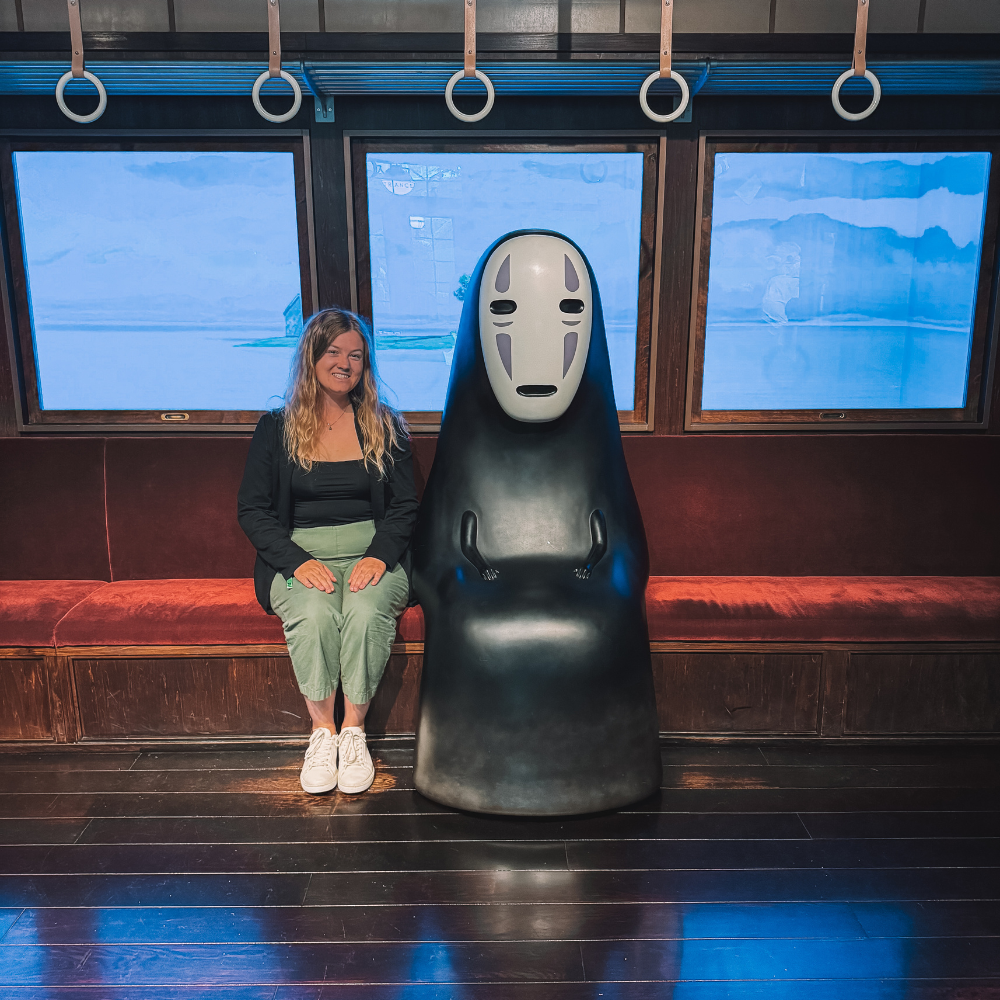
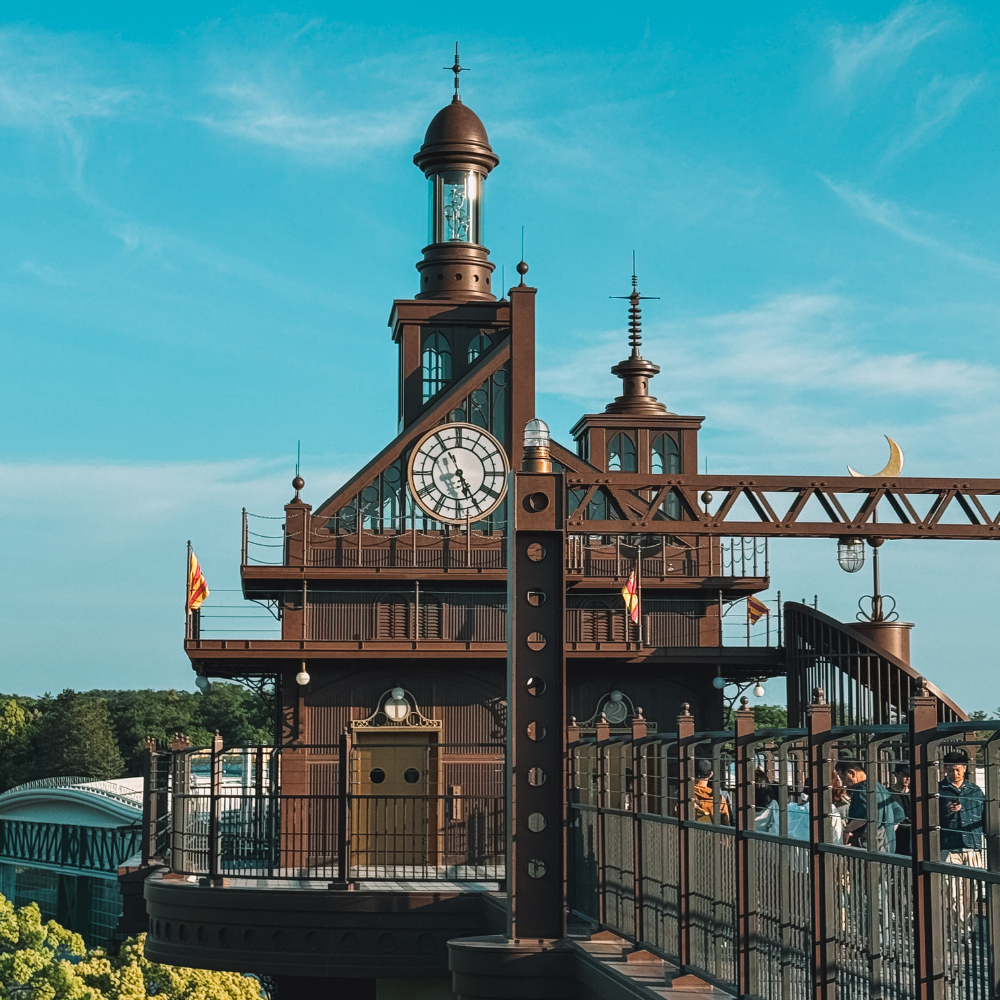
A truly magical theme park based on the characters and world of Studio Ghibli. You can place yourself into the films in interactive exhibits, enter the homes and buildings from the movies, watch exclusive short films, and have all your Ghibli dreams come true. You do need to buy tickets well in advance, and I’d highly recommend getting a premium ticket (which allows you to enter all buildings) for when the park opens at 9 am.
This is the main reason I went to Nagoya.
Related Article
Nagoya Castle
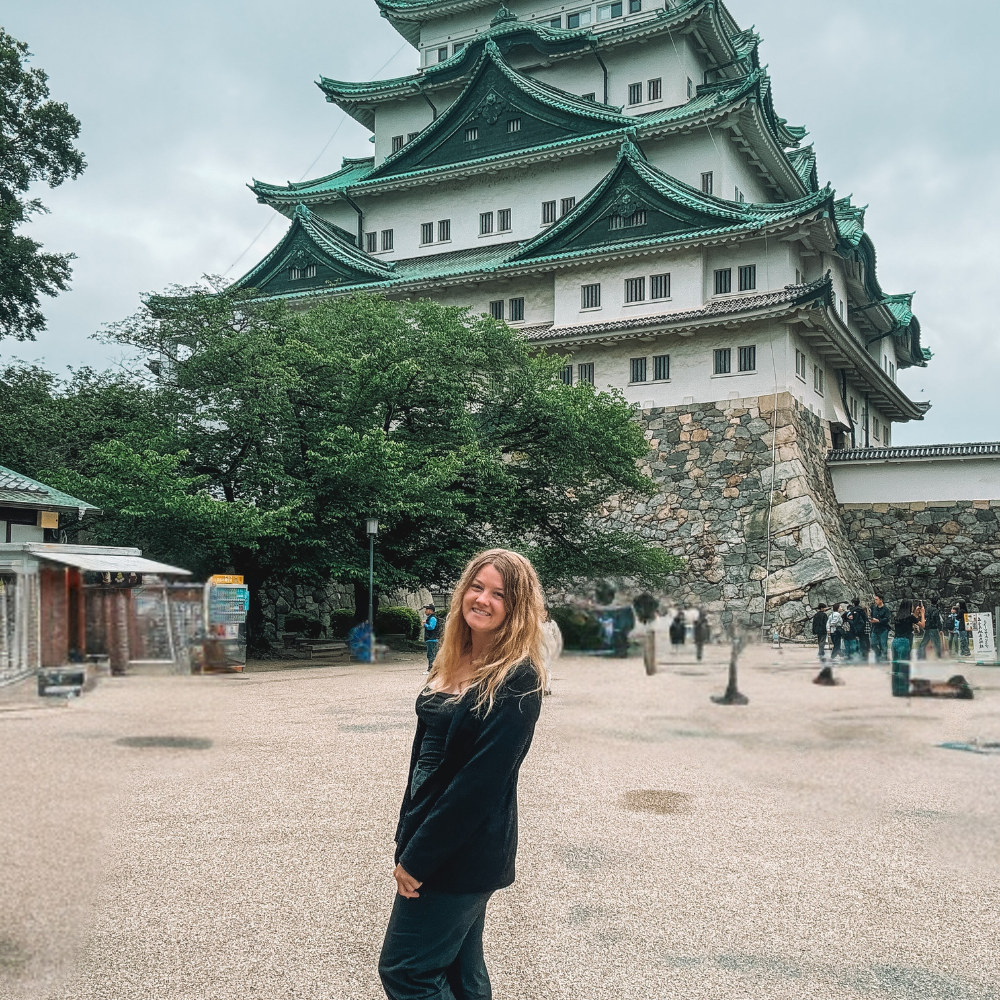
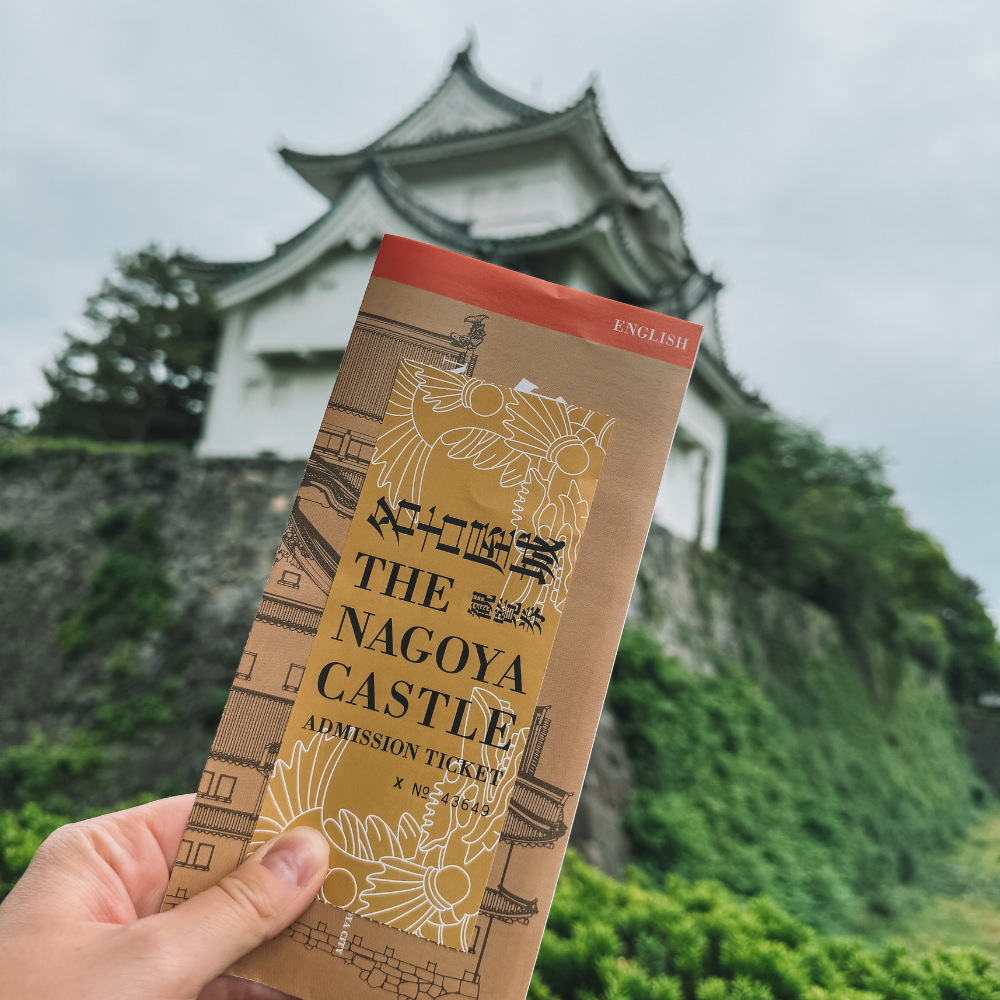
Nagoya Castle was built in 1612 during the Edo period by the Owari Domain. It was constructed on the grounds of an older castle that had once been used by the Oda clan. It became the center of Nagoya-juku, one of Japan’s most important castle towns and a key stop connecting major travel routes like the Tokaido and Nakasendo roads.
The castle was heavily damaged during the World War II bombing of Nagoya in 1945. Restoration work began in 1957 and has continued over the years to preserve the historic landmark.
The main building is, unfortunately, closed to visitors due to structural concerns as of 2018. There are, however, other buildings to see, grounds to walk on, and many vendors selling a variety of treats.
I spent just over two hours here for reference.
Honmaru Palace
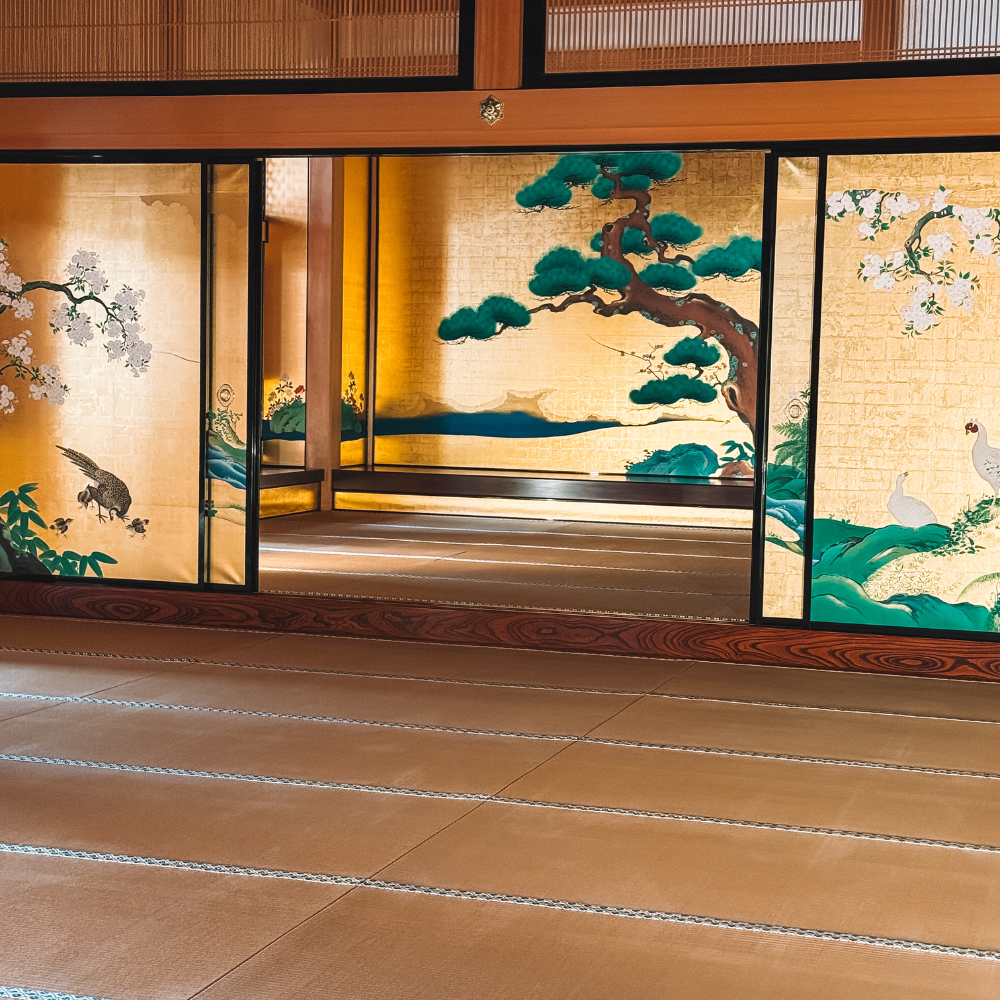
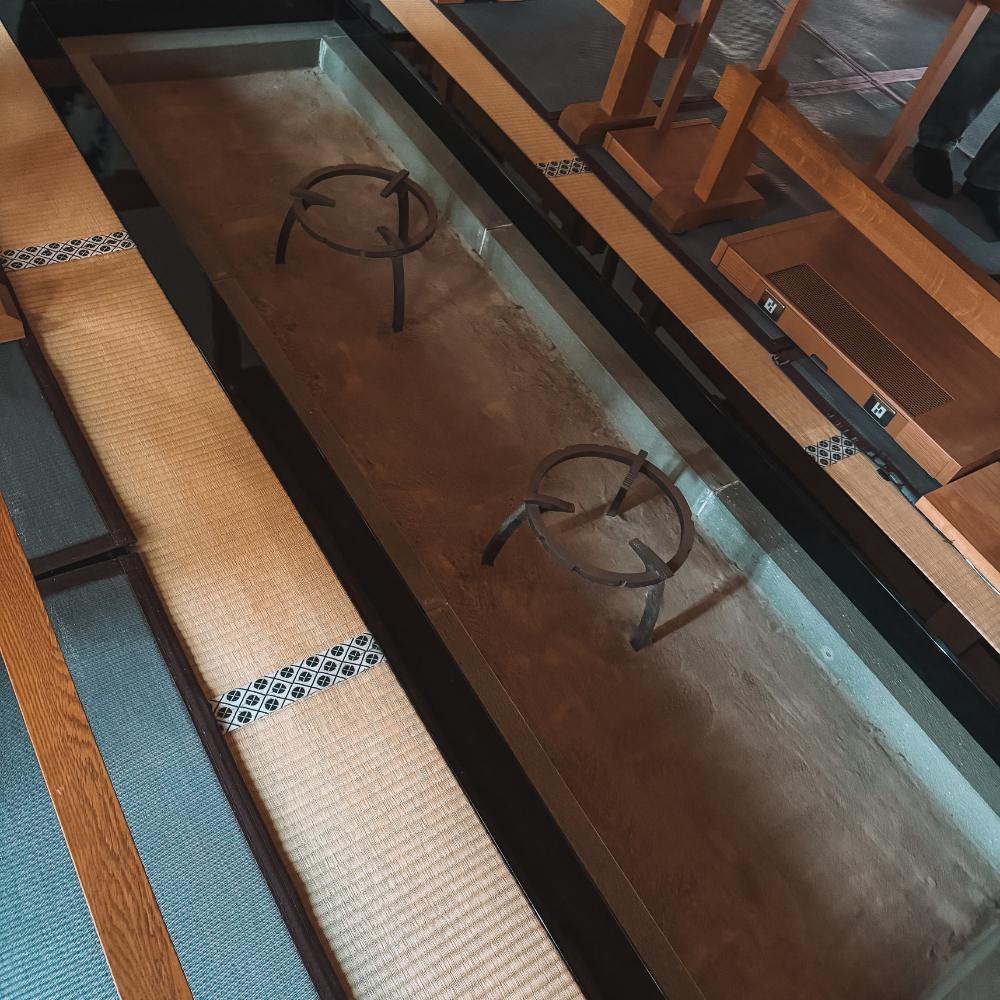
The Honmaru is the main inner section of Nagoya Castle, home to the Owari lords’ palace along with the castle’s two main towers. Surrounded by gates and turrets, it was recognized as a National Treasure before being destroyed in World War II air raids. Carefully rebuilt using traditional building methods and materials, it was opened to visitors in 2018.
There is a designated line to enter this building. You’ll have to watch a video, wear your backpacks on the front (or use free lockers with a ¥100 deposit), and remove your shoes. If you’re not wearing socks, they’ll provide you with slippers, which are cleaned between uses (I literally watched the woman spray and clean them).
It’s about 20-30 minutes to walk through here, and it’s really beautiful!
Nishinomaru Treasure Museum
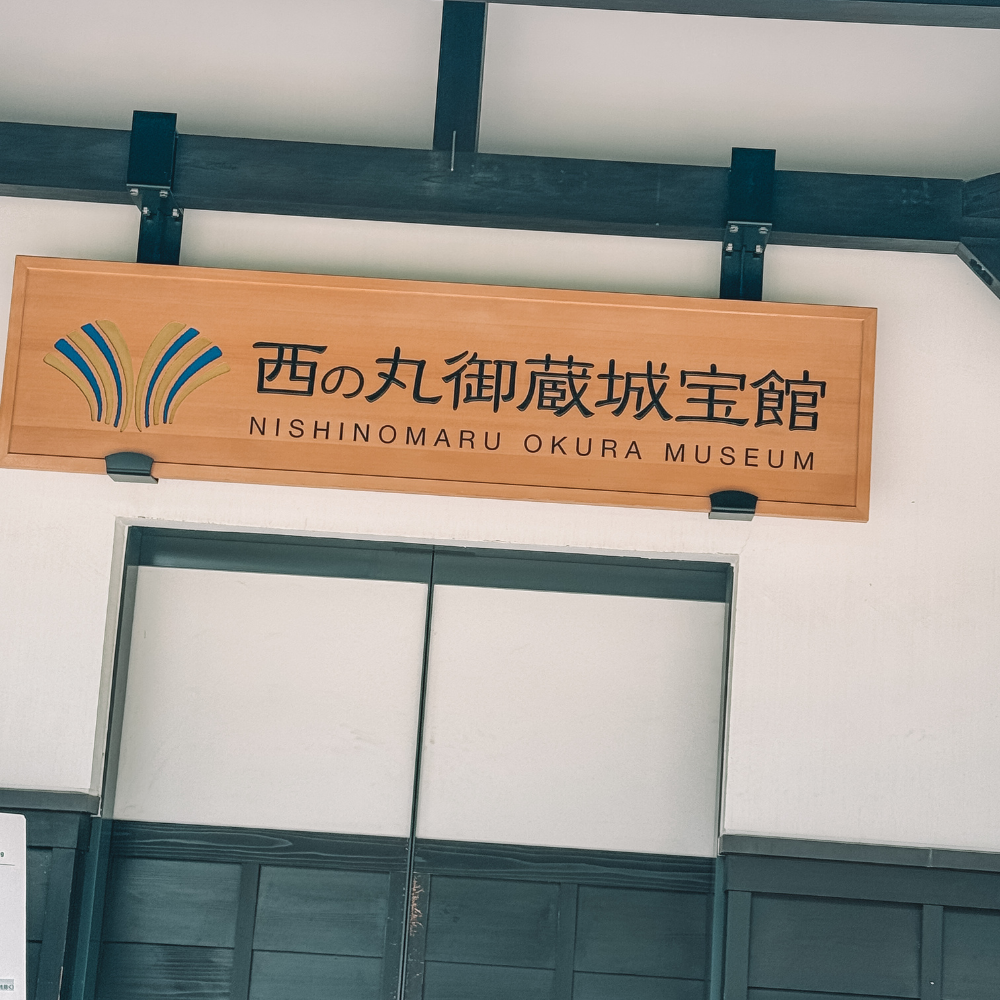
Also called the Nishinomaru Okura Johokan, this facility opened in November 2021 in the Nishinomaru area of Nagoya Castle. It was created to showcase the castle’s historic artifacts and give visitors a closer look at its history and cultural significance.
Most of the museum is in Japanese, but you’ll find a few English names here and there. If you’d like to understand the signs, I’d recommend having a translator app that can decode images.
Ofuke-maru Exhibit Hall
This traditional-style building in the Ofuke-maru area of Nagoya Castle features rotating exhibits focused on local art, crafts, and culture. Folk toys were showcased during my visit. The storehouse is also historically important because it helped protect the Honmaru Palace’s sliding doors and ceiling paintings from destruction during World War II air raids. This exhibit is also almost entirely in Japanese.
Try a Traditional Izakaya
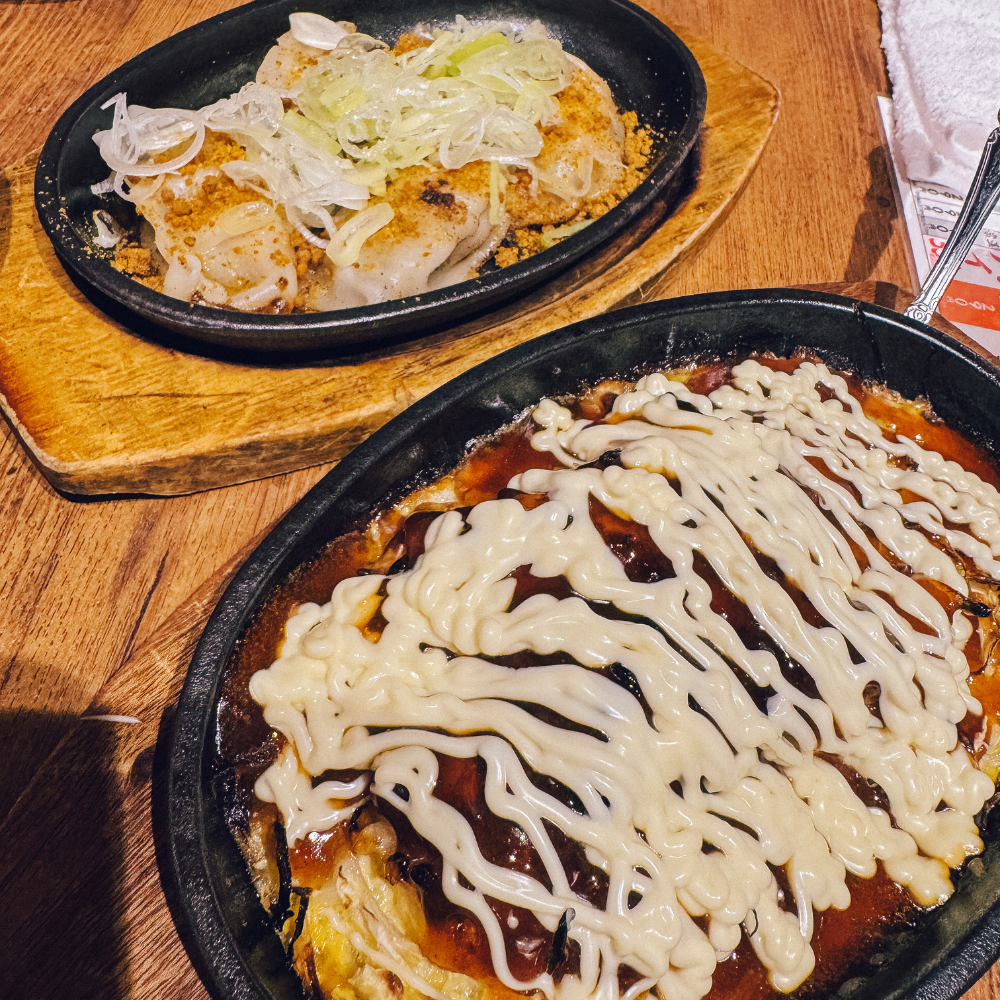
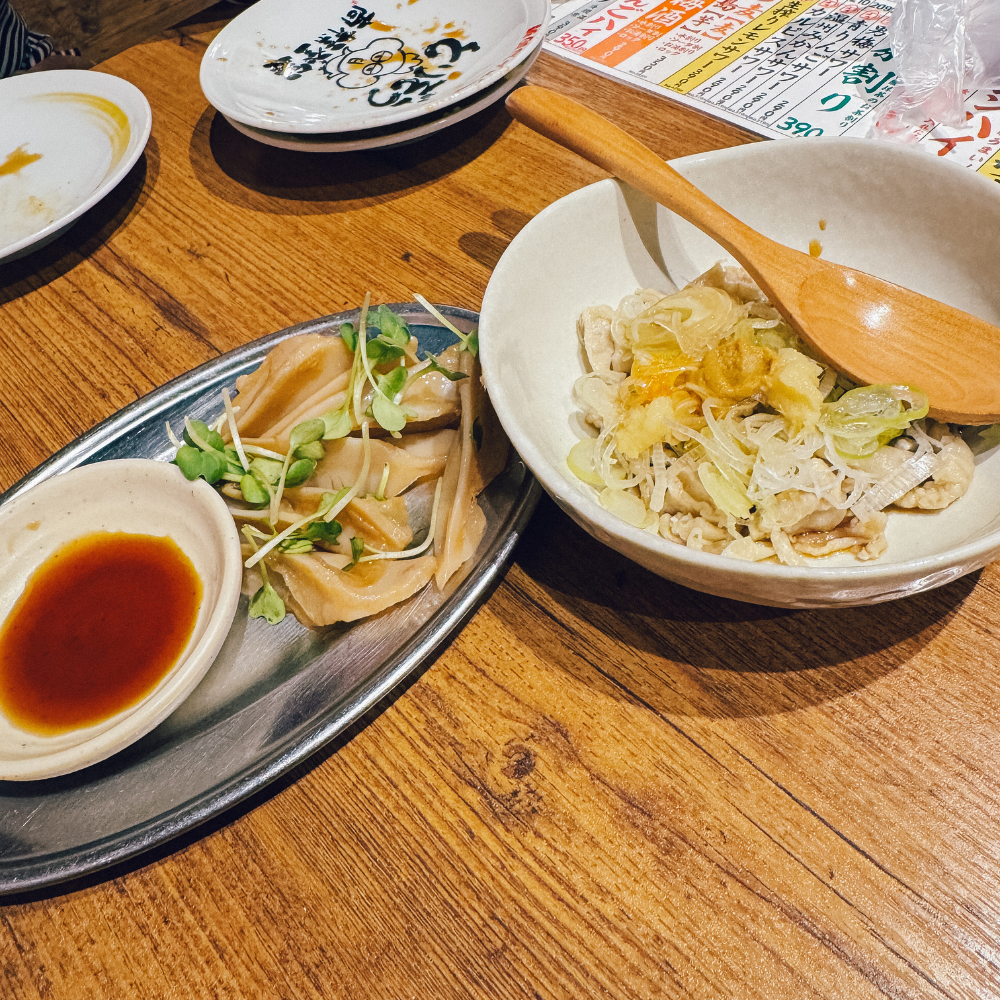
According to the Japanese girl I hung out with (we met through Instagram), who was raised in Nagoya, an Izakaya is “very Nagoya”. You should be able to find a ton of these around, and if you’ve never really understood what an Izakaya is, don’t worry, I finally get it.
Think of it like Japanese dim sum. You order lots of little plates to share. I let her do all the ordering, as I couldn’t read the menu to save my life. We ate: thinly sliced marinated liver, chicken skin skewers, potato salad, cartilage with dipping sauce, boiled curry gyoza, and an egg-and-cabbage mixture covered in a tangy sauce and Kewpie. Honestly, it was all fabulous.
I’m super glad I let a local take the reins, because I wouldn’t have ordered 90% of that on my own!
Final Thoughts
Nagoya is great! My original intention was to only come here because of my visit to Ghibli Park. Honestly, I wish I had fit in an extra day to see more because it’s a really nice city. There are significantly fewer tourists than along the Golden Route, and it’s a very different feeling.
Even with fewer foreign tourists, I still didn’t have any issues finding places to eat, and the locals were super kind. I would absolutely love to come back here!