







Japan is a small, well-connected country thanks to regional airports, the Shinkansen, and expansive local trains. Due to their incredible train systems, it’s actually easy to take day trips from many major cities! During my three-week trip, I took a bunch, and these are the ones I suggest you take and how you can get there.
Yokohama
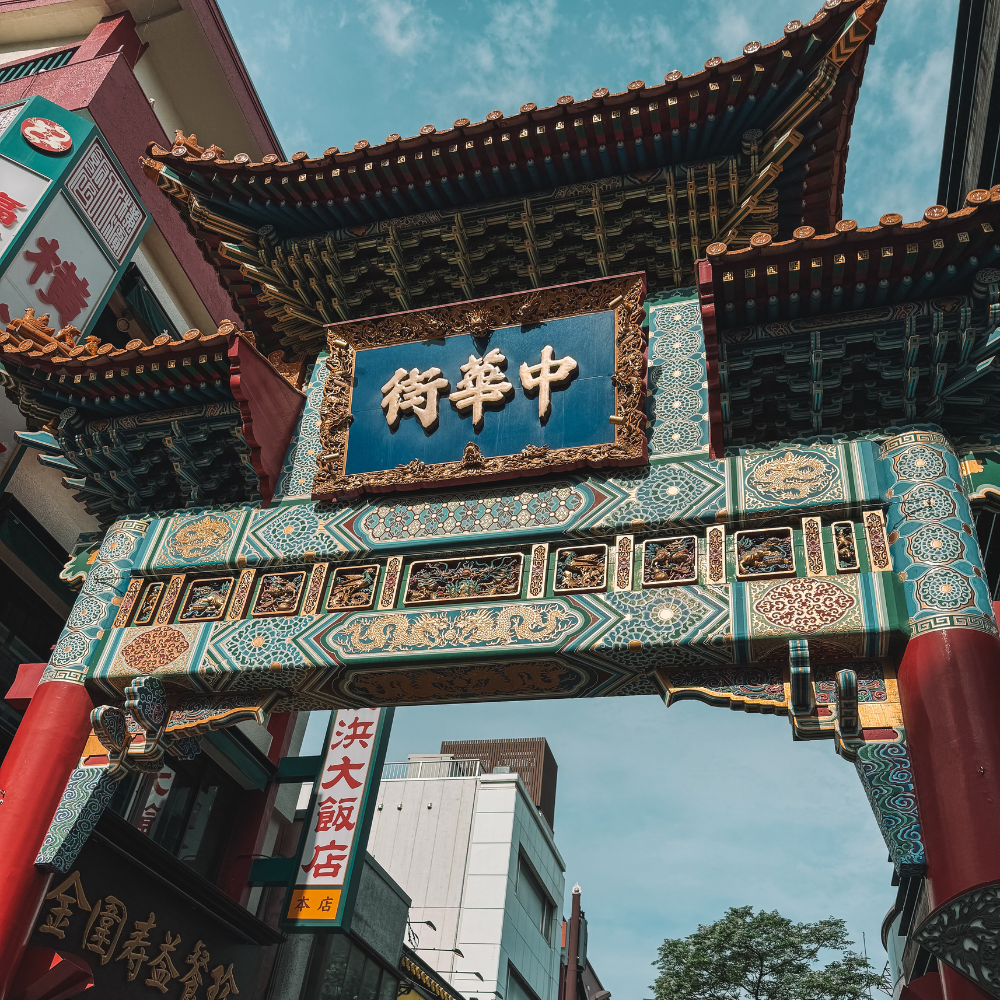
Yokohama started out as a small fishing village, but everything changed in 1859. Its port was opened to foreign trade near the end of Japan’s period of isolation. The city quickly grew into one of Japan’s largest international trade hubs. This brought Western influences that helped shape its architecture, cuisine, and culture.
Over time, Yokohama became known for its modern waterfront, international atmosphere, and major shipping industry. Although much of the city was damaged during the Great Kanto Earthquake and World War II, it was rebuilt into a vibrant port city.
I adored Yokohama! My biggest highlight was the Cup Noodle Museum and being by the water. It’s also home to Japan’s largest Chinatown.
How to get there?
Tokyo
If leaving from Tokyo Station, it takes about 30-45 minutes to reach Yokohama Station. Times will vary depending on which station is closest to you. From Kayabacho, it took me an hour and 15 minutes.
Kyoto
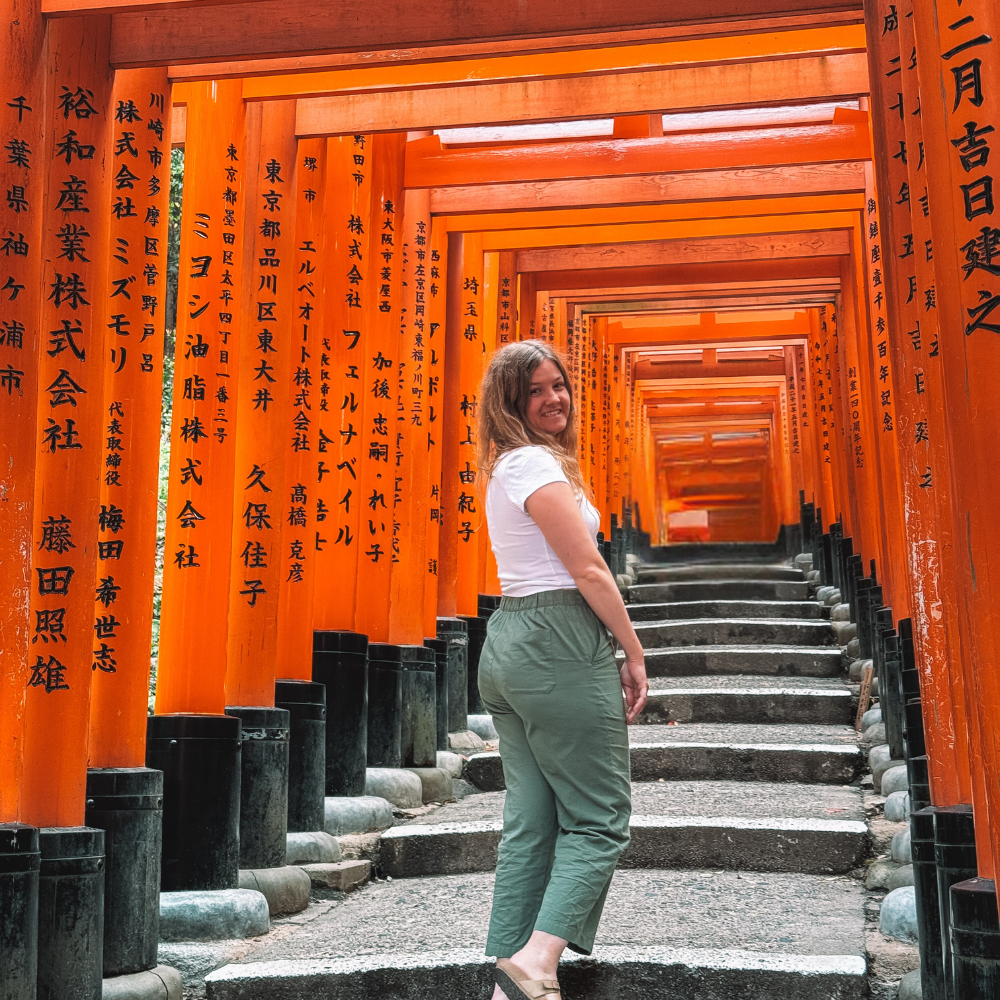
Kyoto was founded in 794 AD and was Japan’s imperial capital for over 1,000 years. It became the heart of Japanese culture, filled with beautiful temples, shrines, and traditional architecture. Even after the capital moved to Tokyo in 1868, Kyoto kept its historic charm. Today, it’s known as one of Japan’s most iconic cities, where old traditions and modern life come together.
Personally, I would recommend multiple days here! However, if you just want to do the highlights like Fushimi Inari-taisha, Arashiyama Bamboo Forest, and Nishiki Market, you definitely can. It just might all feel a bit rushed.
How to get there?
Osaka
Starting from Shin-Osaka station, you can take the Tokaido-Sanyo Line for 30 minutes to Kyoto station.
Osaka
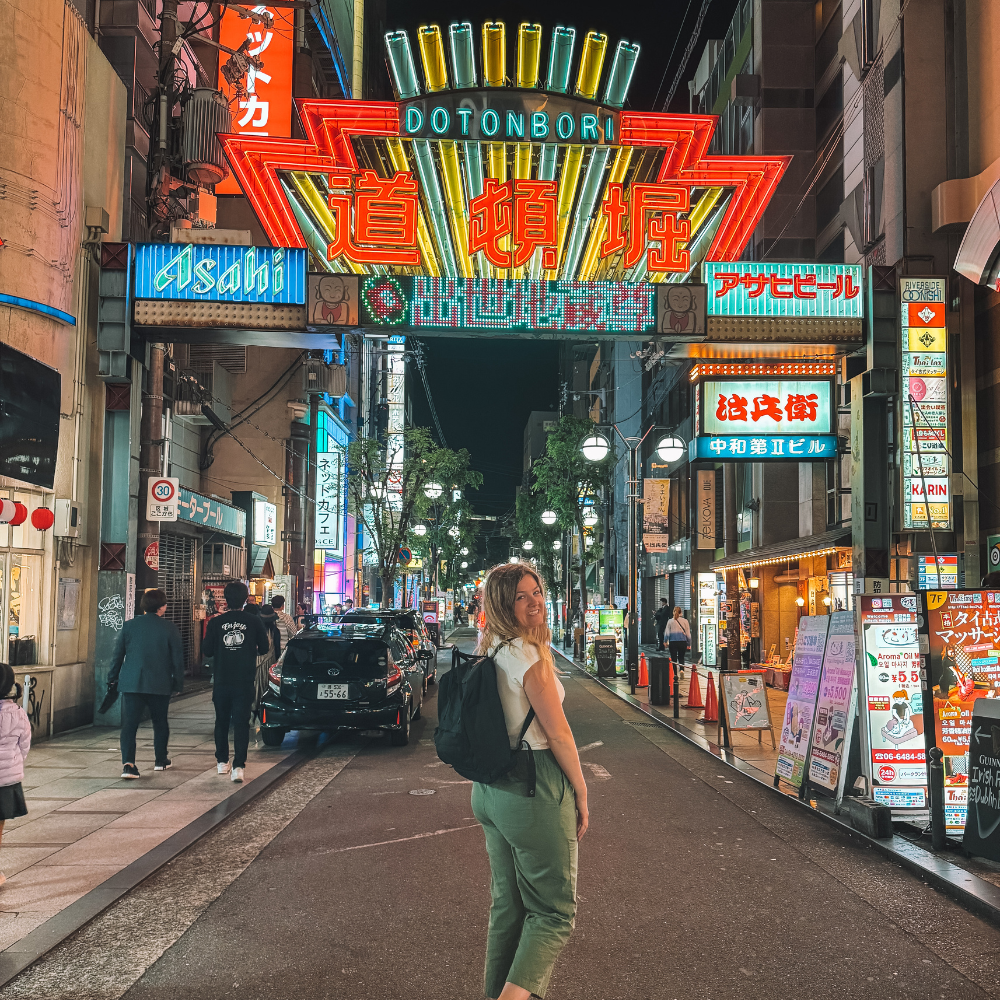
Osaka’s history goes back over 1,500 years, and it grew into a key trade hub thanks to its location along major waterways. It was even briefly Japan’s capital in the 7th century, back when it was called Naniwa. In the late 1500s, Toyotomi Hideyoshi put the city on the map by building Osaka Castle, turning it into a major political center.
By the Edo period, Osaka became Japan’s economic hub, earning the nickname “Nation’s Kitchen.” It later grew into an industrial powerhouse, was heavily damaged in World War II, and was quickly rebuilt into the vibrant, food-loving city it is today.
This is another city where I also recommend visiting for multiple days. However, for a day trip, you can hit up highlights such as Dotonbori, Osaka Castle, Shinsekai Market, and Umeda Sky Building and Kuchu Teien Observatory.
How to get there?
Kyoto
Starting from Kyoto Station, you can take the Tokaido-Sanyo Line for 30 minutes to Shin-Osaka Station.
Nara
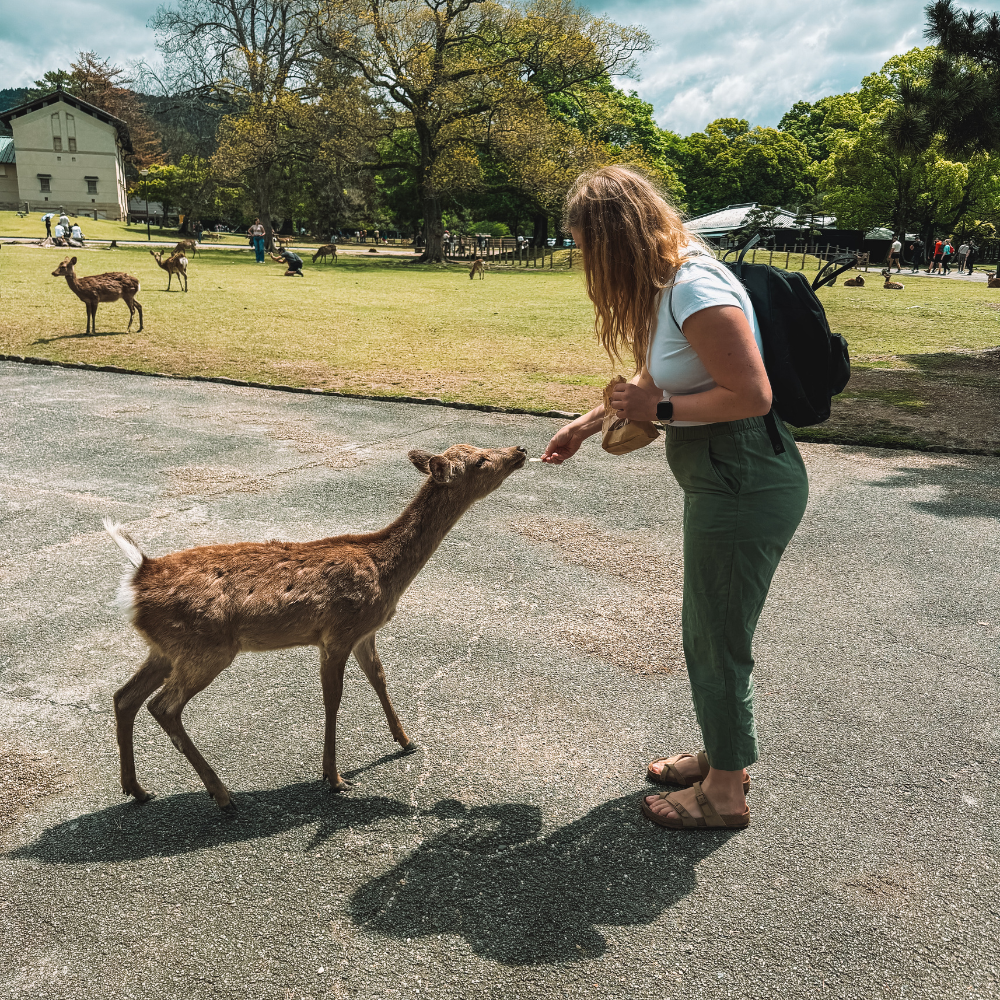
Nara Park is a large public park in Nara, Japan, that opened in 1880 at the base of Mount Wakakusa. Spanning about 660 hectares, it’s a go-to spot for both nature and history, and it’s home to famous UNESCO sites like Todai-ji Temple, Kofuku-ji Temple, and Kasuga Taisha Shrine.
The park’s biggest attraction is its population of over 1,000 free-roaming sika deer! They’re considered sacred messengers of the gods in the Shinto religion.
Nara is a major bucket list item for many, and I’m so glad it’s easy to get there from multiple places! I really enjoyed feeding the deer, seeing the shrines, and trying some local treats.
How to get there?
Osaka
If leaving from Osaka Station, you can take the Osaka Loop Line for about an hour to Nara Station. From Umeda Station, you can take the Midosuji Line to Namba Station, and then transfer to the Kintetsu-Nara Line at Osaka-Namba Station for about a 45-minute ride total to Yamato-Saidaiji Station in Nara.
I took the rapid express train from my hotel in Osaka, and it was only 40 minutes to Nara. I was also able to do all of this with my SUICA card, no extra ticket needed!
Kyoto
If leaving from Kyoto Station, you can take the Kintetsu Limited Express for 30 minutes or the Karasuma Line for 45 minutes to Yamato-Saidaiji Station in Nara.
Hiroshima
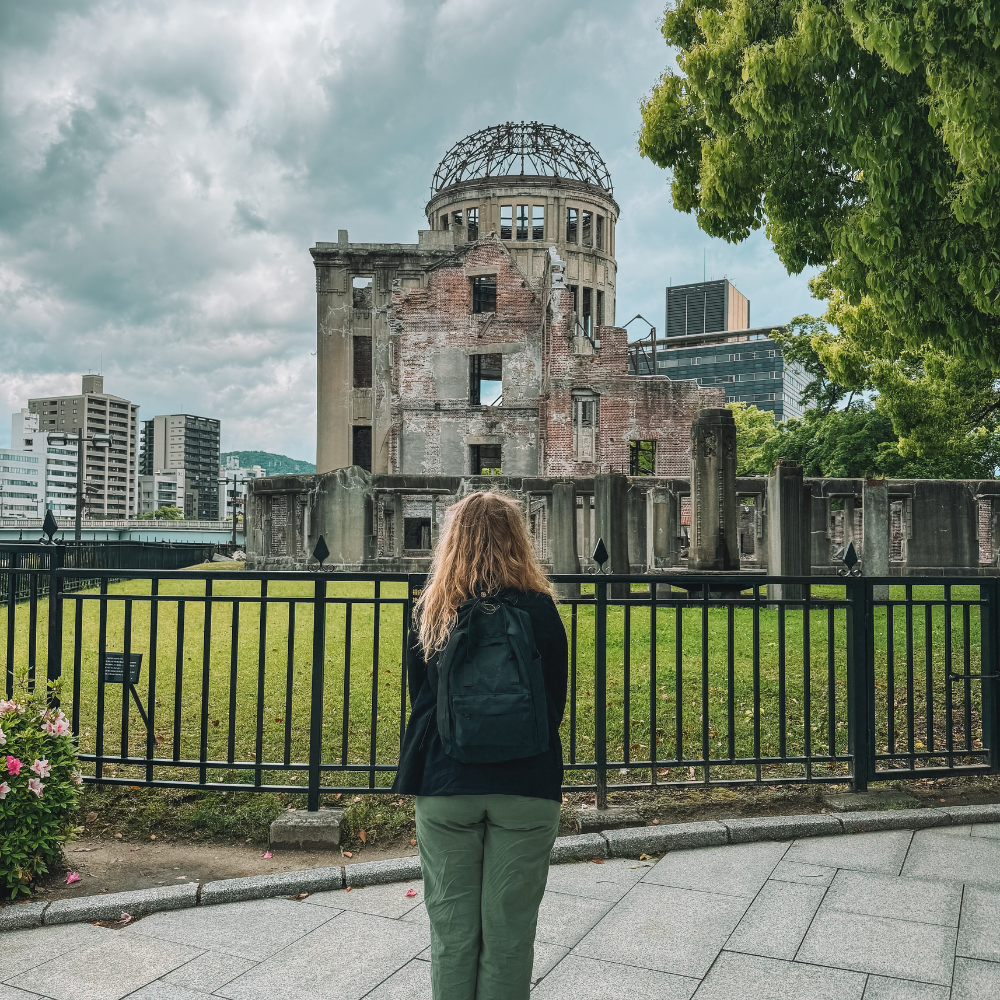
Hiroshima started out as a small castle town in the late 1500s, growing around Hiroshima Castle and becoming an important regional hub. Over time, it developed into a key military and industrial city, especially in the early 20th century.
The city is most known for the atomic bombing of Hiroshima during World War II, which caused massive destruction. But Hiroshima rebuilt itself into a symbol of peace and resilience. Today, it’s a vibrant city known for places like Hiroshima Peace Memorial Park, which promotes peace for all around the world.
A slightly pricier day trip in terms of transportation, but still totally doable! Hiroshima was very emotional for me, particularly as a US citizen, knowing what my government did. So many parts of the city highlight the life and light the people have brought back, and it’s truly so beautiful. Missing Hiroshima would be a real shame.
How to get there?
Osaka
Leaving from Shin-Osaka, you’ll want to take the Sanyo Shinkansen for one and a half hours to Hiroshima Station.
Kyoto
Leaving from Kyoto Station, you’ll take the Tokaido Shinkansen for an hour and 45 minutes to Hiroshima Station.
You’ll notice these are pretty long trains for a day trip, so my suggestion is to stay overnight and then continue to the next spot, rather than return to Osaka or Kyoto.
Iwakuni
From Iwakuni Station, you can take the San-yo Line for about an hour to Hiroshima Station.
This is how I got there when visiting family in Iwakuni!
Miyajima
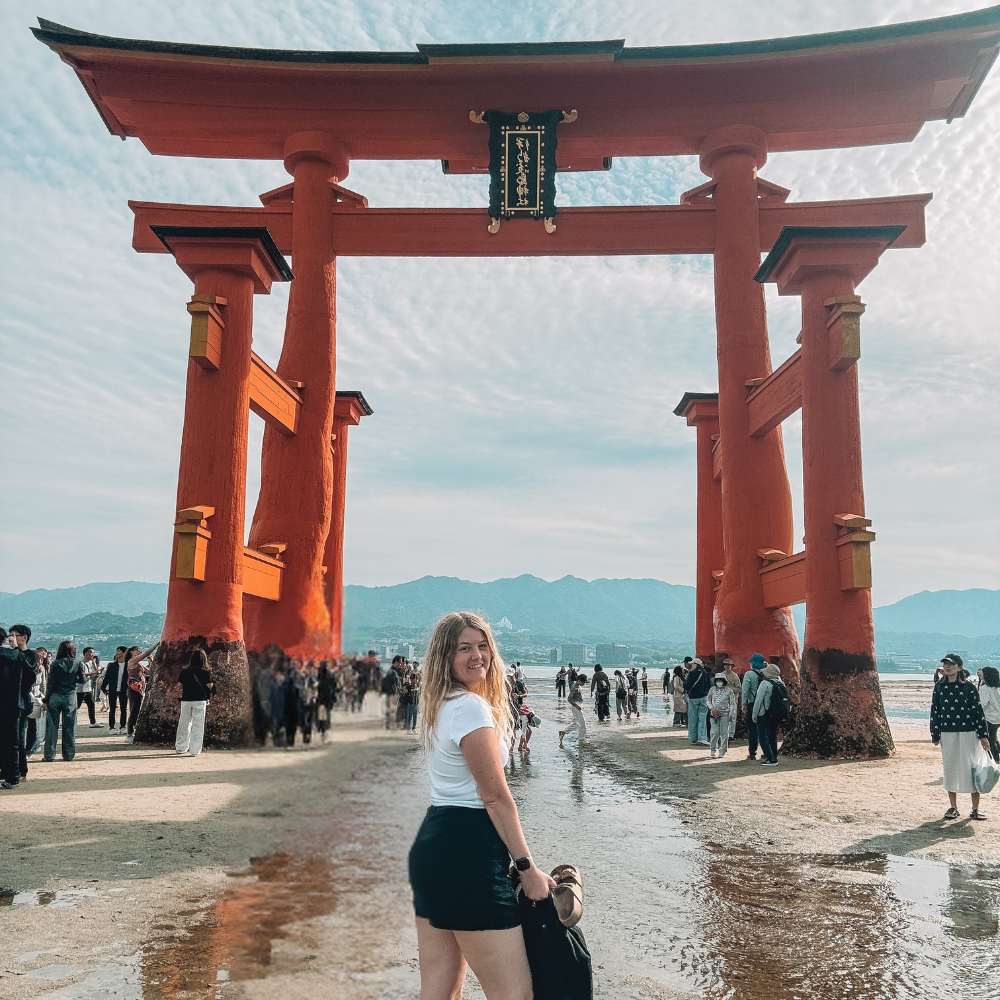
Miyajima, officially called Itsukushima, has been seen as a sacred spot for centuries. Way back in the day, people believed the island was so holy that regular visitors weren’t even allowed to step on it, so they’d admire it from boats instead.
In the 1100s, Taira no Kiyomori helped build Itsukushima Shrine, the famous shrine that appears to float on the water. Over time, the island became a popular pilgrimage stop, and now it’s a go-to destination known for its iconic torii gate, friendly deer, and amazing street food!
This island was one of my favorite day trips during my time in Japan! The floating torii is so beautiful, and the local oysters are fantastic. A day is a good amount of time, but you could definitely spend more than one, as there’s a lot to do.
How to get there?
Osaka
A bit farther out, starting from Shin-Osaka Station, the fastest way is to take the Shinkansen to Hiroshima, approximately 1.5 hours. Then transfer to the train for 30 minutes to Miyajimaguchi, then take the 10-minute JR Miyajima ferry.
You’re looking at just over two hours in travel time one-way, as long as everything runs smoothly. If coming from Osaka, this is doable as a day trip, but you’ll want to leave early and return late to make it worthwhile. Another option would be to spend a day in Hiroshima, then Miyajima, to reduce travel and maximize your time.
Iwakuni
From Iwakuni Station, it’s an easy 30-minute ride on the San-yo Line to Miyajimaguchi Station and then another 10 minutes on the JR Miyajima ferry.
Hiroshima
From Hiroshima Station, you can take the San-yo Line for 30 minutes to Miyajimaguchi Station and then transfer for another 10 minutes on the JR Miyajima ferry.
You could also take a ferry from Hiroshima straight to Miyajima Ferry Terminal for about 40 minutes. This is the more expensive option.
Kamakura

Kamakura is a coastal city with a huge place in Japanese history. It rose to prominence in 1192 when Minamoto no Yoritomo established Japan’s first military government there, making Kamakura the country’s political center during the Kamakura period.
Although its political power declined after the 14th century, Kamakura remained an important cultural and religious center, filled with temples and shrines. Today, it’s best known for its rich history, beautiful coastline, and famous landmarks like the Great Buddha of Kamakura, making it a popular day-trip destination from Tokyo.
For me, Kamakura was an unexpected last-minute day trip suggested by someone on Threads (bless that person)! I was super grateful for this, as it was an amazing day. It’s such a beautiful little town, and I loved riding the Enoden!
How to get there?
Tokyo
From Tokyo Station, there are a bunch of different options! However, the most direct way is to take the Yokosuka Line for 1 hour to Kamamura Station.
Yokohama
From Yokohama Station, you also have a few options. For the most direct, you can take the Shonan-Shinjuku or the Yokosuka Line for about 30 minutes.
Ghibli Park (Aichi)
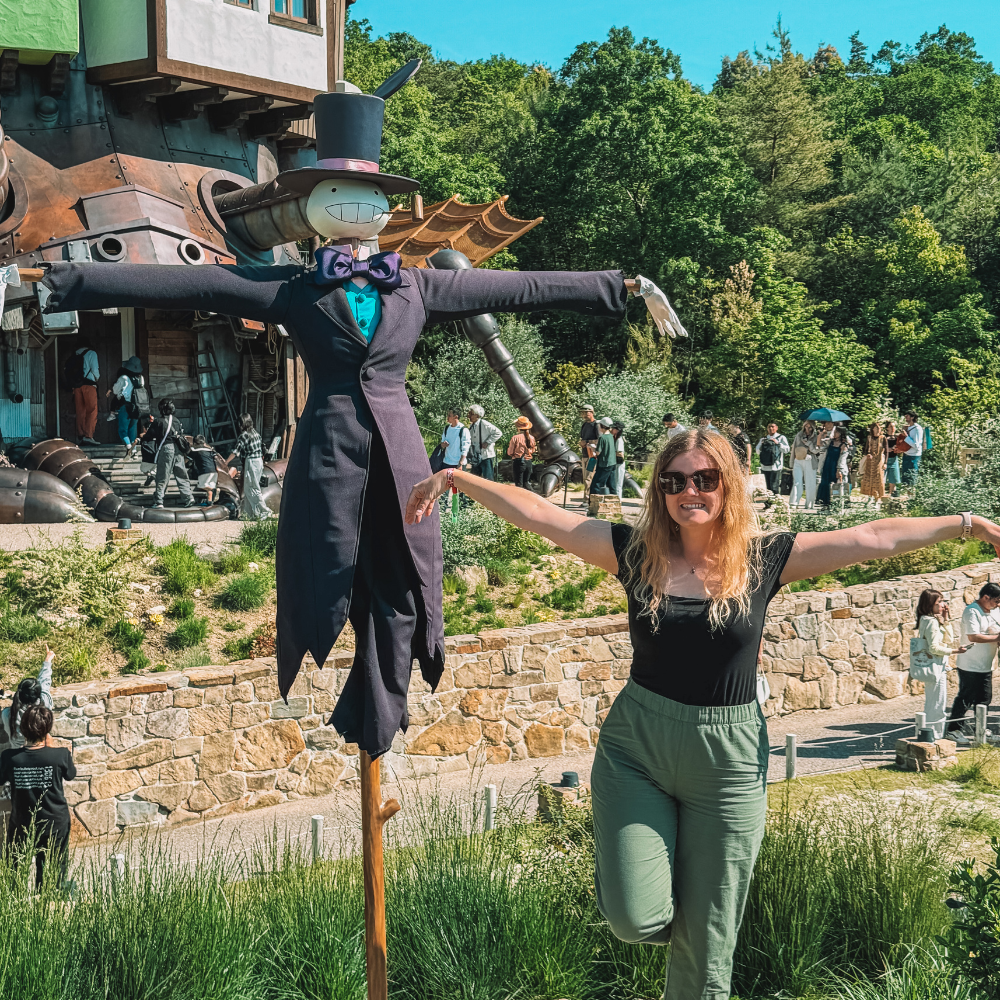
Ghibli Park is a theme park in Aichi, Japan, about one hour outside of Nagoya, representing the world of Studio Ghibli. You might recognize some of their more famous films, such as Kiki’s Delivery Service, Howl’s Moving Castle, and Spirited Away. There are five areas spread out across the Expo 2005 Aichi Commemorative Park to explore.
You can visit the Grand Warehouse, Valley of the Witches, Dondoko Forest, Mononoke Village, and the Hill of Youth. In each of these, you can place yourself inside the films and interact with the exhibits. Yes, you can touch and ponder through things like Howl’s Kitchen and Kiki’s Wardrobe.
This was one of my absolute favorite days in Japan and is perfect for all Ghibli fans!
How to get there?
Nagoya
From Nagoya station, you’ll want to take the Higashiyama Line toward Fujigaoka and exit at the last stop. Switch to the Linimo Line. You will need to exit the station, but it’s extremely close. Just follow the signs! Take that towards Yakusa and get off at Ai-Chikuhaku Kinen Koen. There’s also a ton of signage at Fujigaoka about which stop to get off for the park.
There’s also the Meitetsu Bus to Ai-Chikuhaku Kinen Koen, which takes only 40 minutes, but costs more than the train.
Follow the signs in the station to the park!
Mount Fuji
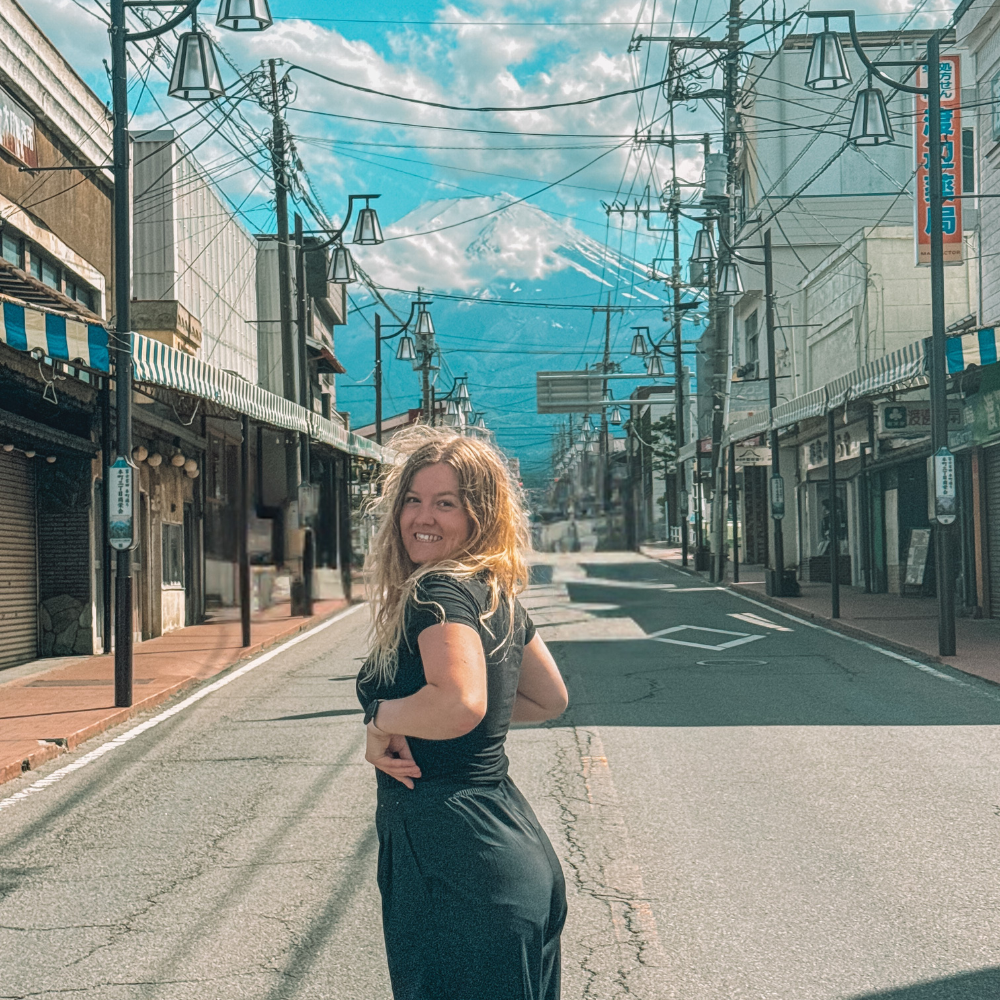
Mount Fuji is an active stratovolcano on Japan’s main island of Honshu. It stands at 3,776 meters (12,389 feet), making it the tallest mountain in the country. It’s also one of the highest volcanoes on an island anywhere in the world. Although it’s still considered active, Mount Fuji hasn’t erupted since 1707–1708.
Located about 100 km southwest of Tokyo, Mount Fuji is often visible on clear days from the city. Its nearly perfect cone shape, covered in snow for much of the year, has made it one of Japan’s most recognizable landmarks. Mount Fuji is a huge part of Japanese culture and is often featured in art and photography, while also attracting visitors, hikers, and climbers from around the world.
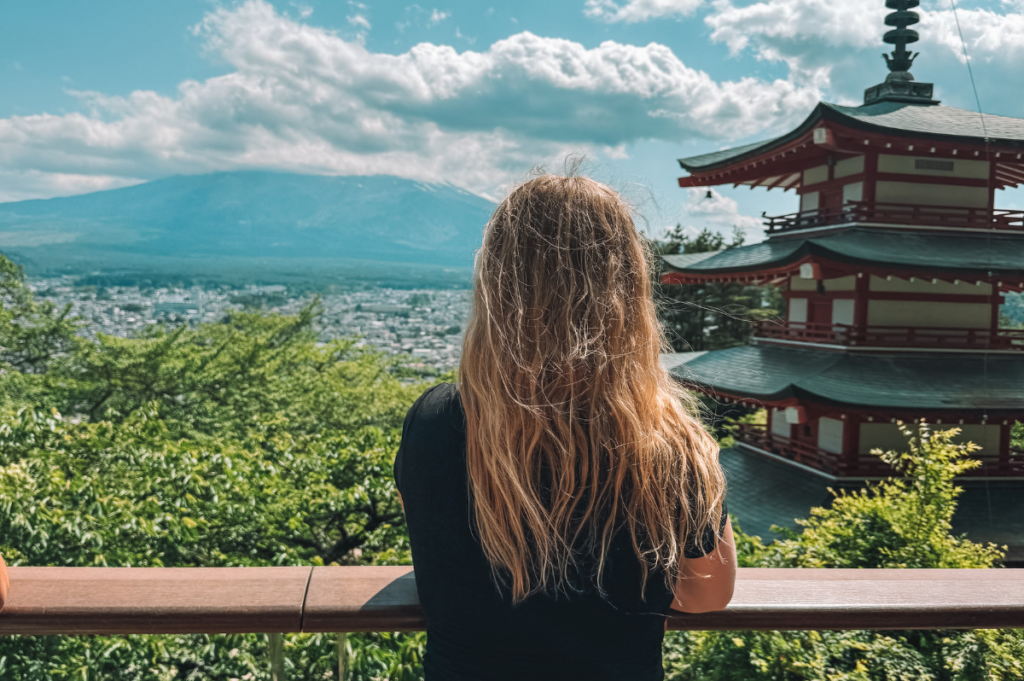
Mount Fuji is an absolute cannot miss on your first trip to Japan! She’s just gorgeous! Of course, there’s no guarantee you’ll get a clear view, and it’s often pretty cloudy. My trip started off with it behind the clouds, and later in the day, they thankfully cleared. It’s definitely a gamble!
How to get there?
Tokyo
Shinkansen
To take a bullet train from Tokyo to Mt. Fuji, use the Tokaido Shinkansen line from Tokyo Station or Shinagawa Station to Shin-Fuji Station. Transfer to a local bus operated by Fujikyu to reach Mount Fuji station. A one-way bus journey takes about 2 hours and 15 minutes.
Fuji Excursion Limited Express is a direct train connecting Shinjuku Station in Tokyo to Kawaguchiko Station, a gateway to Mount Fuji.
Rental Car
If you want the most flexibility when visiting Mount Fuji, renting a car is a great option, especially for families or groups. Rental shops can be found all around Tokyo, including at major train stations and airports. Just keep in mind that foreign drivers need an International Driving Permit (IDP). In winter, you may also need snow tires or chains, depending on conditions. This can take 2-3 hours.
Book a Tour
Personally, this is how I did mine, and I highly recommend this option! It’s super affordable and gets you to all the hot spots without needing to worry about a thing. I booked mine through GetYourGuide, which I’ve used many times, and cannot recommend it enough. My tour guide was incredible and got to each spot about 20 minutes before everyone else. He gave us the best chances of getting food and great pictures without all the crowds. Between destinations, we were given a bunch of history and information about each spot. This made the rides much more enjoyable!
Final Thoughts
We’re all trying to see as much as we can in Japan, especially if it’s a once-in-a-lifetime type of trip. Though we can’t see everything, day trips are a great way to experience a place’s highlights without dedicating a ton of time.
I was able to see a bunch of extra things by adding in spots I didn’t originally have on my itinerary, such as Yokohama and Kamakura. Picking a base for a week or so, visiting nearby smaller towns, and not having to change hotels makes it way less stressful!
You should definitely venture off the Golden Route and see some of these amazing smaller towns! Honestly, these memories stick with me more than the big cities.