
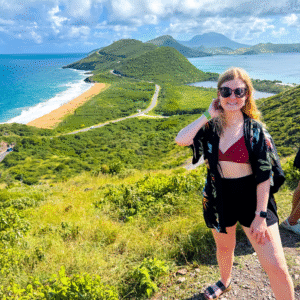
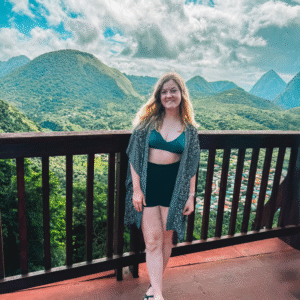
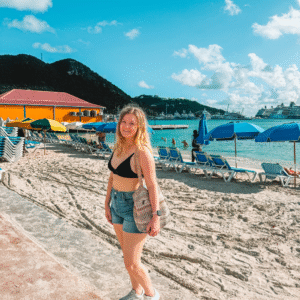

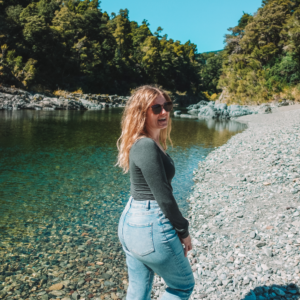


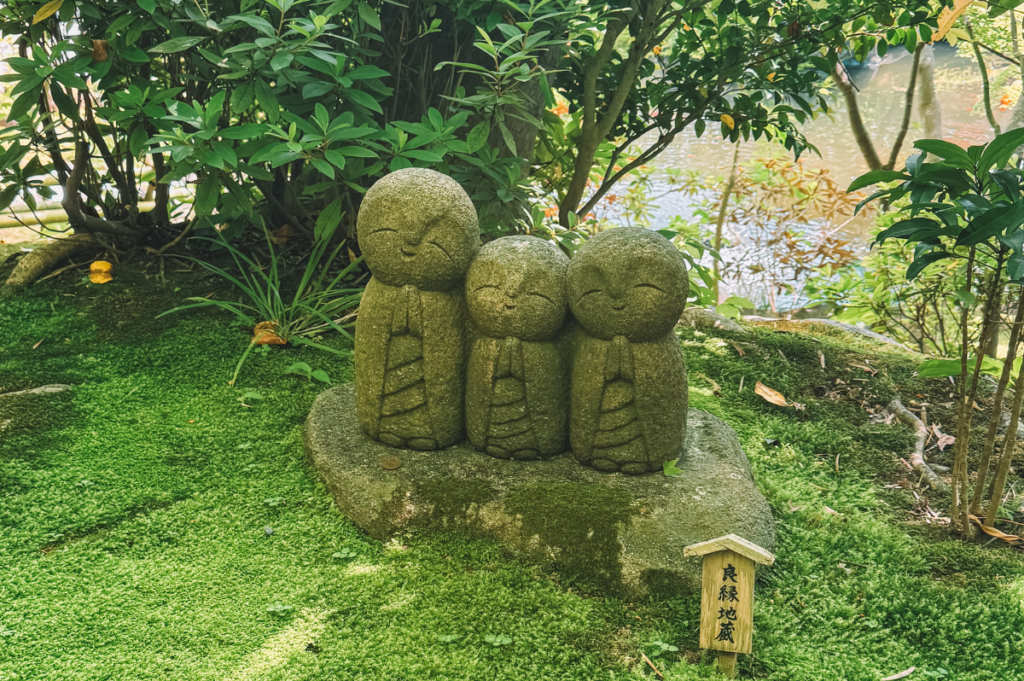
Kamakura was a last-minute final-day trip and was honestly the perfect way to wrap everything up! It is such a sweet little town right by the ocean.
Brief History of Kamakura
Kamakura is a coastal city with a huge place in Japanese history. It rose to prominence in 1192 when Minamoto no Yoritomo established Japan’s first military government there, making Kamakura the country’s political center during the Kamakura period.
Although its political power declined after the 14th century, Kamakura remained an important cultural and religious center, filled with temples and shrines. Today, it’s best known for its rich history, beautiful coastline, and famous landmarks like the Great Buddha of Kamakura, making it a popular day-trip destination from Tokyo.
How to Get to Kamakura
You can take a local train for about one and a half hours from Tokyo! It costs about ¥900 each way, but the price will vary depending on your starting point.
Ride the Enoden Railway
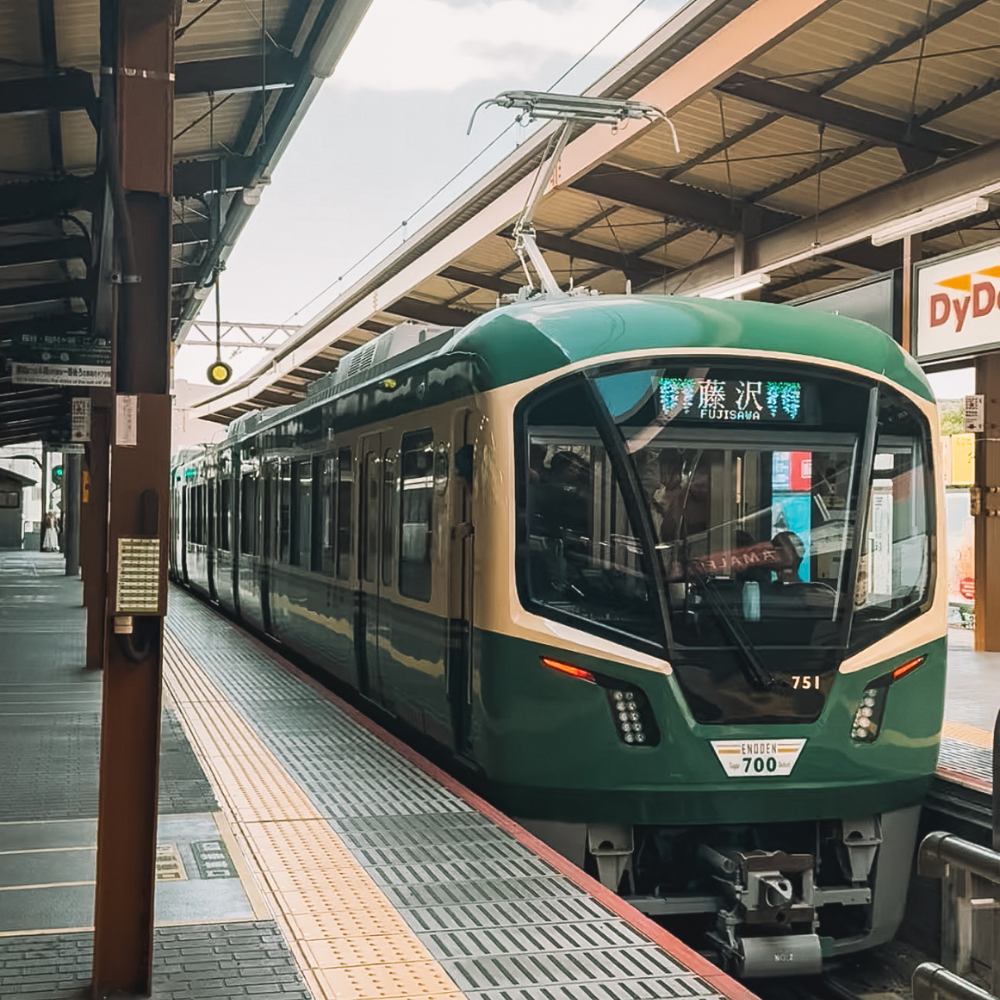
Enoshima Electric Railway, commonly known as Enoden, is a private railway line in Kanagawa that runs between Kamakura and Fujisawa. It’s especially popular with visitors exploring the Shonan coast, including trips to Enoshima, thanks to its scenic route, with stretches running right along the shoreline and offering beautiful views of Sagami Bay.
The line is also loved for its nostalgic charm, unique train cars, and short section that runs directly through the streets. Its appearances in TV shows and movies have made it an iconic part of the area’s local character.
The line works with IC cards, and you can take it to Hasedera Temple!
Hasedera Temple
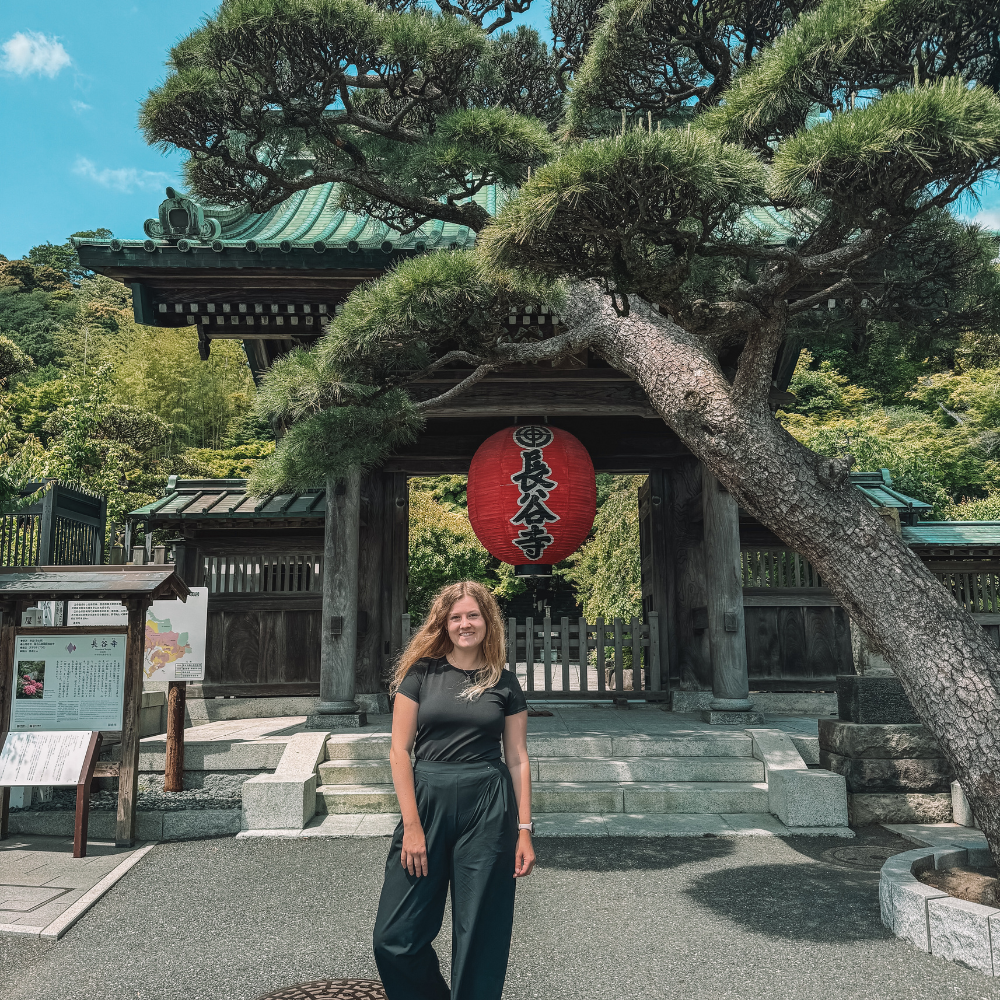
Hasedera Temple, also known as Hase Kannon, is a historic Buddhist temple in Kamakura best known for its massive 9.18-meter wooden statue of the Eleven-Headed Kannon, one of the largest in Japan. The temple is also loved for its beautiful gardens, especially the hydrangeas that bloom along Ajisai Road during the rainy season, as well as its scenic observation deck with views over Sagami Bay and Yuigahama Beach.
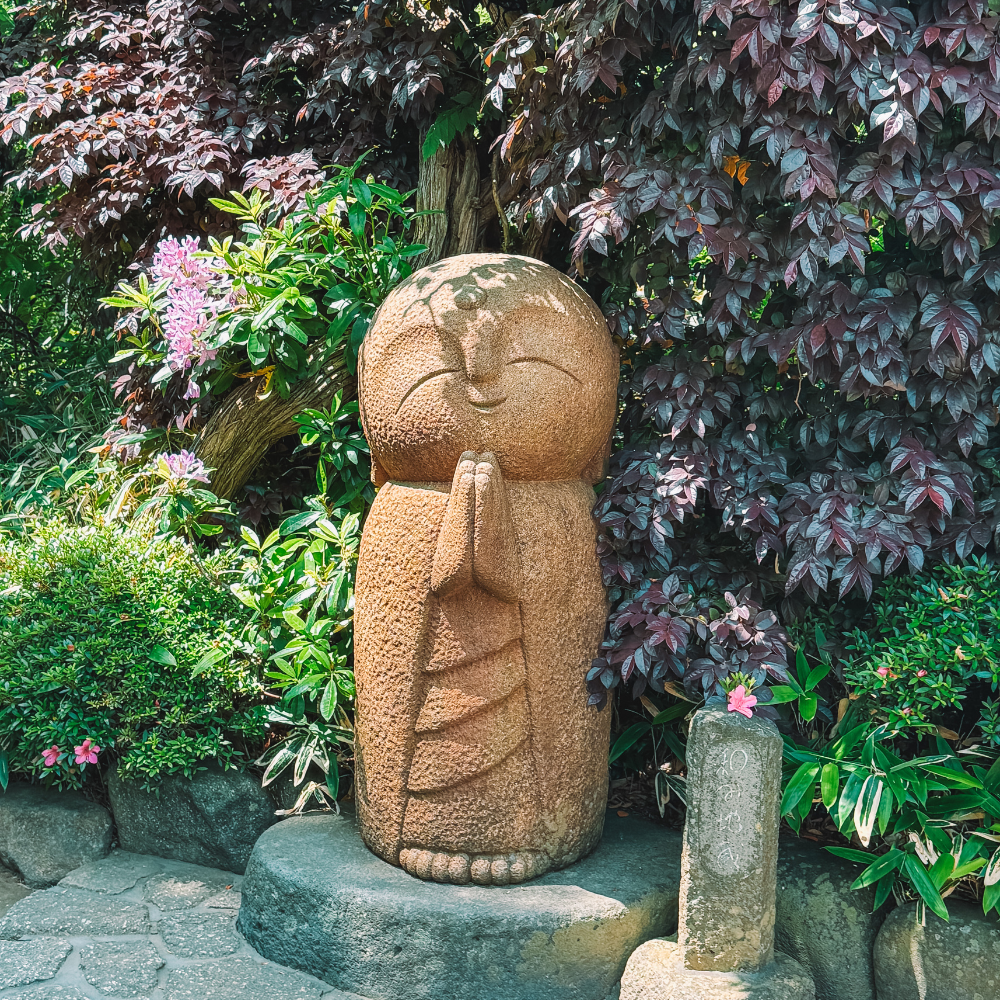
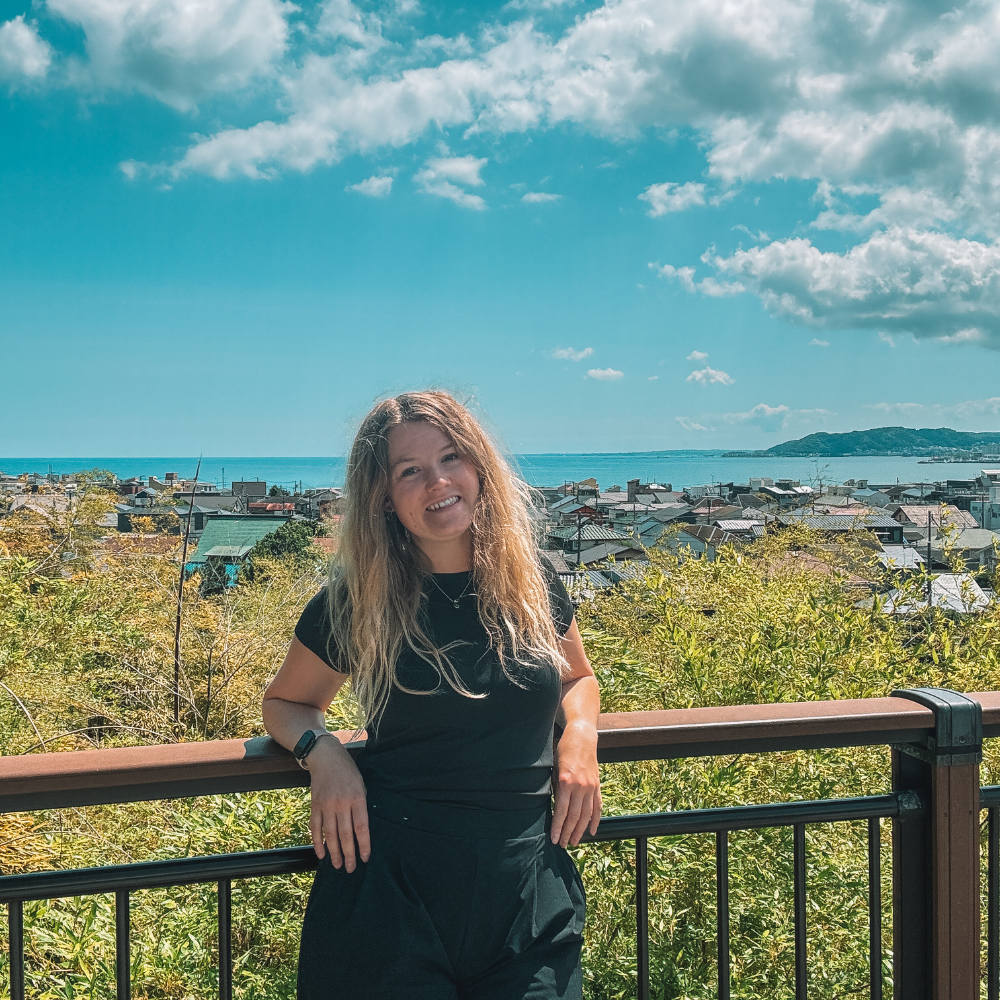
There are tons of very cute statues, and I highly recommend going through the cave, but watch your head!
If you collect stamps, there’s one available near the entrance.
Great Buddha of Kamakura
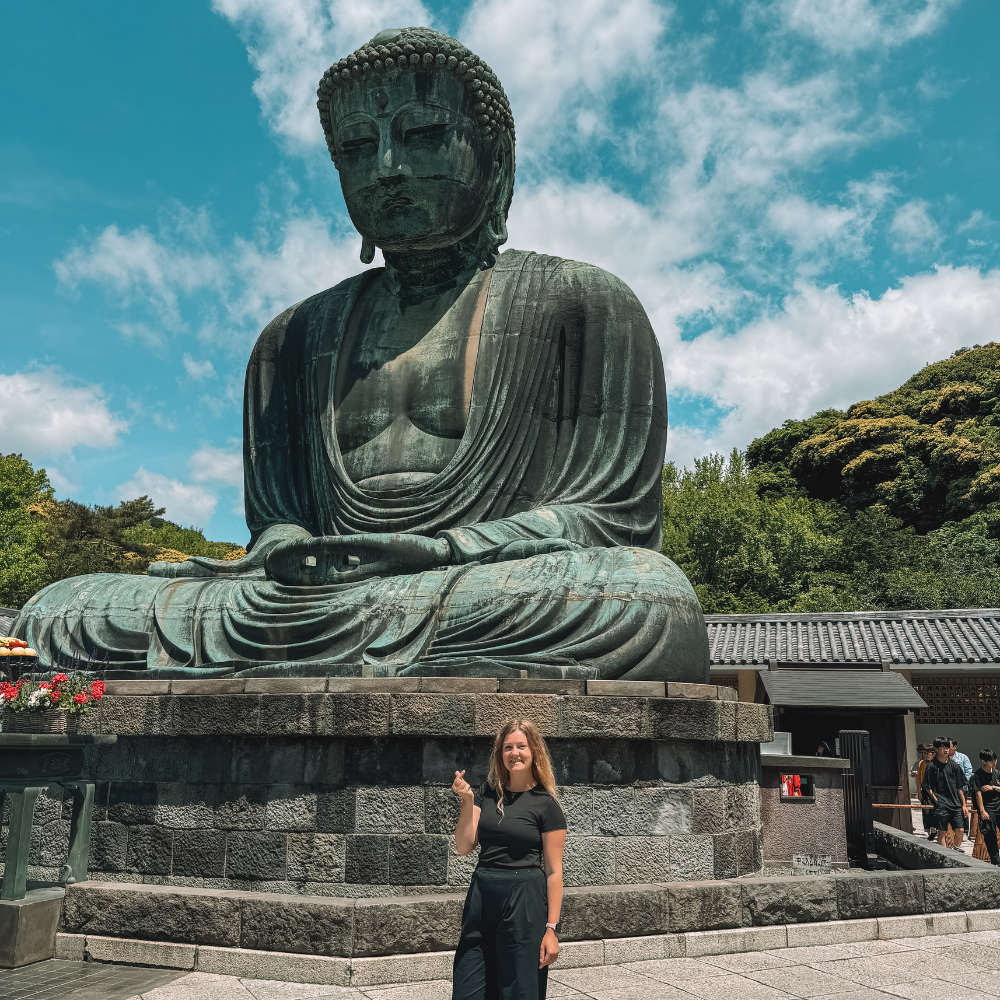
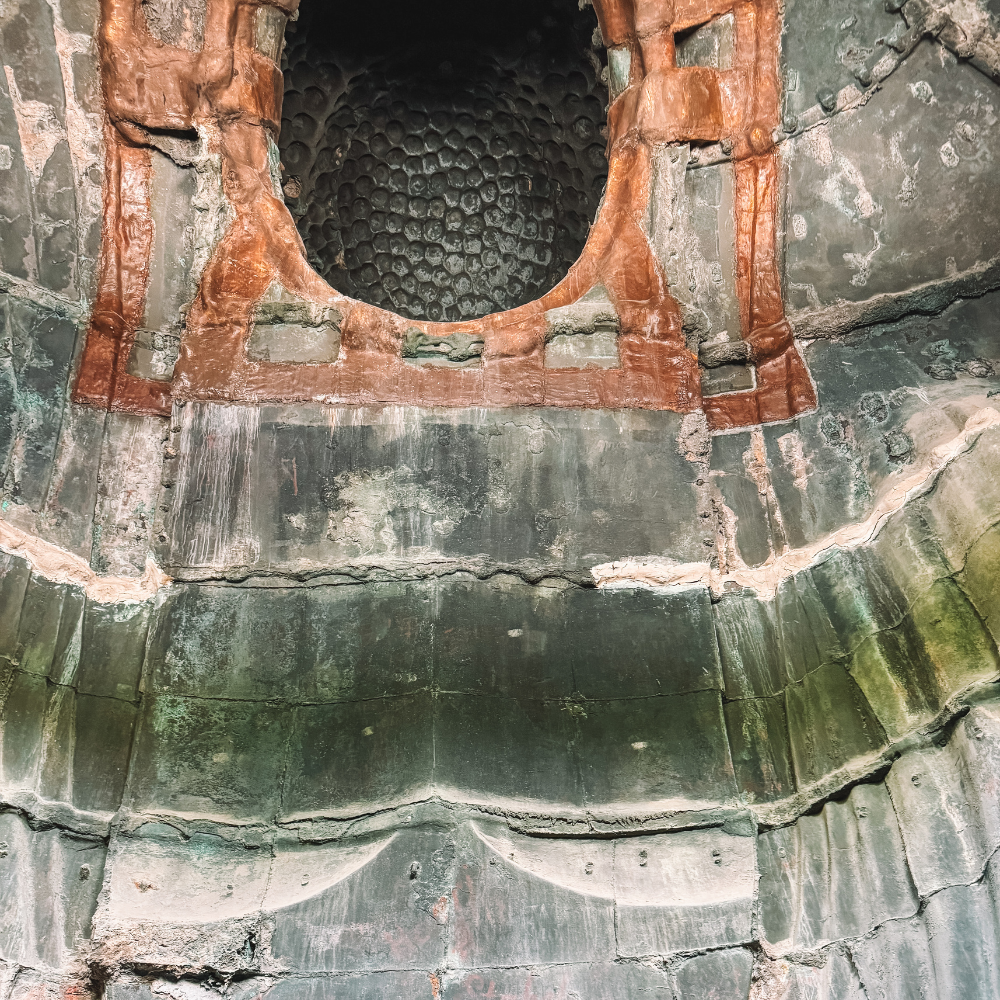
The Great Buddha of Kamakura is a huge bronze statue of Amida Buddha located at Kotoku-in Temple. Standing 13.35 meters tall (including its base) and weighing around 121 tons, it’s the second-tallest bronze Buddha statue in Japan, after the one at Todaiji Temple in Nara.
You do need to pay ¥400 in order to enter the grounds with the statue. If you’re interested, you can also go inside the Buddha for an additional ¥50, payable at the sculpture’s entrance. It is quite warm inside, so I wouldn’t stay too long, but it’s worth going inside!
Zeniarai Benten Shrine
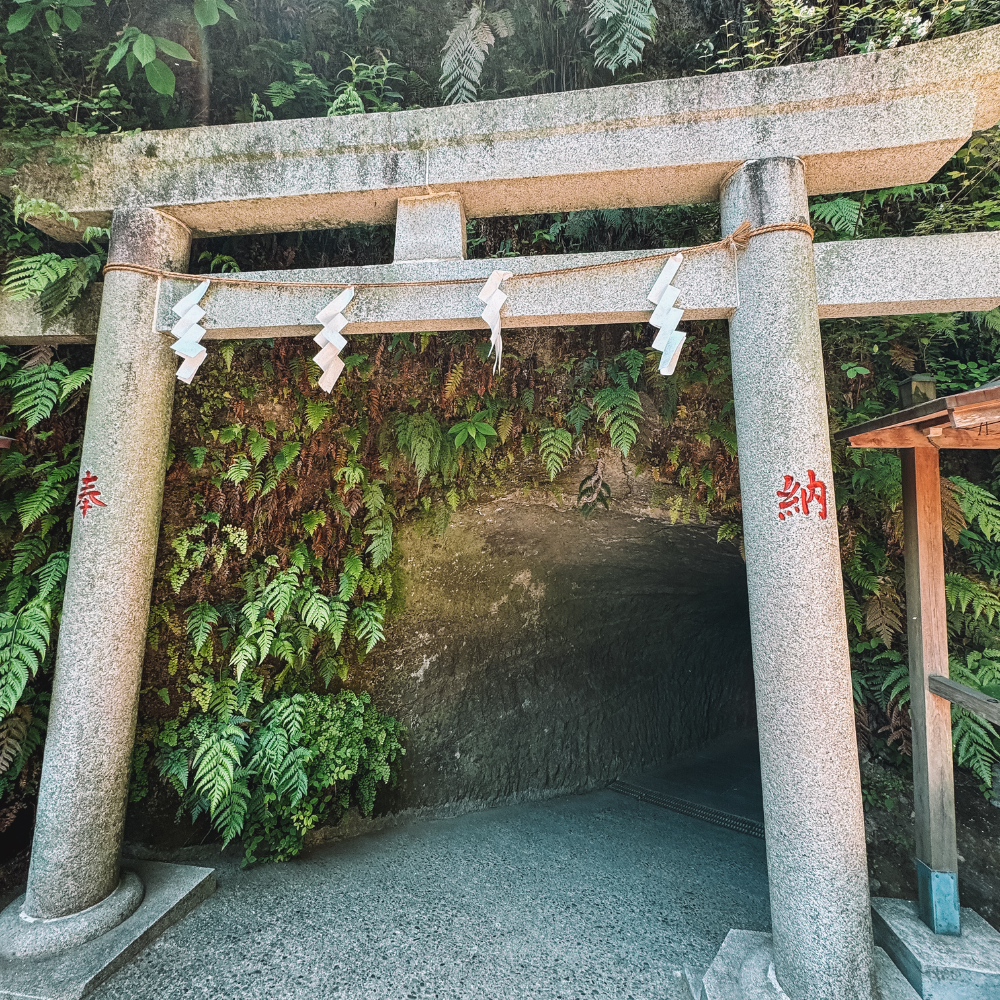
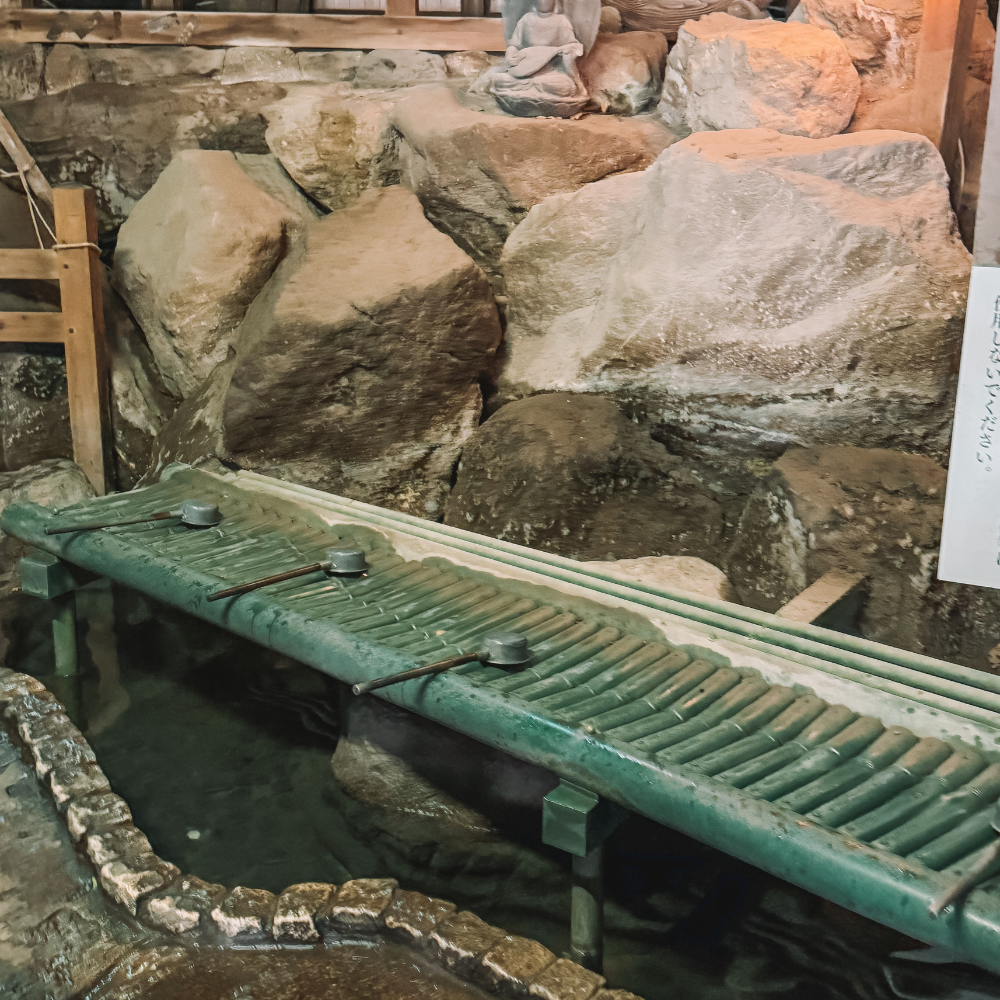
Zeniarai Benten Shrine is a well-known historical and spiritual site in Kamakura, dating back to the 12th century during the Kamakura period, making it one of the area’s oldest shrines. Legend has it that it was founded by Minamoto no Yoritomo after he received a divine message in a dream, instructing him to build a shrine to help bring peace to the country.
The shrine is especially famous for its unique tradition of “money washing,” where visitors rinse money in its spring water in hopes of multiplying their wealth. This practice, along with its history and setting, has made it a popular attraction for both locals and tourists.
If you’re going to walk to this shrine, I just want to note that you do have to climb a large hill.
Kuzuharaoka Shrine
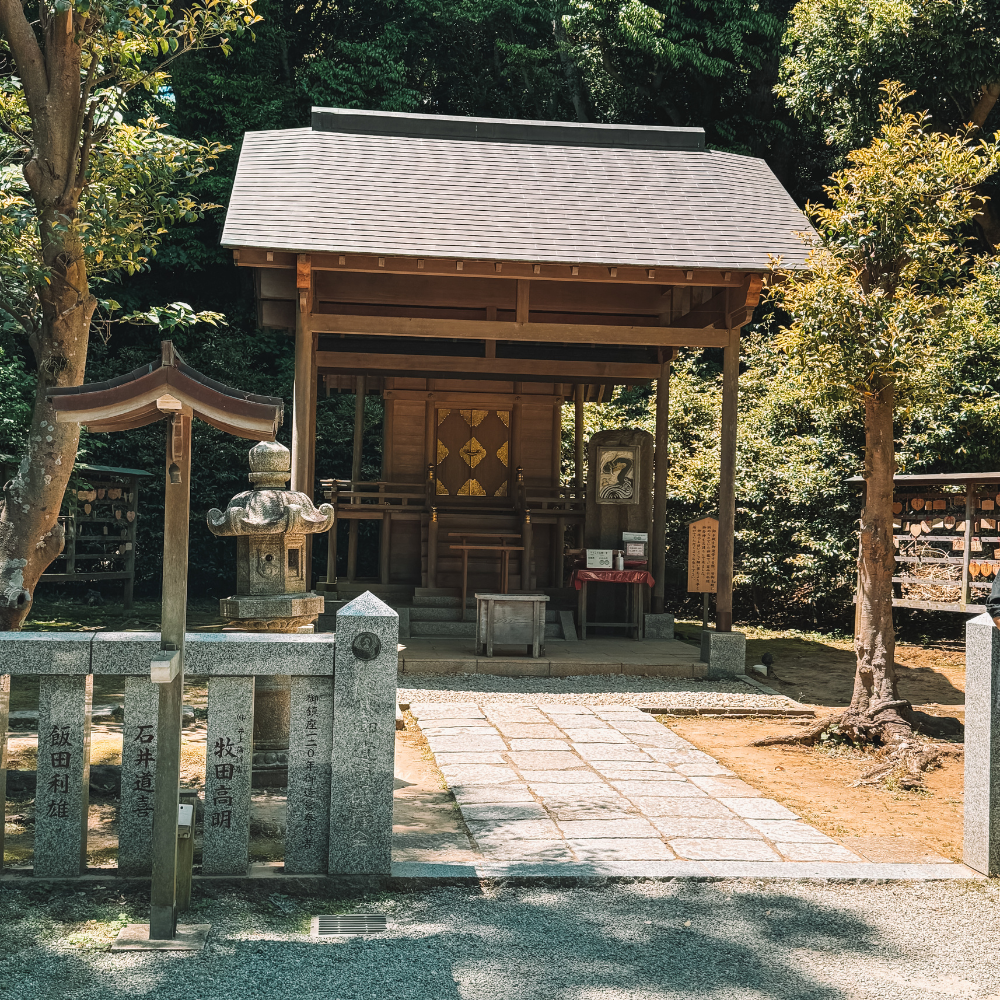
Kuzuharaoka Shrine is a quiet, lesser-known shrine in Kamakura located right along the Daibutsu Hiking Trail. It’s especially known for its unique ritual, in which visitors buy a small ceramic plate for 100 yen and smash it against a stone to symbolically let go of bad luck and worries.
The shrine is easy to reach from Genjiyama Park or while hiking toward Jochi-ji Temple, and it has simple shrine buildings, picnic tables, and a small shop for visitors.
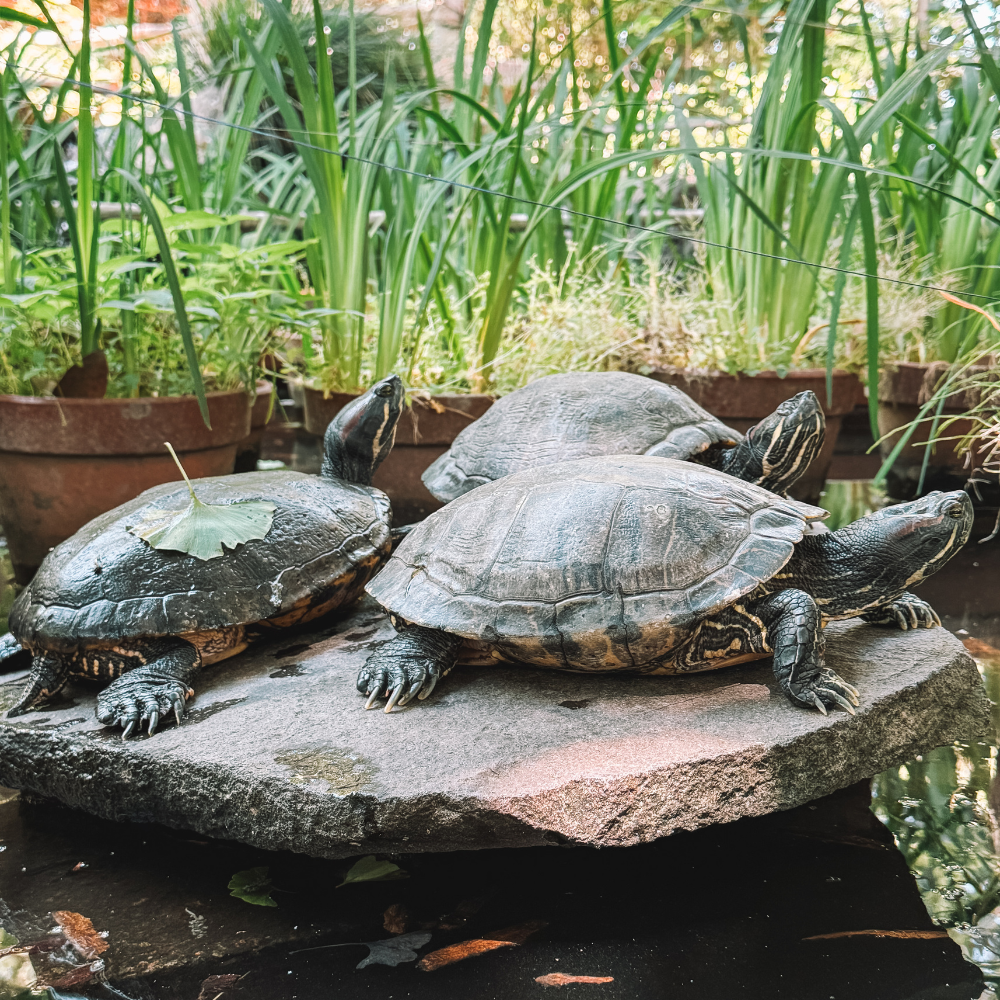
I found this shrine on my way to the park and found it very sweet! There was also a group of turtles hanging out in a small pond, which was adorable.
Genjiyama Park
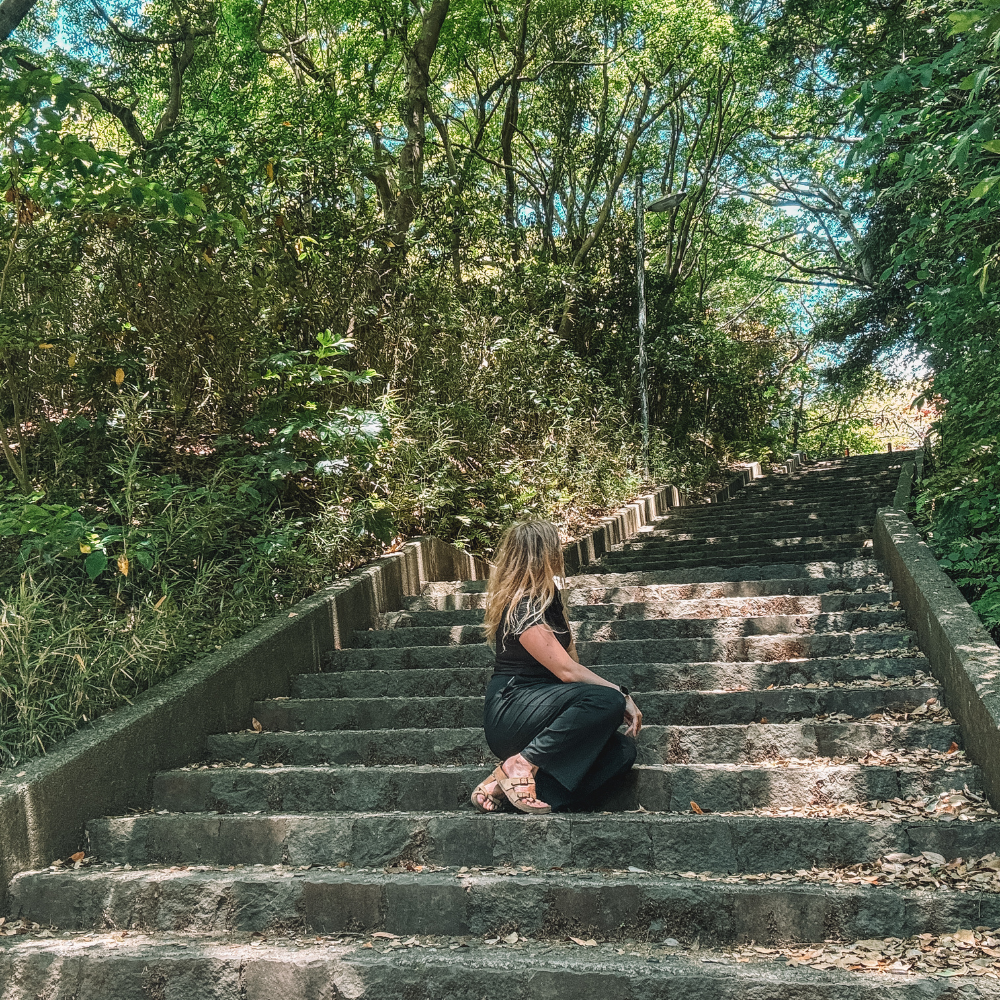
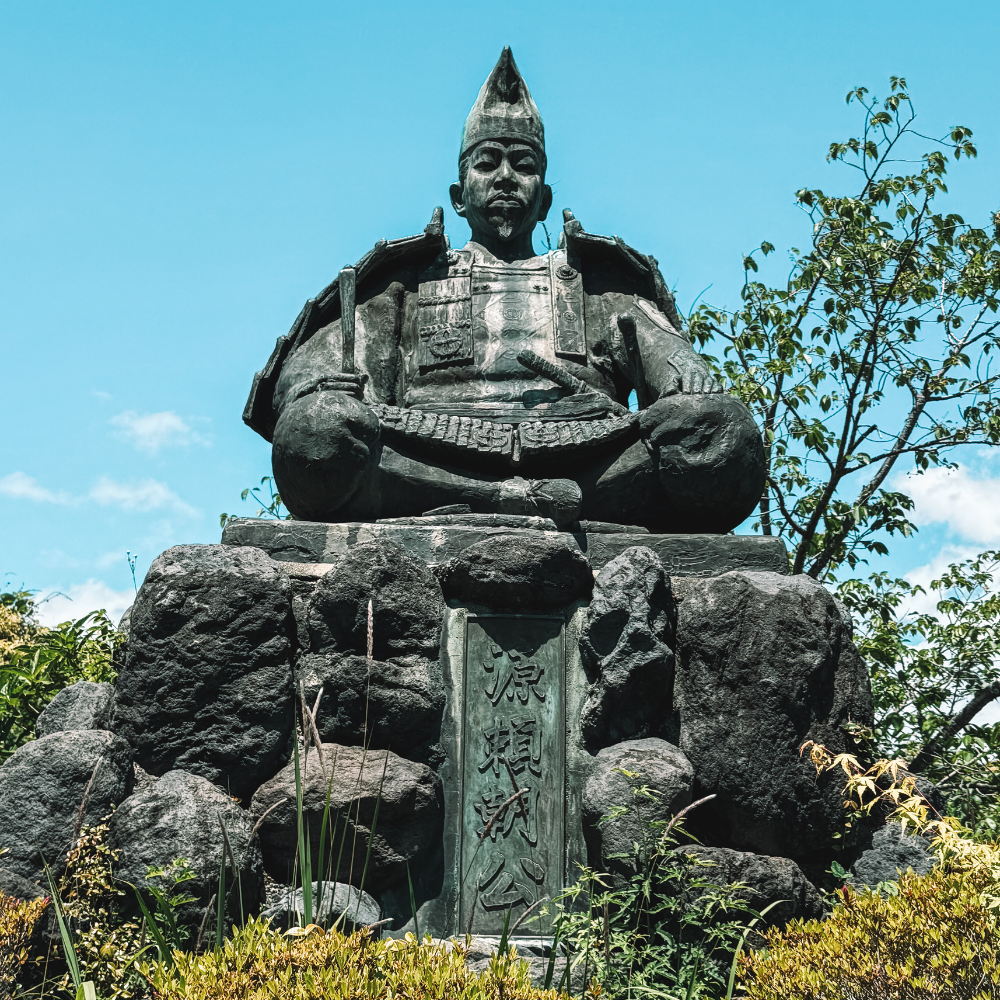
Genjiyama Park is a scenic, forested park in Kamakura known for its hiking trails, especially beautiful autumn colors, and a statue of Minamoto no Yoritomo, the first shogun of the Kamakura Shogunate.
If you’re trying to come here specifically for the statue, put that into your GPS to find it rather than just the park. I went into tons of areas trying to find it, since I had originally only entered the park name into my GPS.
Tsurugaoka Hachimangu Shrine
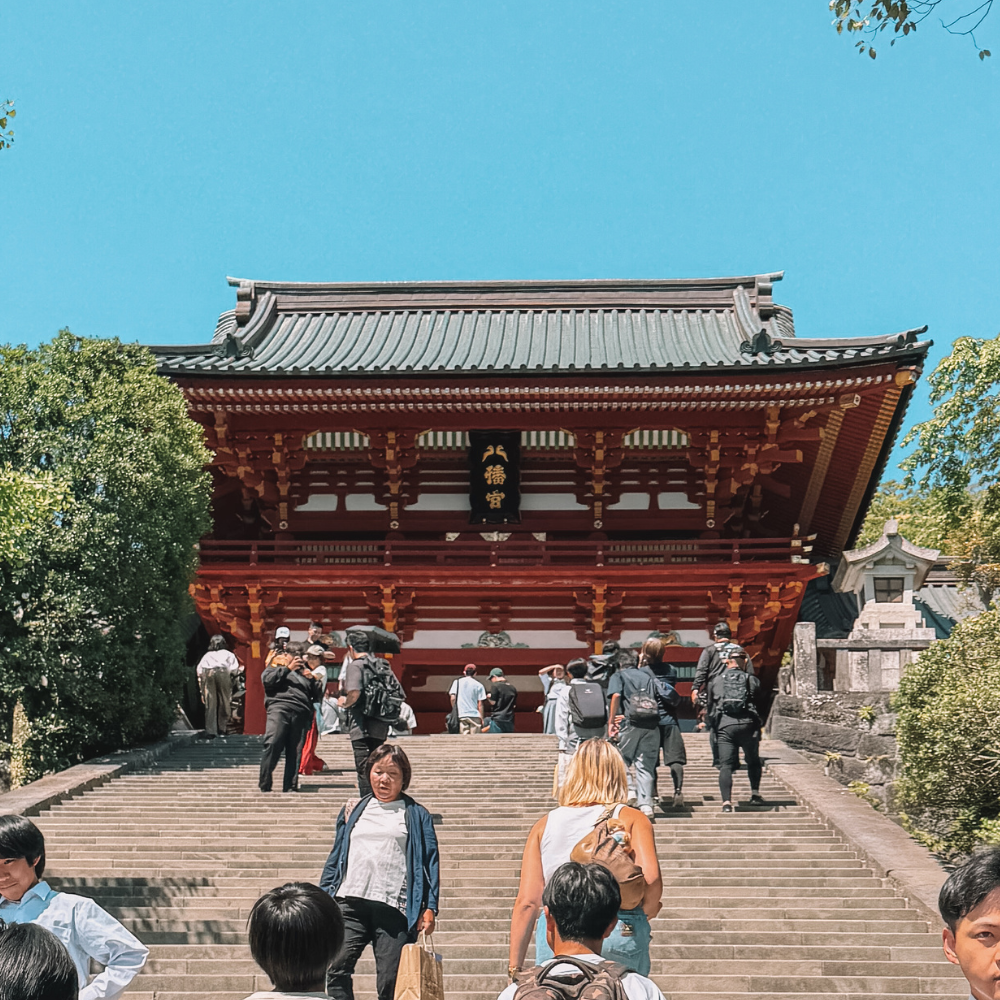
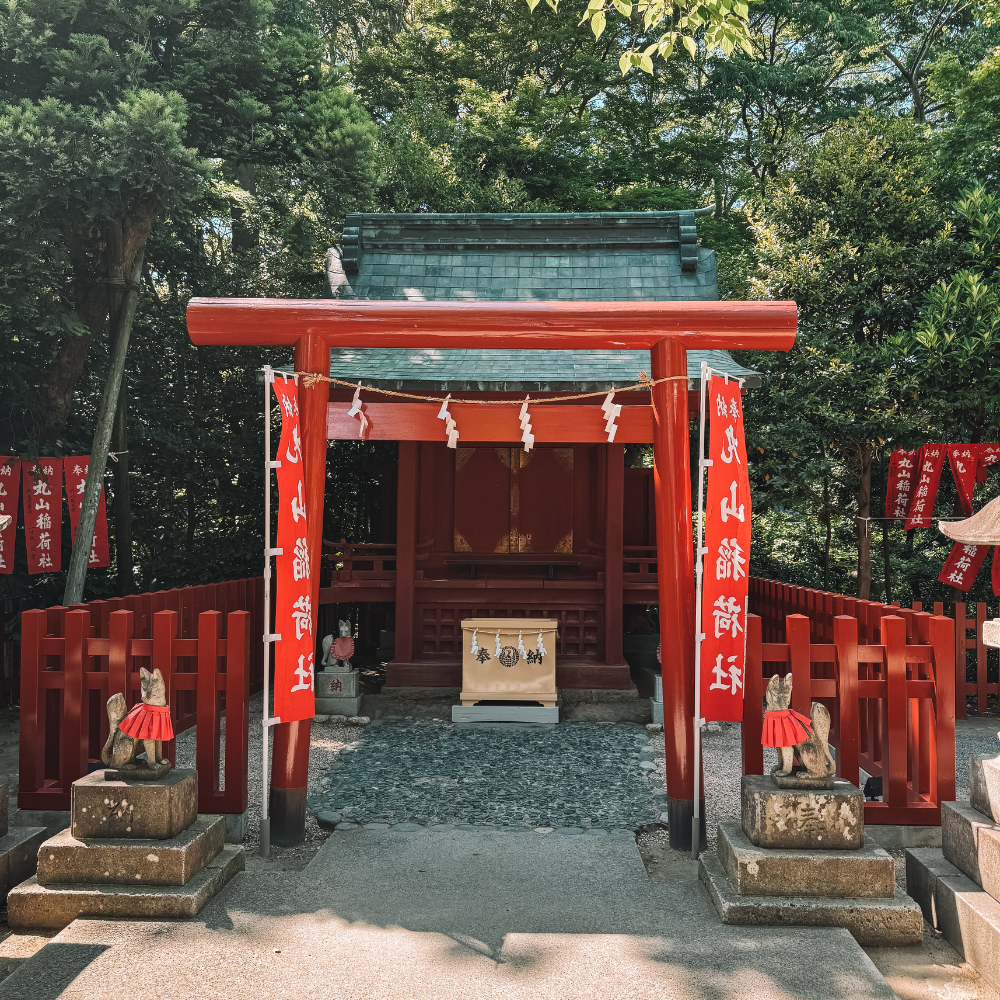
Tsurugaoka Hachimangu Shrine is the most important Shinto shrine in Kamakura, dedicated to Hachiman, the protector god of the samurai. It was first founded in 1063 by Minamoto no Yoriyoshi and later moved to its current spot in 1180 by Minamoto no Yoritomo, where it became a major spiritual center for the Kamakura shogunate.
The shrine is well known for its impressive layout, especially the long approach road lined with red torii gates. Inside, you’ll find highlights like the Genpei Ponds and the main hall, which was rebuilt in 1828. It’s also a lively cultural spot today, hosting events like New Year visits, horseback archery, and seasonal festivals, as well as a museum with historical artifacts you can check out. To be honest, most of the things on display are replicas.
The main grounds are free to see, but the museum has a ¥200 fee, which can be purchased from a vending machine near the entrance.
Komachi Dori Street
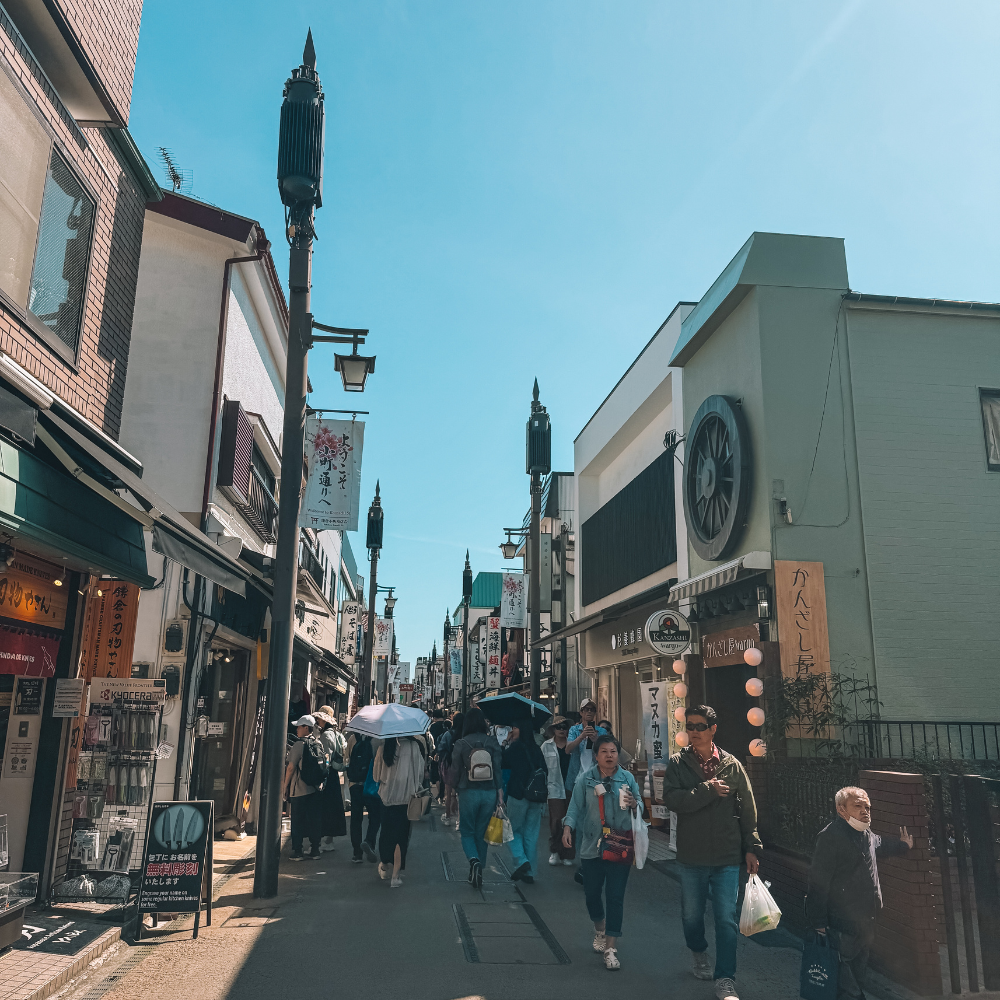
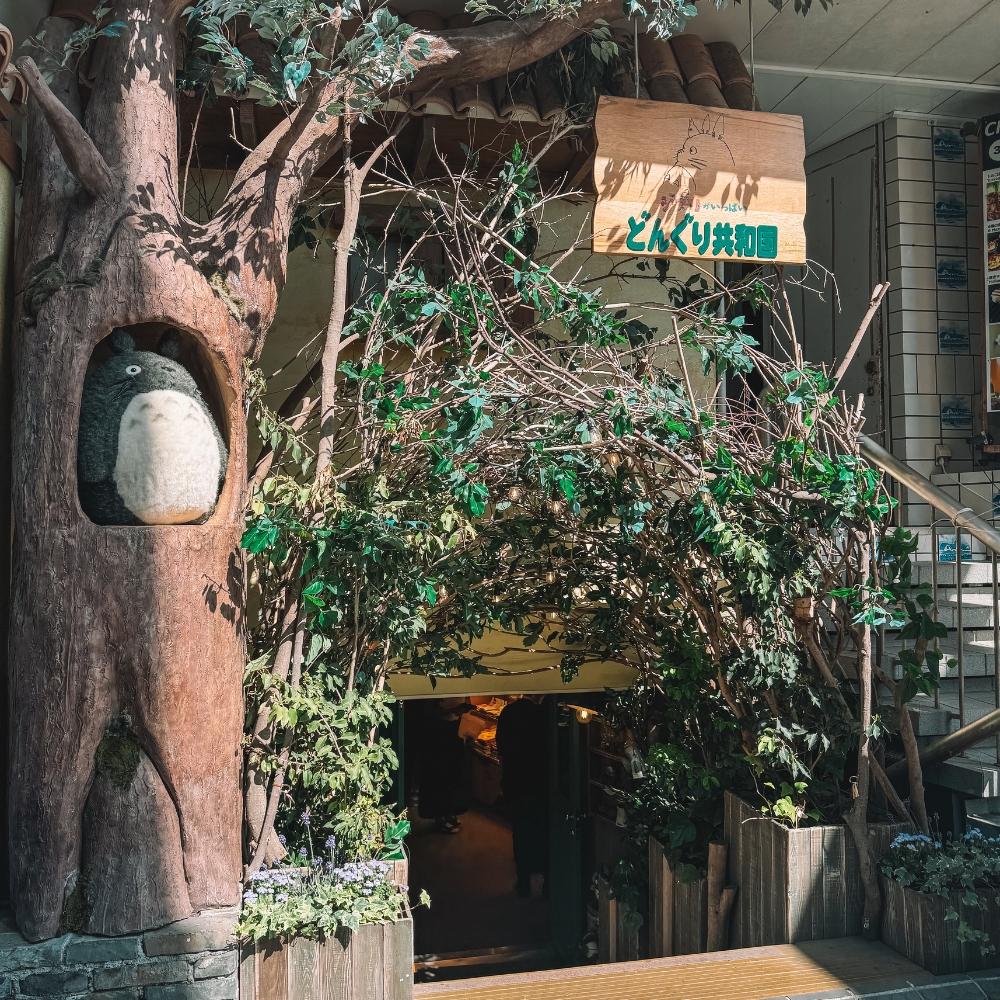
Komachi-dori Street is a busy 350-meter shopping street in Kamakura that leads toward Tsurugaoka Hachimangu Shrine. It’s packed with cafés, food stalls, and little shops, and it gets especially lively on weekends.
Some of the stores have been around for generations, which gives the street a nice mix of old-school charm and modern energy, making it a fun spot to wander, snack, and shop. For my Studio Ghibli fans, there is a shop with themed goods!
Final Thoughts
If you’re looking for a spiritual seaside escape from the hustle and bustle of Tokyo, Kamakura is a great day trip! I absolutely loved the feel of the town, with the small side streets and hidden temples. It’s a very easy town to walk through if you follow the Daibutsu Hiking Trail to the main highlights. There were lower amounts of international tourists here, and I would go back in a heartbeat!