



Taiwan is a small island off the coast of Mainland China that can often be overlooked for places like Japan or South Korea. However, it absolutely shouldn’t be! I was incredibly blessed to be selected to go on professional cultural exchange in 2018 for a three-week trip. I visited multiple businesses and attended meetings as part of this experience. But there were plenty of amazing places we got to see that I believe would be perfect for a leisure trip! As I spent the majority of my time in Taichung, I want to focus this list on places outside the capital of Taipei.
This beautiful island was also my first time to Asia so it holds an extra special place in my heart!
Nantou County
Houtanjing Sky Bridge
Nantou City, Nantou County
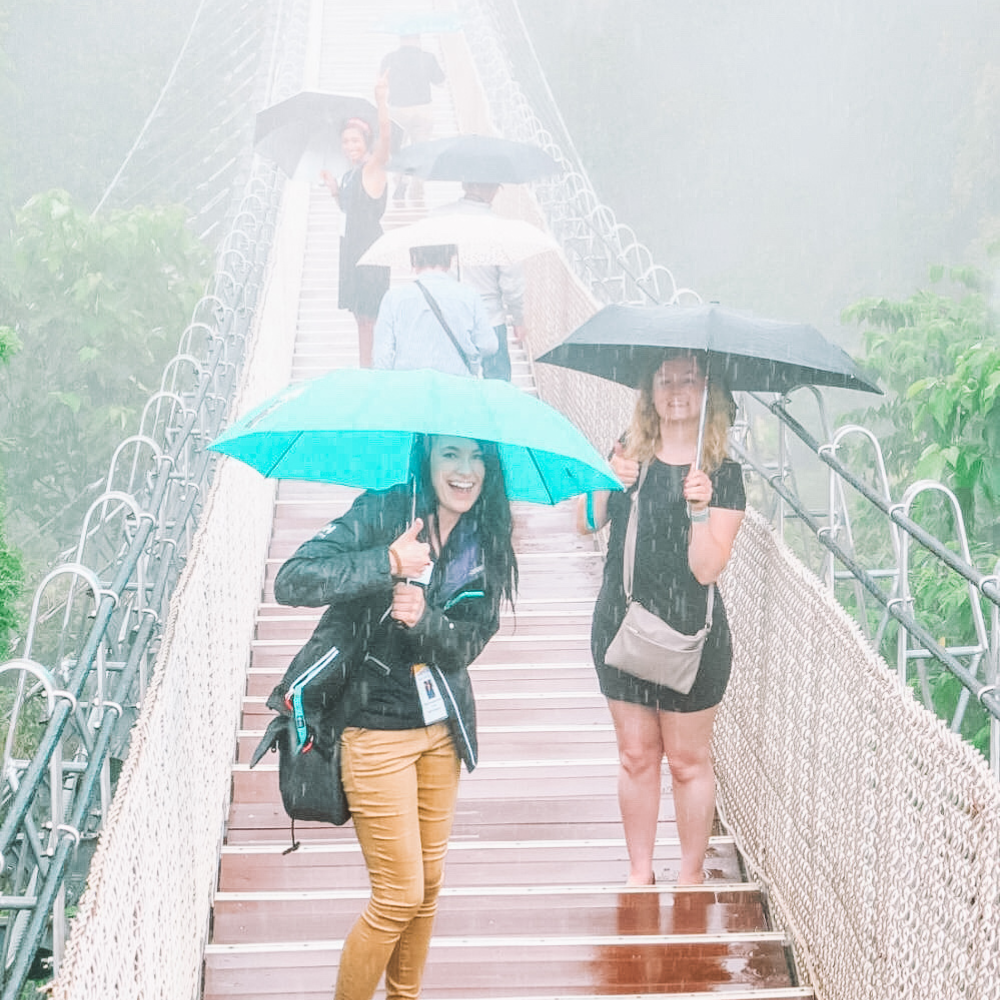
This is the longest suspension bridge in Taiwan at 204 meters (669 feet)! The scenery here is what’s truly worth the visit. Walking across the bridge over the trees and greenery is mesmerizing. There are also some vendors in the area and the park does have a small entrance fee.
Chung Tai Monastery
Puli Township, Nantou County
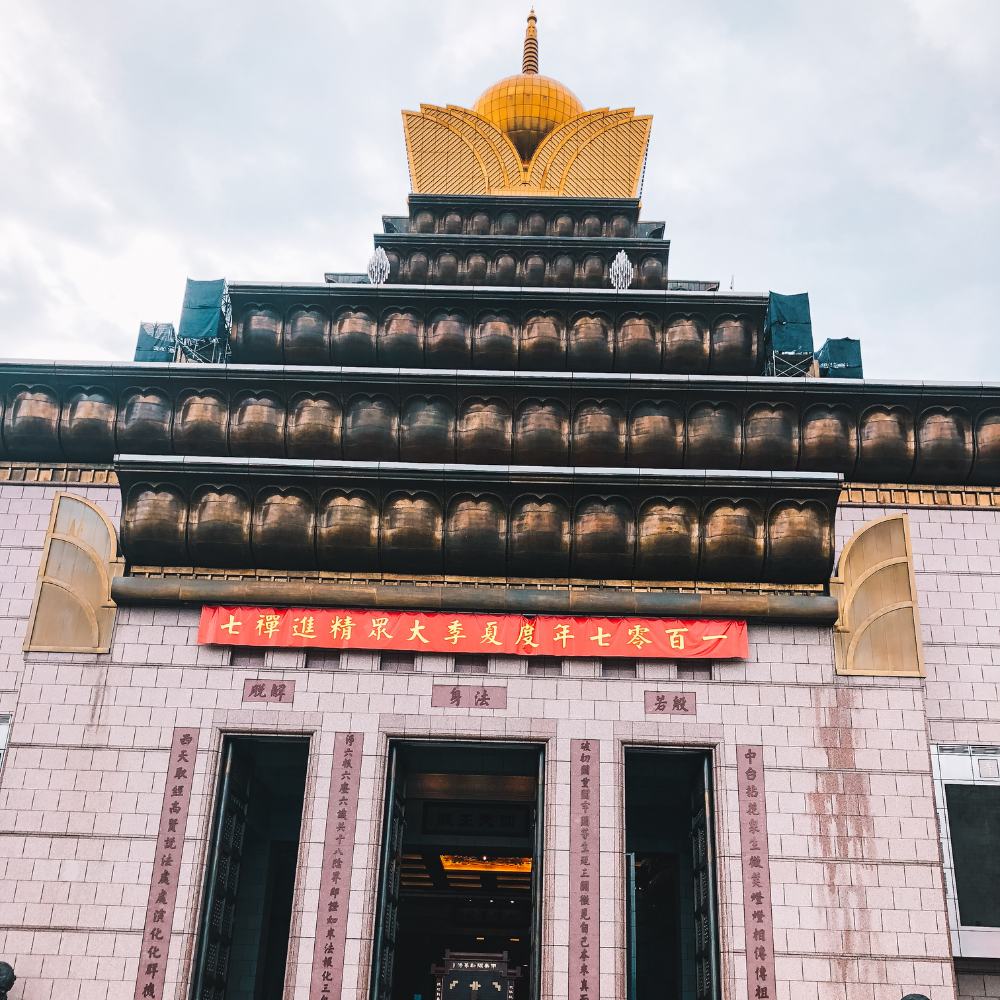
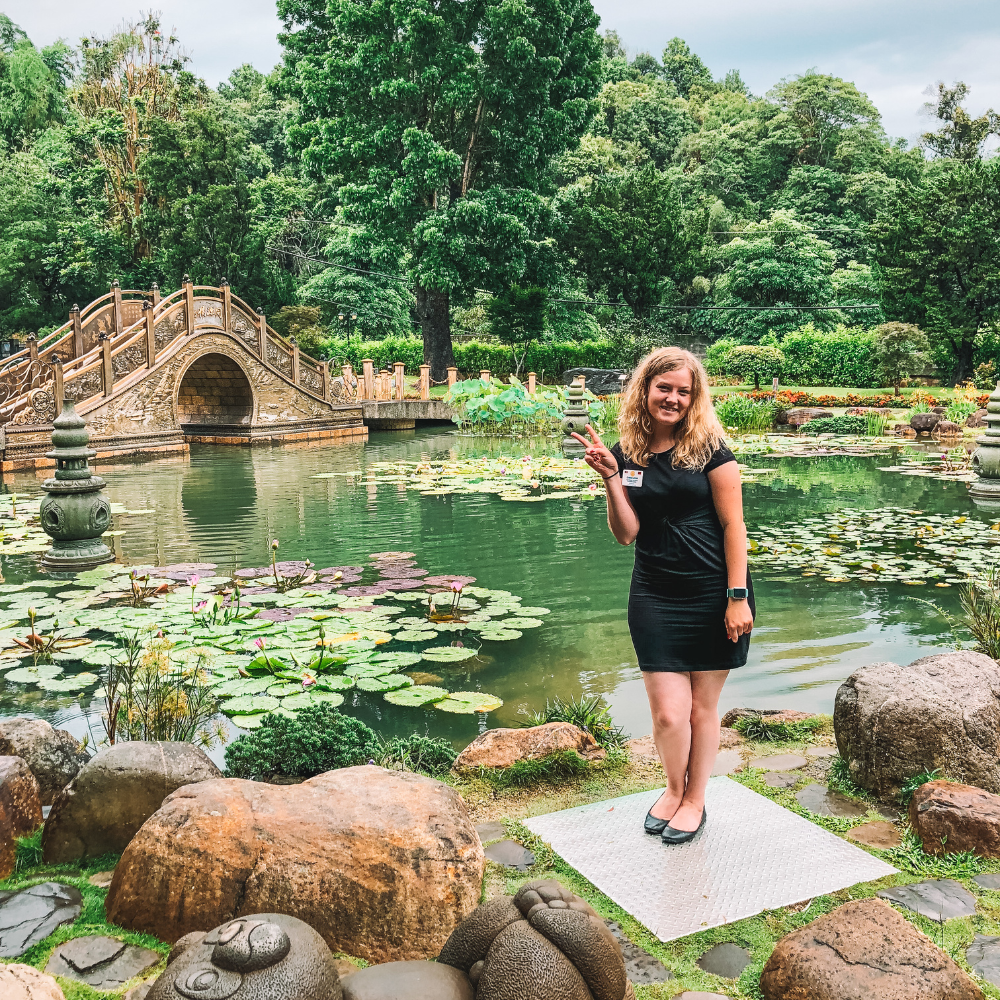
This is a Buddhist Monastery and is one of the largest in not only Taiwan, but also the world at 136 meters (446 feet). The temple was built with a mix of Eastern and Western styles and took just over a decade to build. It’s truly a beautiful sight, and they offer tours!
Inside photography is limited!
Sun Moon Lake
Yuchi, Nantou County
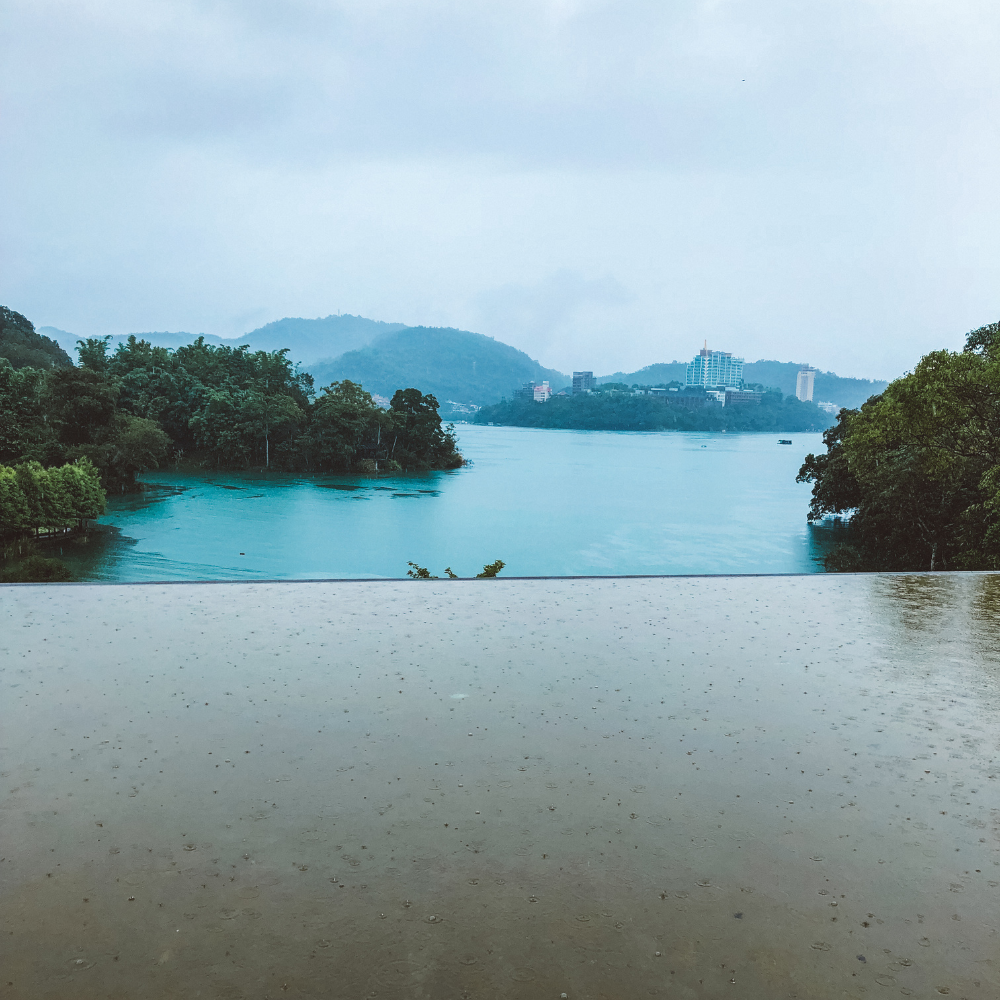
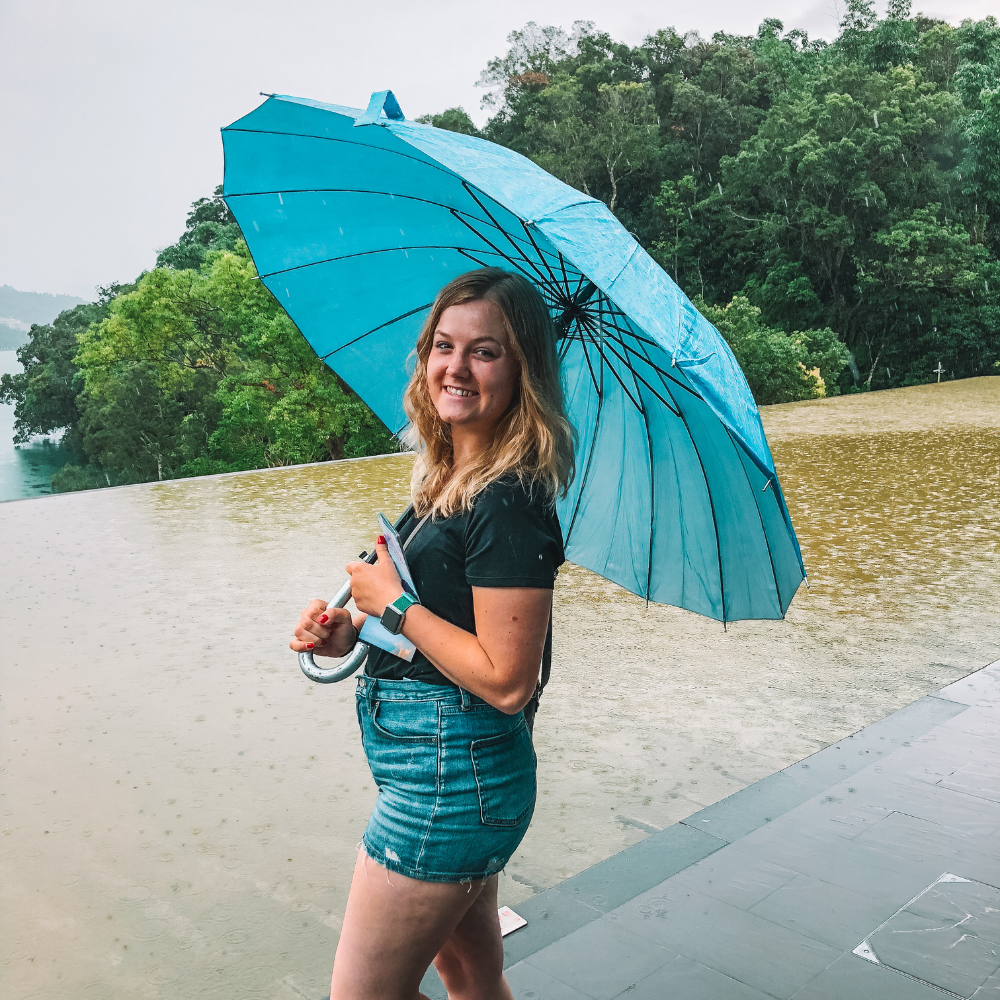
A magnificent alpine lake located in the middle of Taiwan, this is the island’s largest natural lake! It gets its name from the unique shape, with the eastern side resembling a sun and the western side a crescent moon. This area is also home to the indigenous Thao people, where you can also learn about their culture and heritage. There’s a ton to do here such as biking and hiking along the shoreline, boat rides, and cable car rides to the Formosan Aboriginal Culture Village.
Wen Wu Temple
Yuchi Township, Nantou County
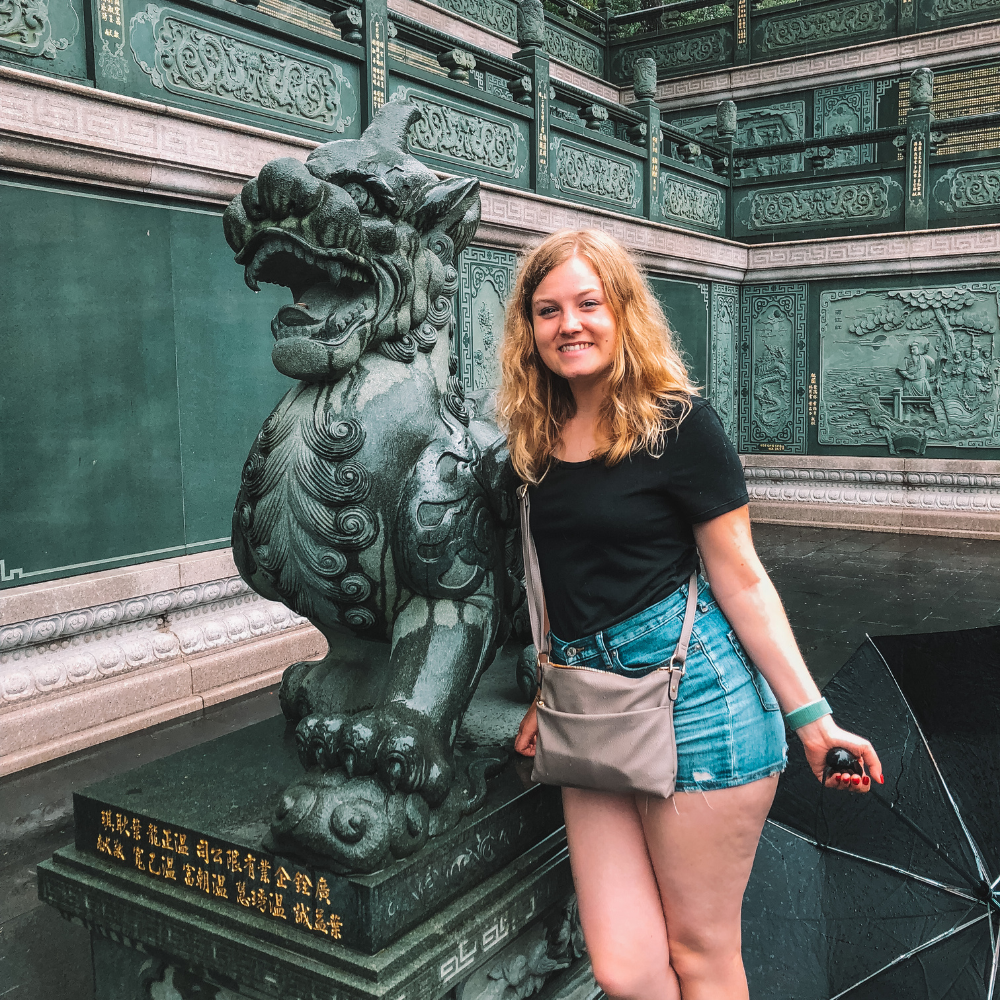
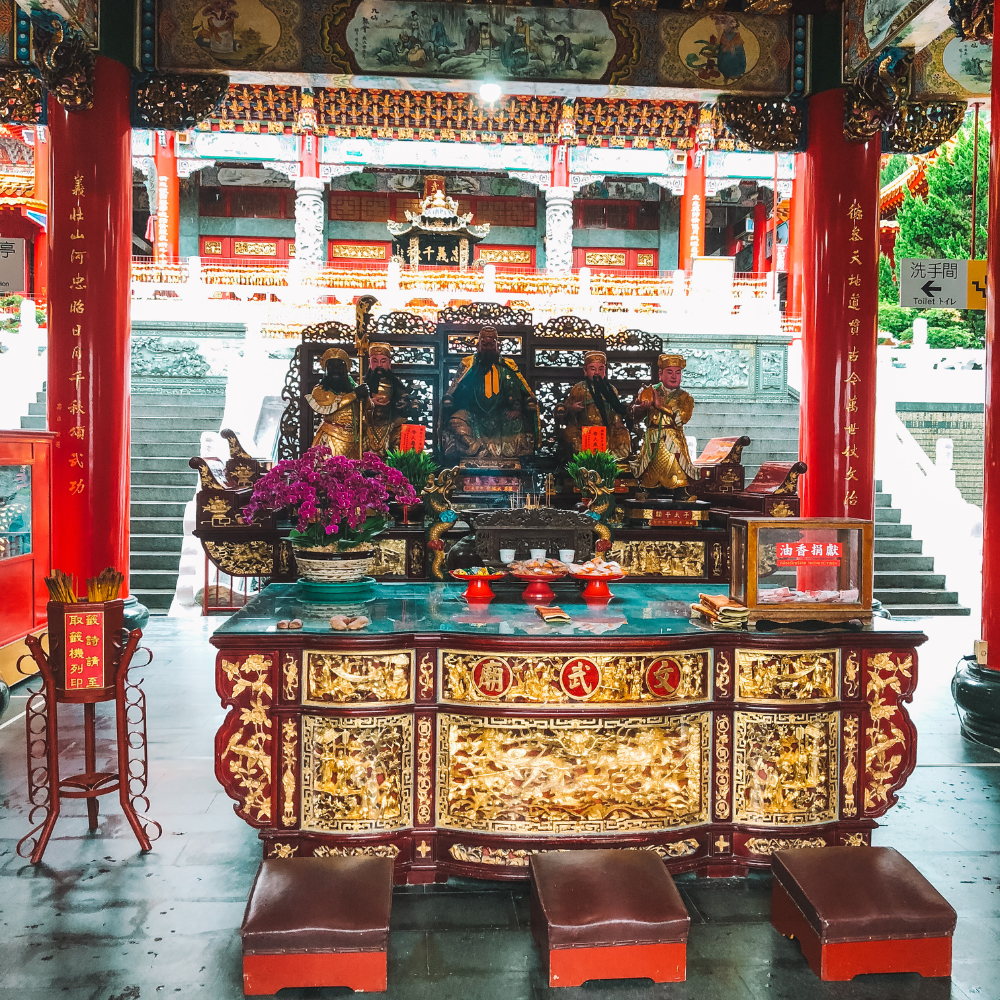
Built on the northern shore of Sun Moon Lake, is this amazing temple built with three halls: the front hall is a shrine devoted to the First Ancestor Kaiji and the God of Literature; the central hall is devoted to Guan Gong, the God of War, and the warrior-god Yue Fei; the rear hall is dedicated to Confucius. This is also the only Confucius temple in Taiwan that keeps its front door open as they receive so many visitors it’s more convenient.
This temple is absolutely gorgeous, built in the style of Northern Chinese palaces, and worth the visit!
Hugosum
Yuchi Township, Nantou County


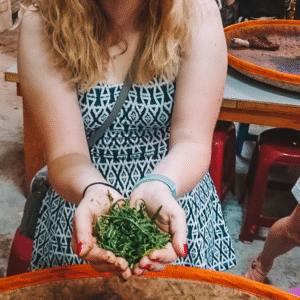
A tea plantation that specializes in Sun Moon Lake Black tea! You can pick up some souvenirs or take a tea making class, which is what my group did. You get to roll and dry out the tea yourself, and then take your final loose tea home to enjoy. This was a really fun and unique activity, plus they have teas, and tea flavored snacks to enjoy while you wait for yours to dry!
Taichung
Gaomei Wetlands
Qingshui District, Taichung City
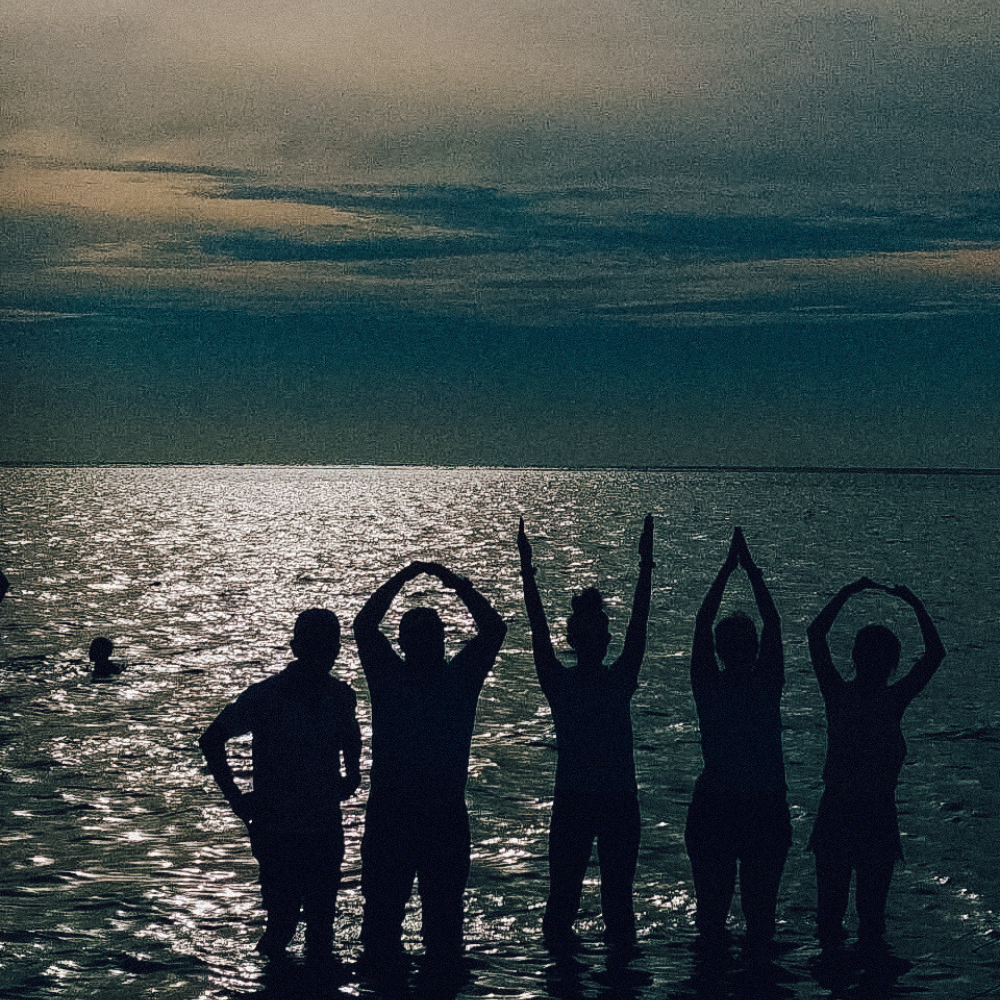
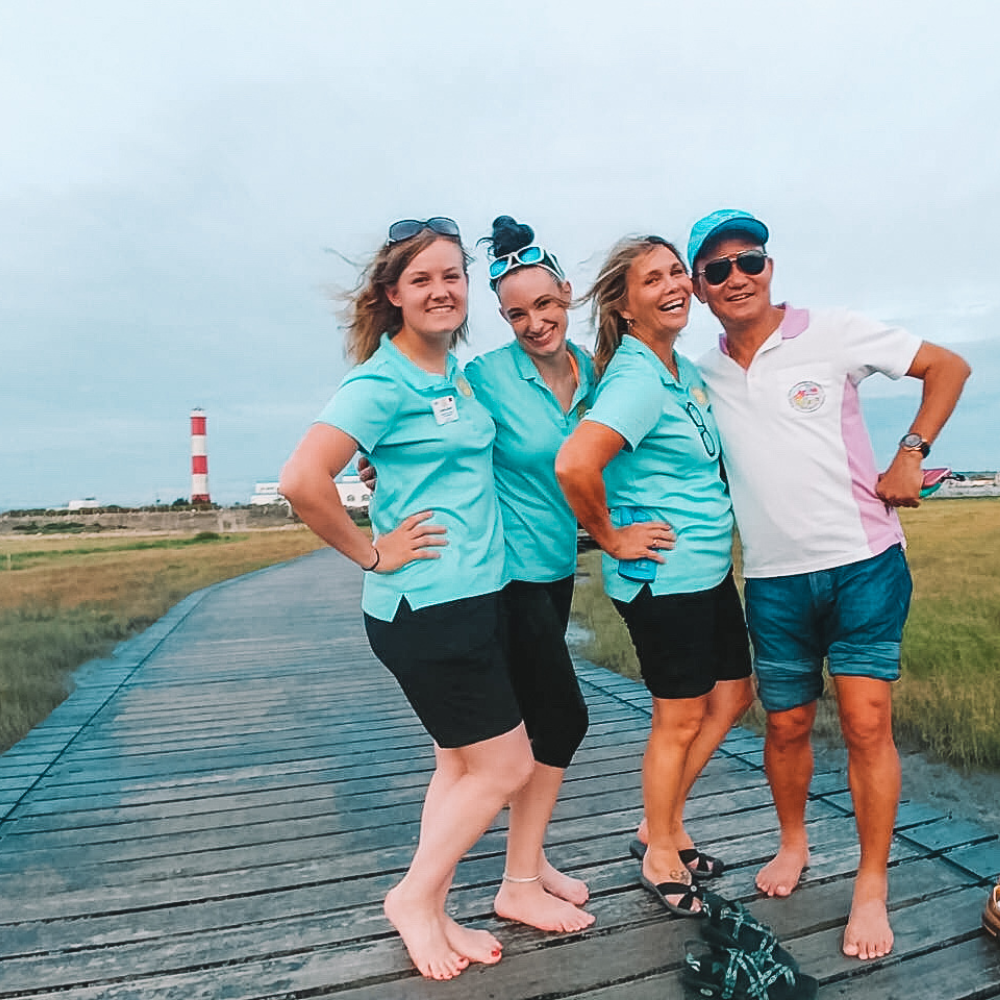
Officially, Gaomei Wetland Preservation Area, it’s located on the south part of Dajia River and is known for its mudflats at low tides. These mudflats stretch for miles, and you can see wildlife such as fiddler crabs, mudskippers, birds, and amphibious fish. There are some walkways, but you should take off your shoes and get in the mud! Just look out for the crabs as there were tons of them!
Coming here for the sunset would be best, as it’s one of the most beautiful I’ve ever seen.
Deer Gaomei Cafe
Qingshui District, Taichung City
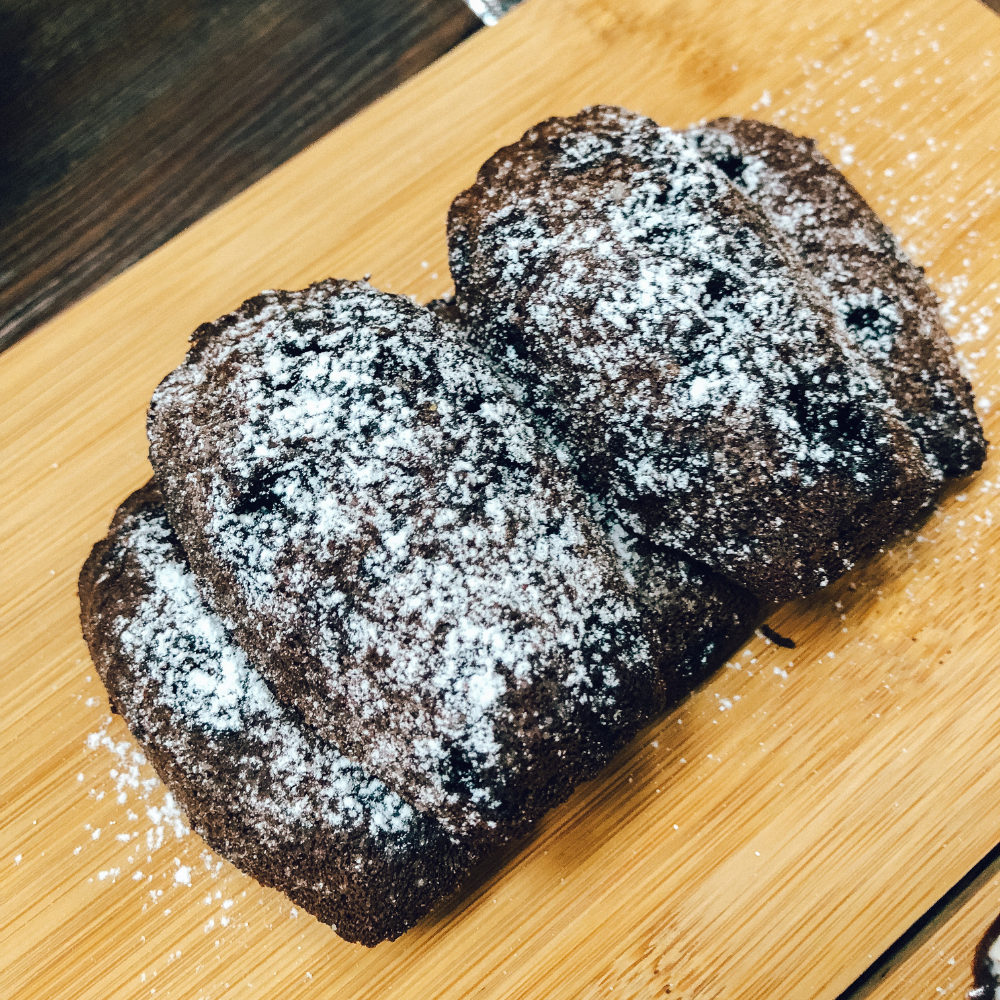
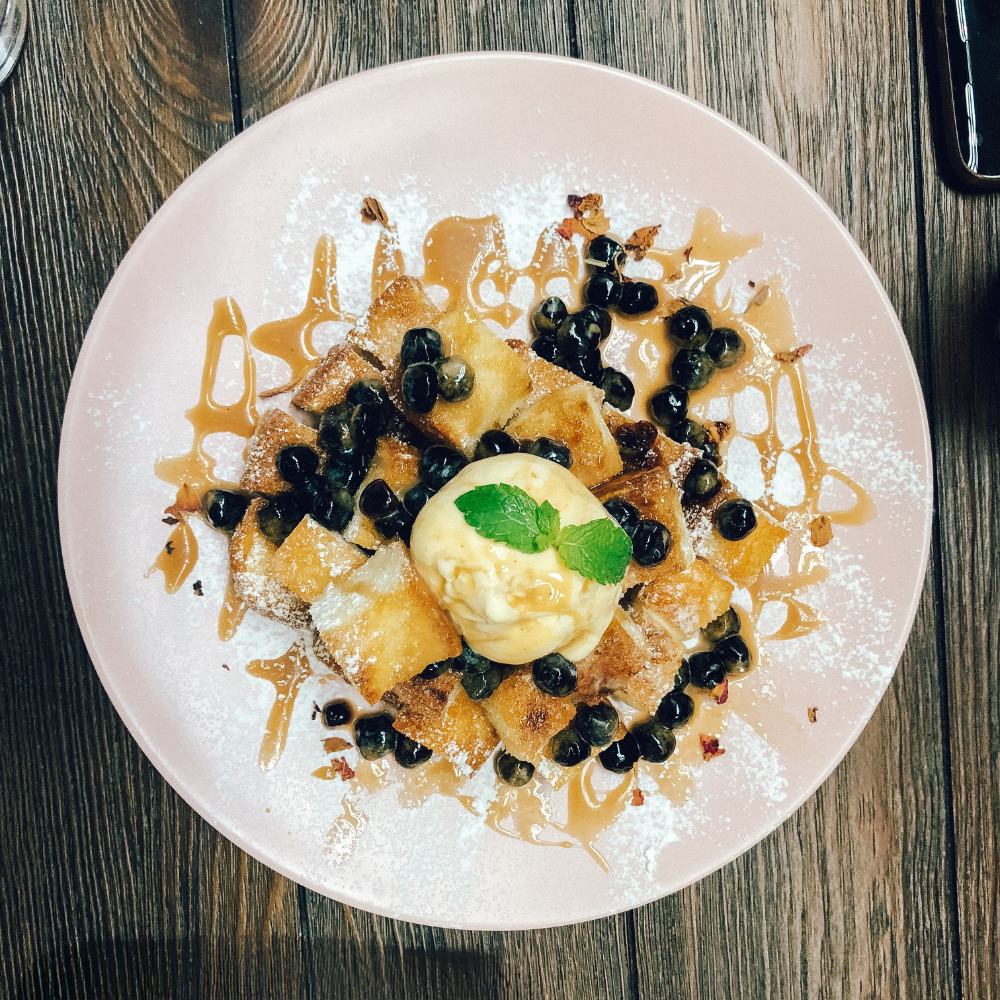
Located right near the Geomei Wetlands, this café is a great place to relax with a delicious snack! The ambiance is very cute and their chocolate madelines and French toast pieces with boba and ice cream are to die for!
Taichung Night Market
Taichung
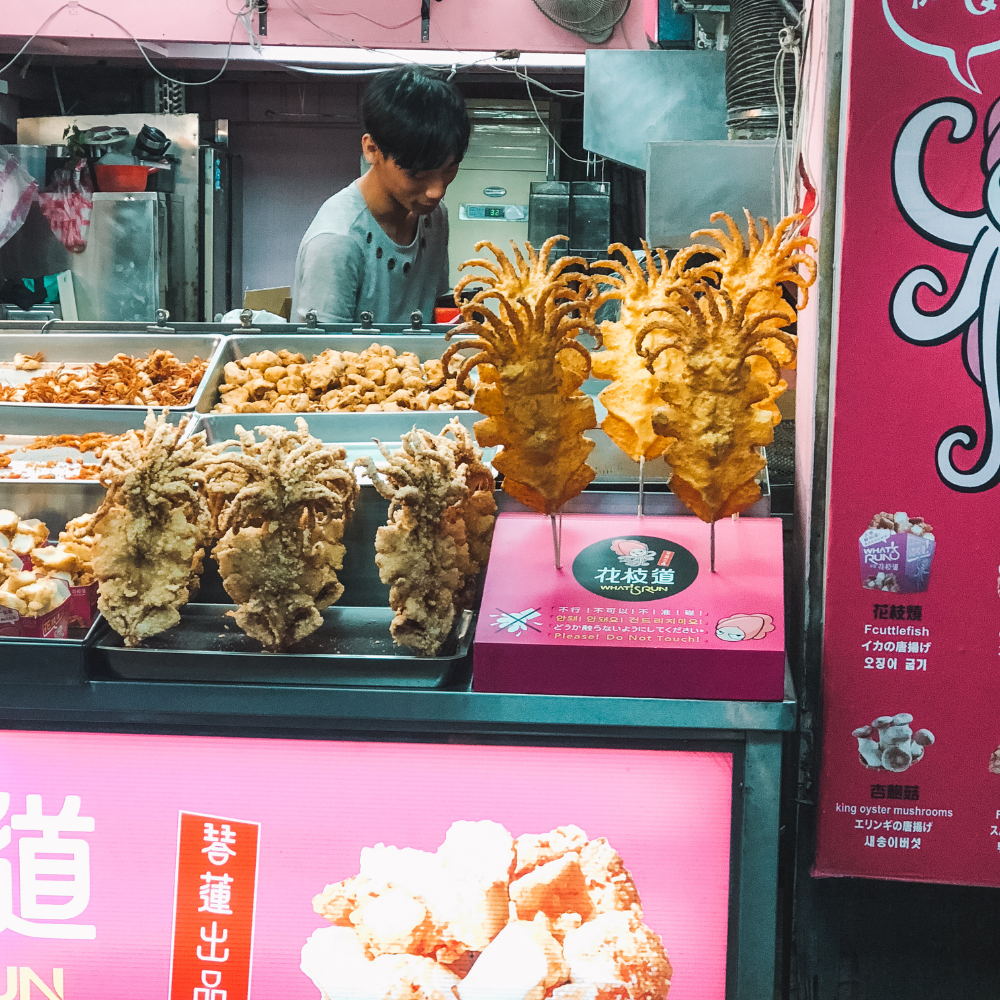
Unfortunately, I’m not sure which night market we were taken to, but Taichung, and Taiwan in general have great night markets! Think tons of stalls with amazing food from grilled meats to noodles and sweets. You can also find performances, games, and more. I would not skip going to a Taiwanese night market!
Taichung Park
North District, Taichung
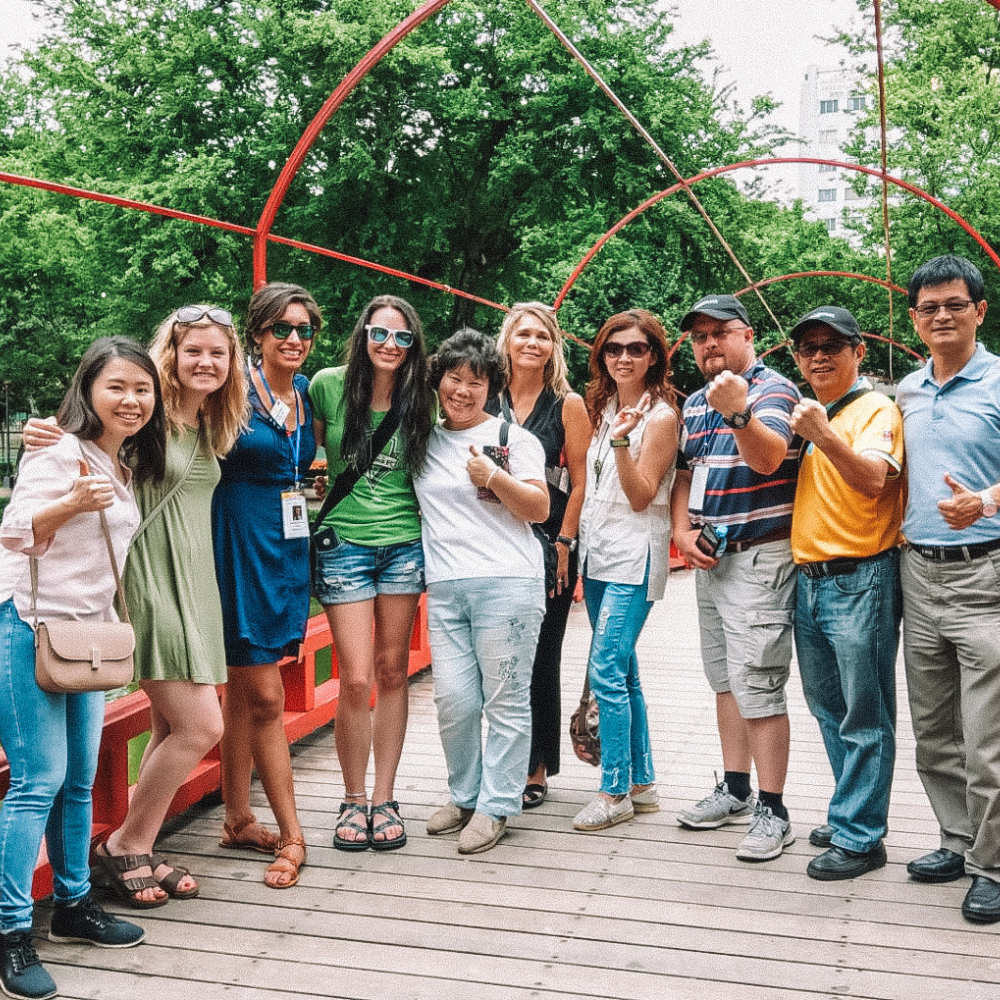
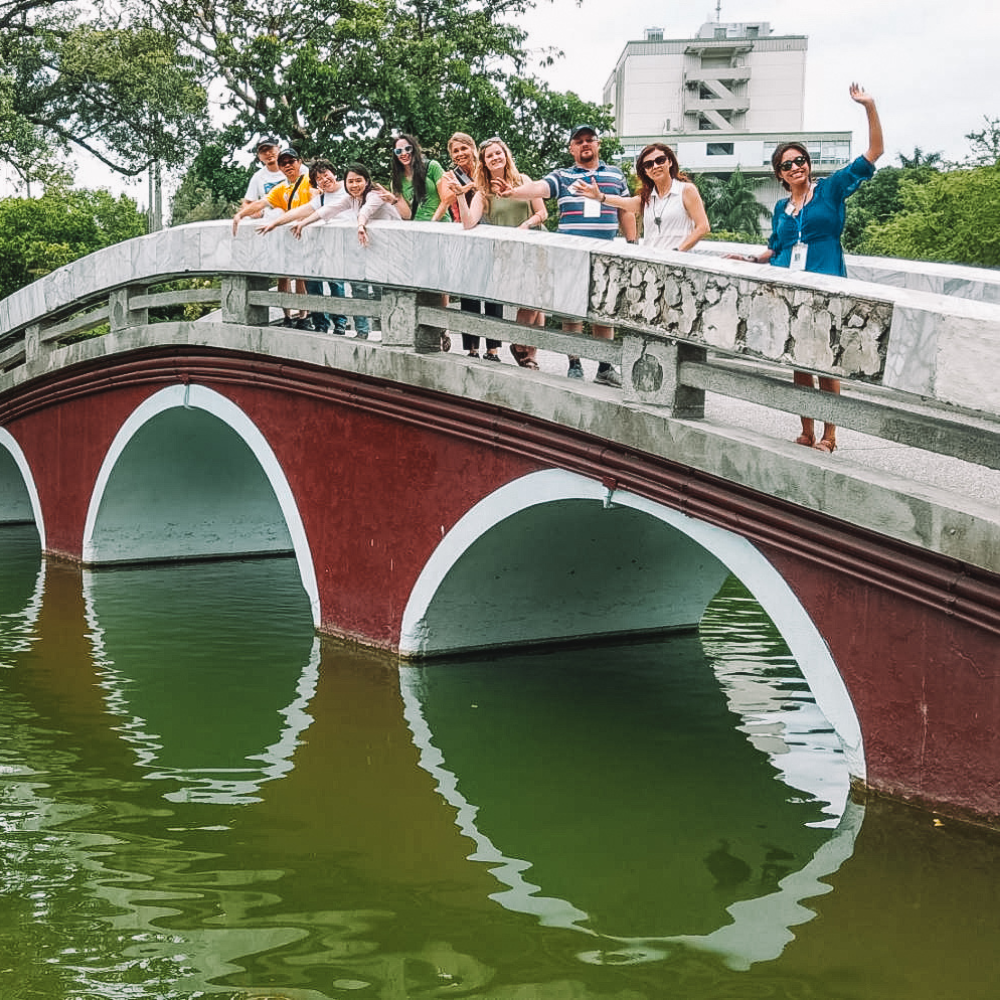
This is the oldest park in Taichung city and was built during the Japanese-ruling era. It features beautiful greenery, a man-made pond with fish, an arch bridge, and more over 10 acres. The park also has recreational spaces such as a tennis court, stadium, and playground. Inside, Houxing Pavilion was built in 1908 and was established as a city-designated historical site in 1999.
I personally found this park to be a tranquil and relaxing place. It’s really worth your time to walk through!
National Taichung Theatre
Xitun District, Taichung City
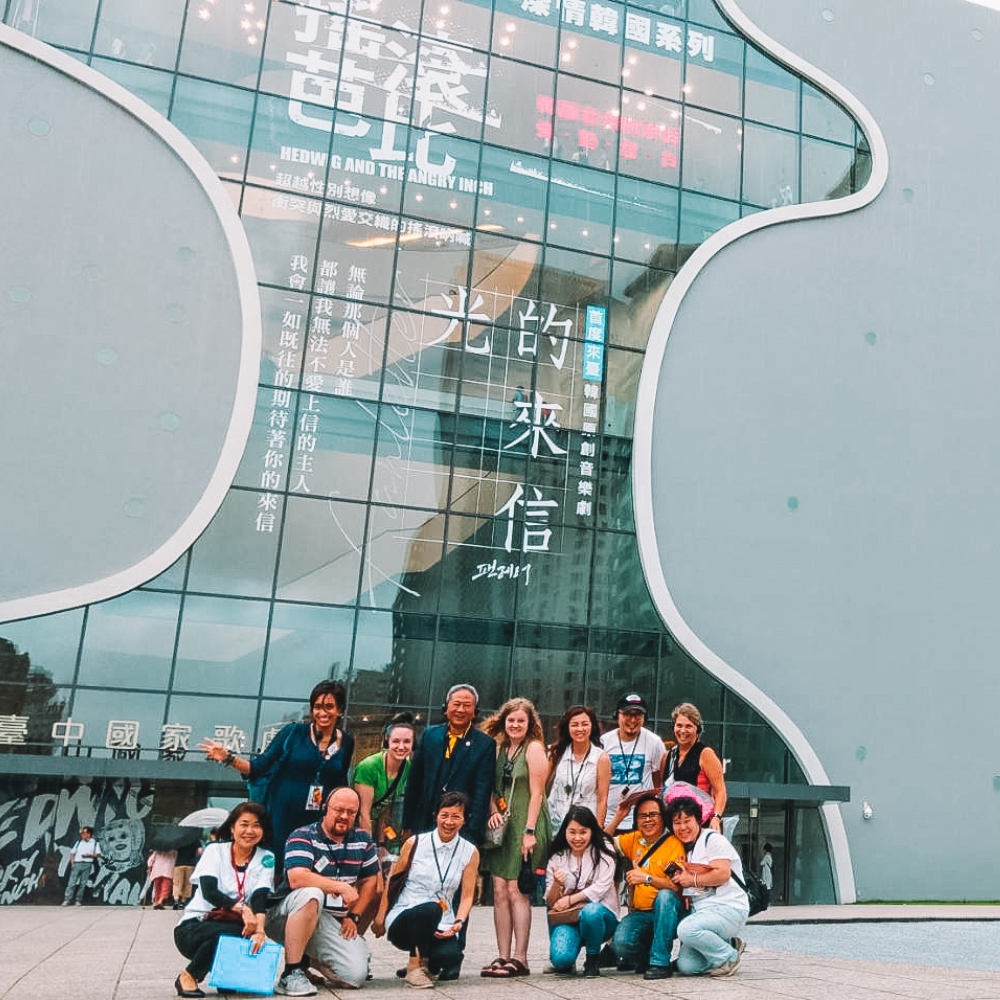
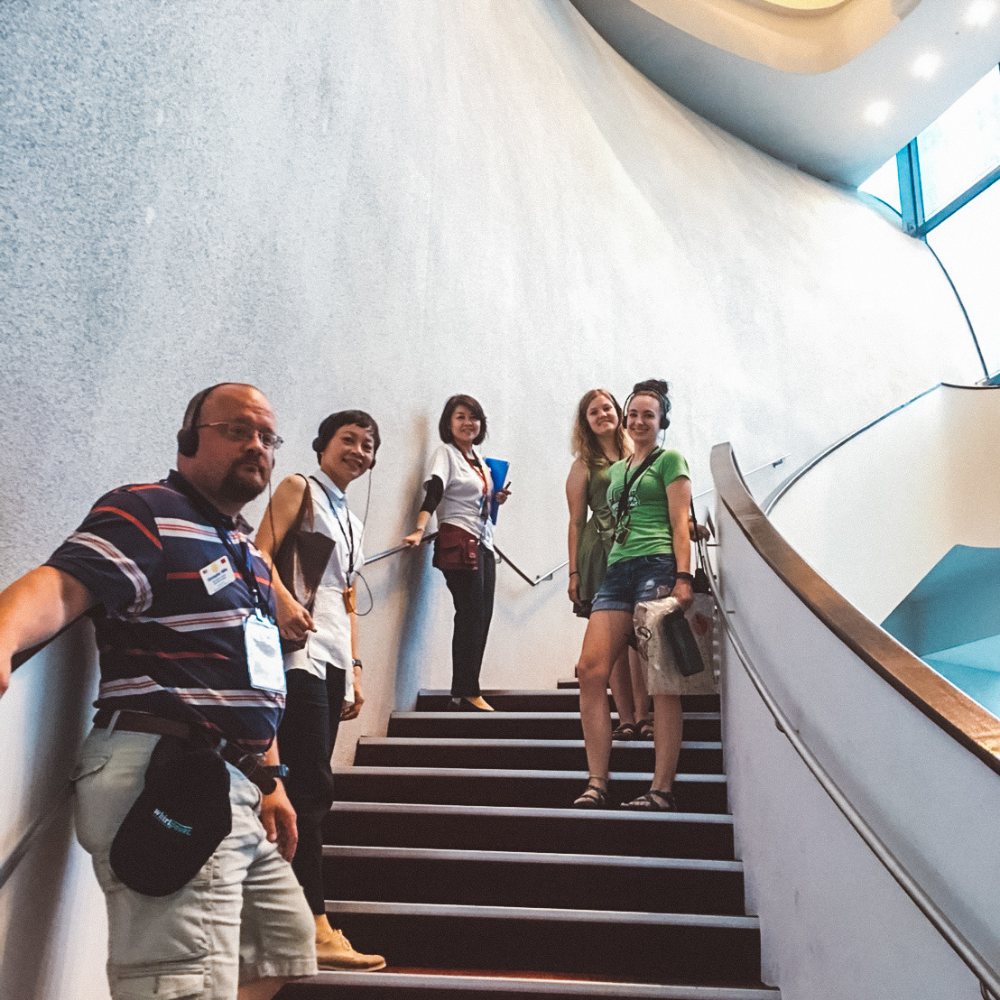
This theatre is a marvel of architecture! Inside are three performance spaces, ranging from a grand hall to an experimental stage. I highly recommend taking a tour as it was fascinating to learn about. My group also saw an orchestra performance during our visit in one of the smaller theatres. If you’re able to catch a show here, that would really make your time here extra special!
921 Earthquake Museum
Wufeng District, Taichung City
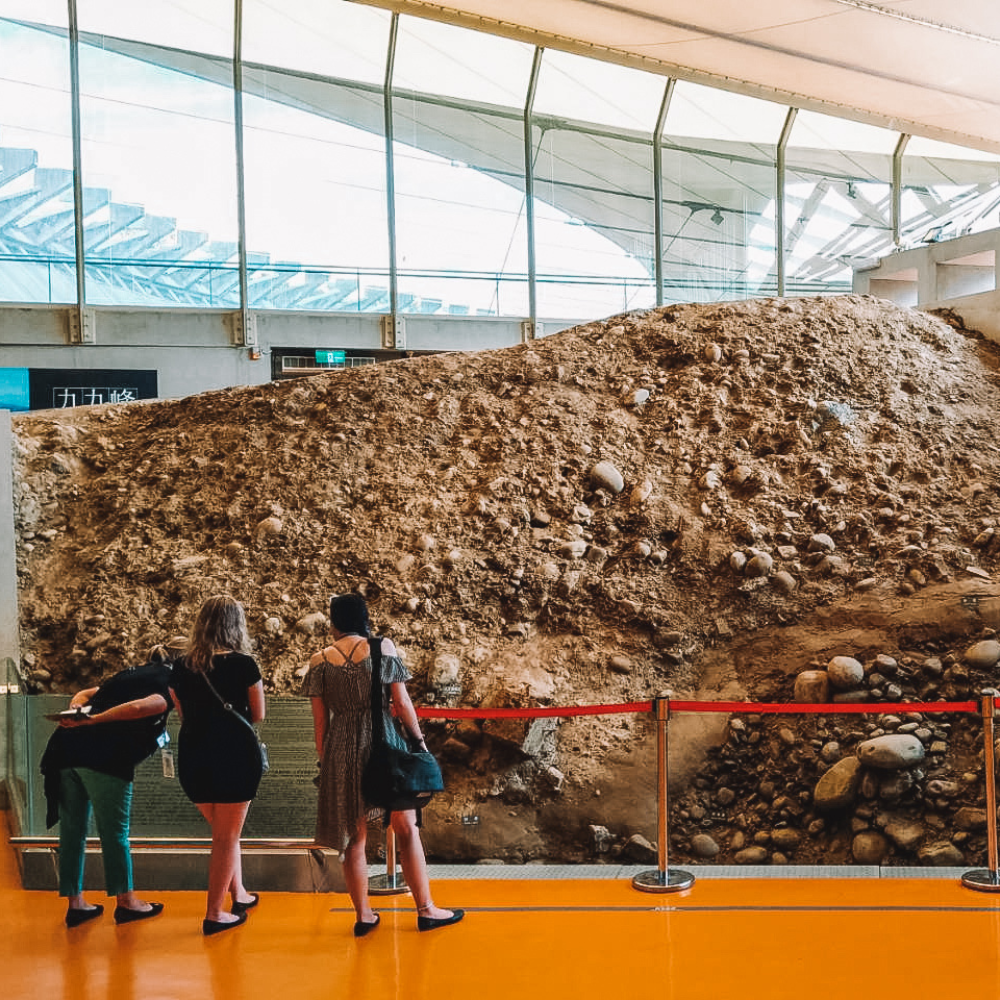
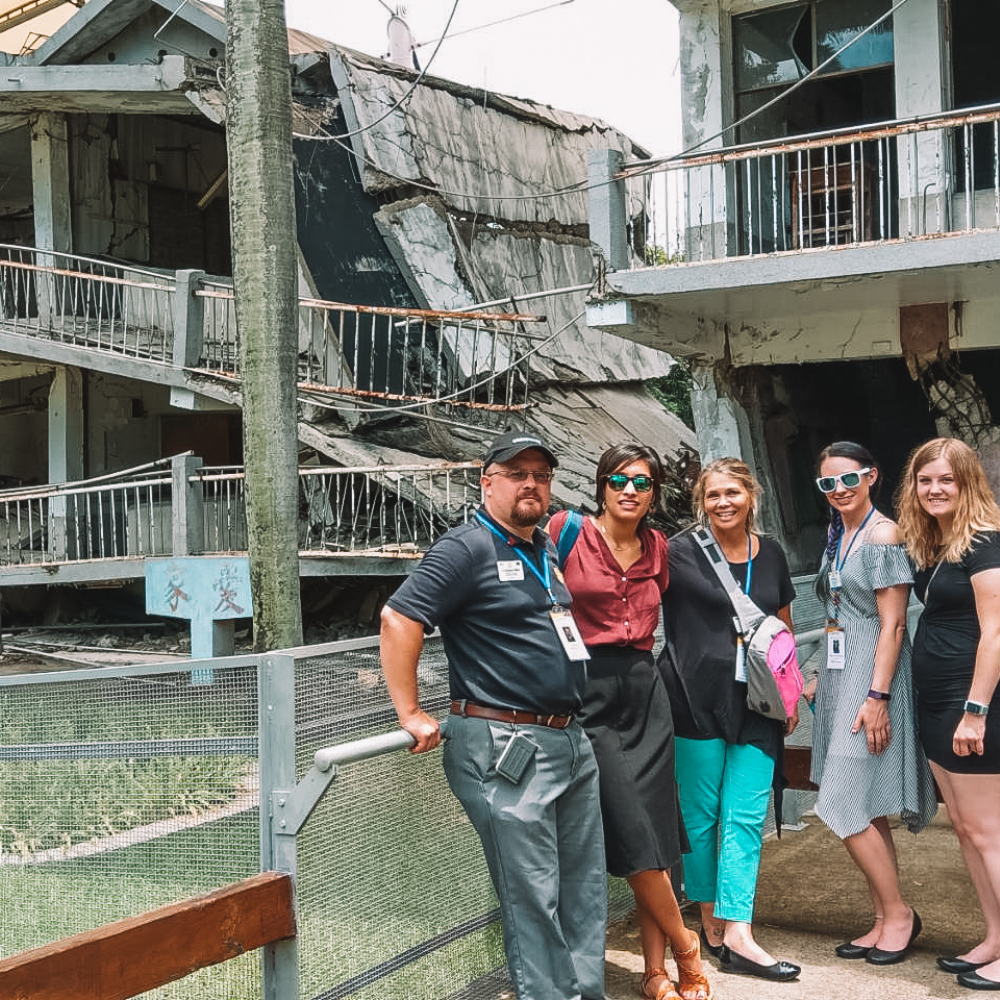
This museum is dedicated to the 7.3-magnitude earthquake that struck central Taiwan on Tuesday, 21 September 1999 at 01:47:12.6 TST. It’s located at the site of the former Guangfu Junior High School, where significant damage occurred. Visitors can test building stability, learn about base isolation, shear walls, and damping systems, and even experience a simulated earthquake in the Earthquake Experience Theatre. The Earthquake Engineering Hall demonstrates structural failures and modern earthquake-resistant construction techniques through interactive exhibits.
This tragic event claimed many lives, but is a large part of Taiwan’s modern history. Seeing so much of the damage was emotional to me, but I believe this is a good place to learn more about this incredible nation and earthquake safety.
Rainbow Village
Nantun District, Taichung City
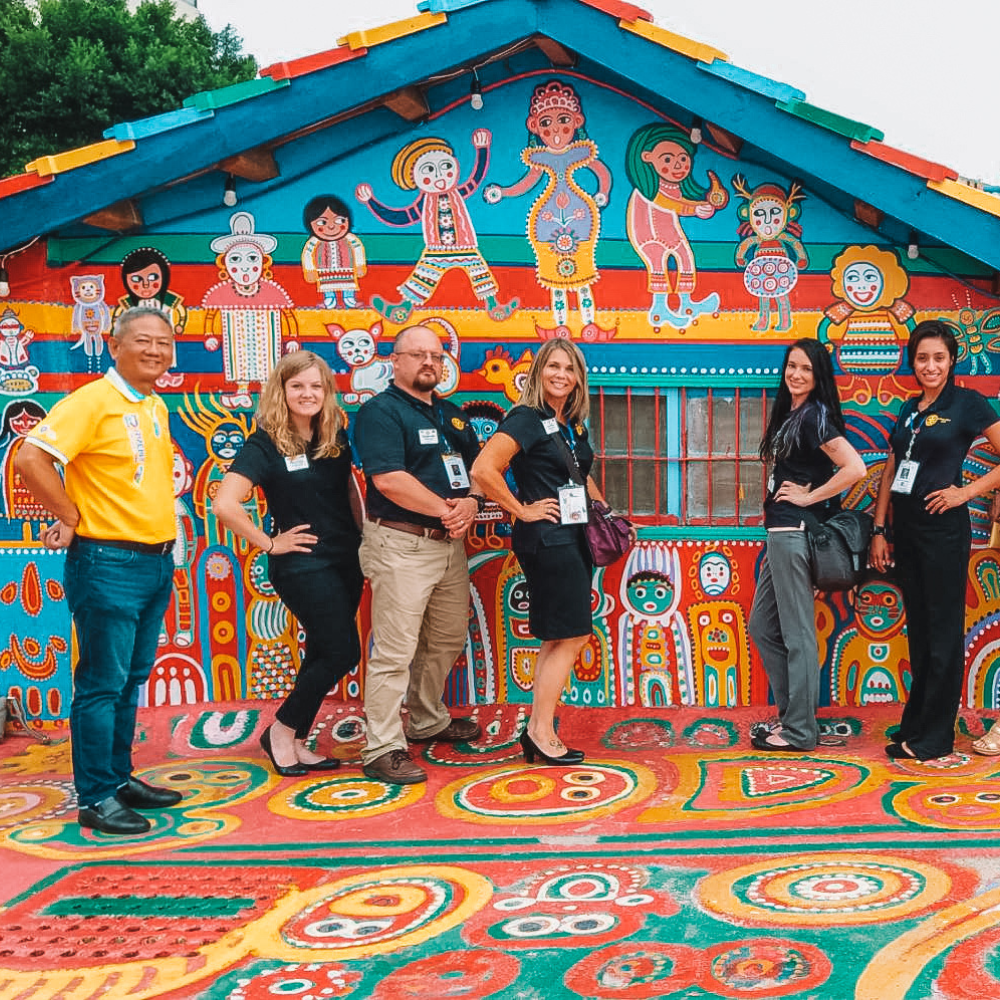
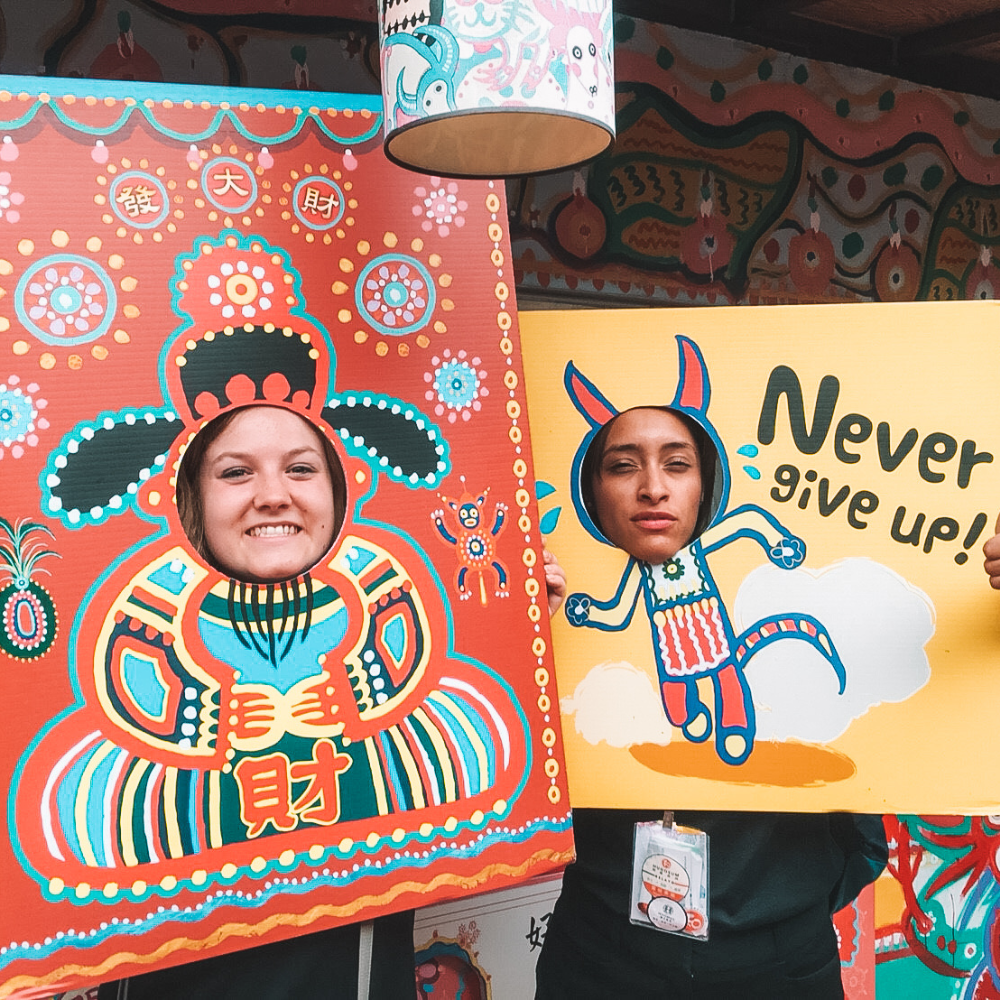
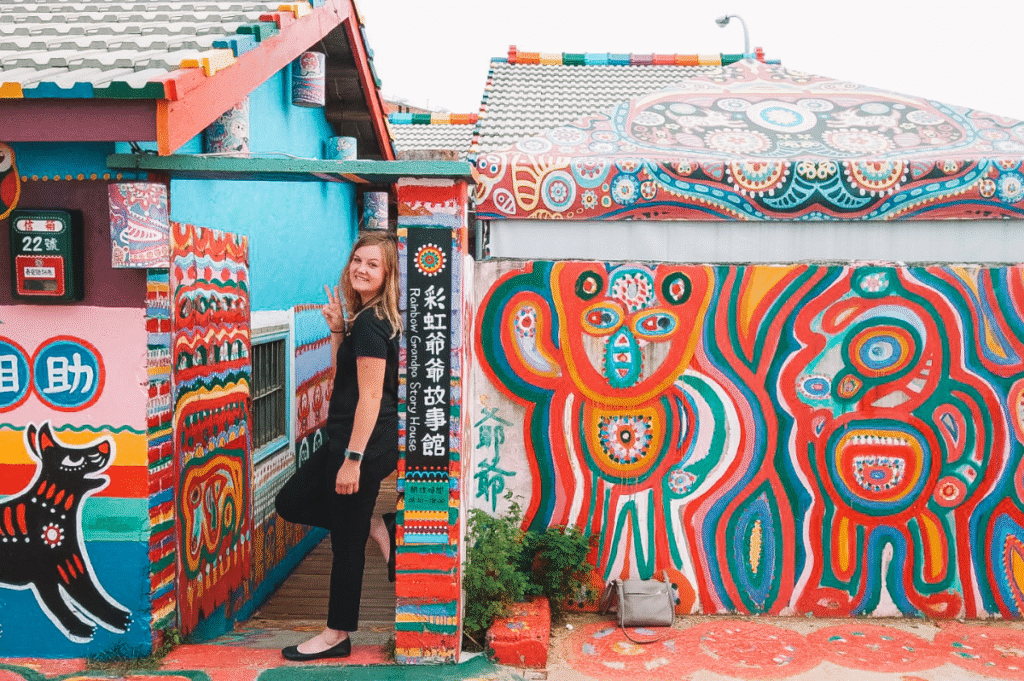
A former military dependents’ village transformed into a vibrant street art site! Originally having 1,200 homes, the village was slated for demolition and resident Huang Yung-Fu, a former soldier born in 1924, began painting his home in 2007 in order to say goodbye to it. His colorful murals throughout the village caught the attention of tourists and other people, which lead to the effort of saving it and making is a public park in 2014.
The park now attracts millions of visitors a year! Huang, became known as “Grandpa Rainbow,” and lived to the age of 100, passing away on January 23, 2024. He still lived in his house after the village became a park, and I was actually fortunate to see him during my visit in 2018.
Dajia Jenn Lann Temple
Dajia District, Taichung City

Daijia Jenn Lann Temple is one of the most famous Matzu Temples in Taiwan with over 200 years of history. The temple opened in 1730, the 8th year of Yongzheng Era of the Qing Dynasty. The temple has pilgrimages all year long and is an absolutely beautiful place to visit!
The inner part of the temple is small, but you’ll notice the statues of Matzu and the breath taking craftmanship of the building.
Changhua County
Lukang Tianhou Temple
Lukang Township, Changhua County

Also known as the Lukang Mazu Temple and dedicated to the Chinese Goddess Mazu, the Goddess of Sea and Patron Deity of fishermen. It is one of Taiwan’s most famous and popular Mazu temples! It was first built in 1725, but underwent extensive renovations and repairs during the Japanese Colonial Era and after the takeover of Taiwan. The rear hall is the only one that remains originally intact and is where the precious stone carvings from the Qing dynasty are kept.
The entire area is insanely beautiful, but I also recommend you make sure to look at the coffered ceilings as they’re extremely detailed and unique!
Taiwan Glass Gallery & Glass Temple
Lukang Township, Changhua County
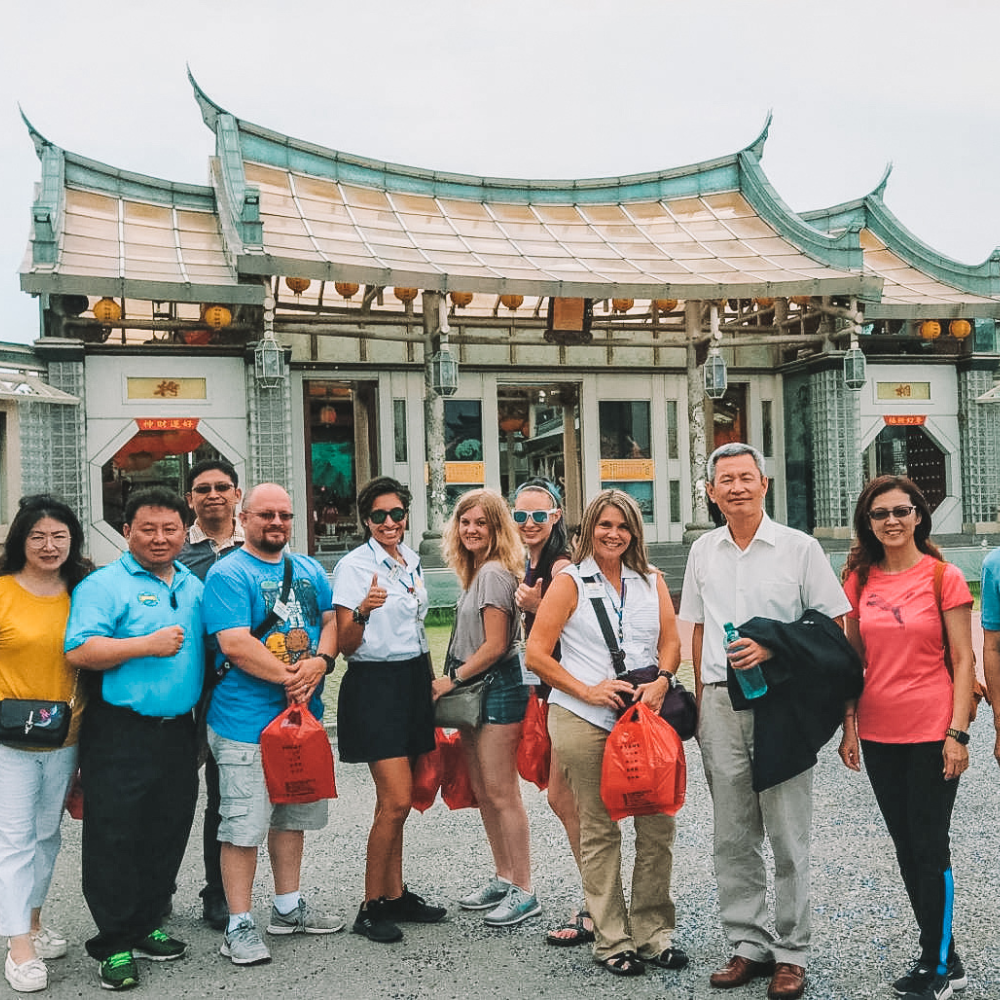

The first temple in Taiwan to be made entirely of glass! The complex combines Taiwan’s ecology, art, glass in daily life, record-breaking works, and allows visitors to experience the glassmaking process to learn about the uses and fun of glass.
The gallery features mesmerizing glass pieces and art that aims to bring the world of glass and glassmaking to the public. It’s divided up into: Glass Information Gallery, Art Gallery, Outdoor Glass Plaza, and Lifestyle Products Gallery. You can experience the art, glassmaking and blowing, and even buy souvenirs to take home. If you choose to dine here, the serving ware is also made of glass, which you can wash and keep!
Great Buddha Statue of Baguashan
Changhua City, Changhua County
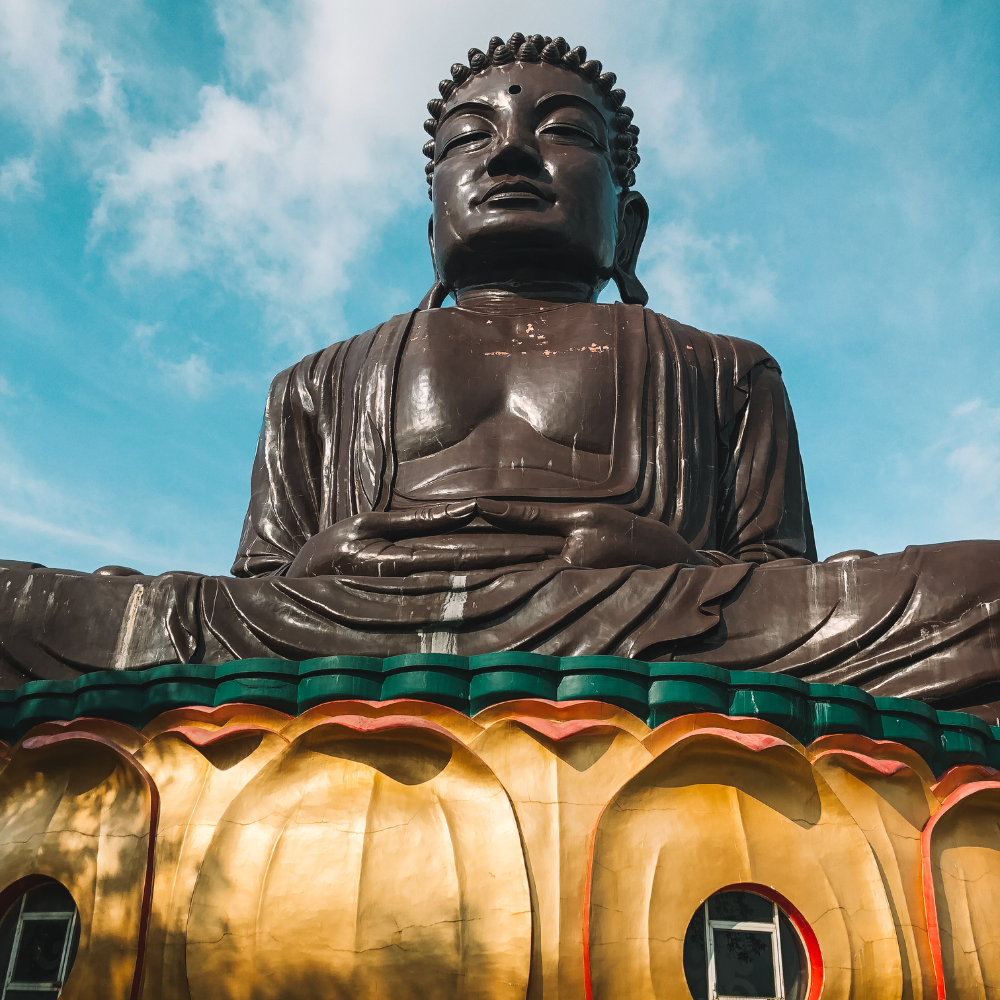
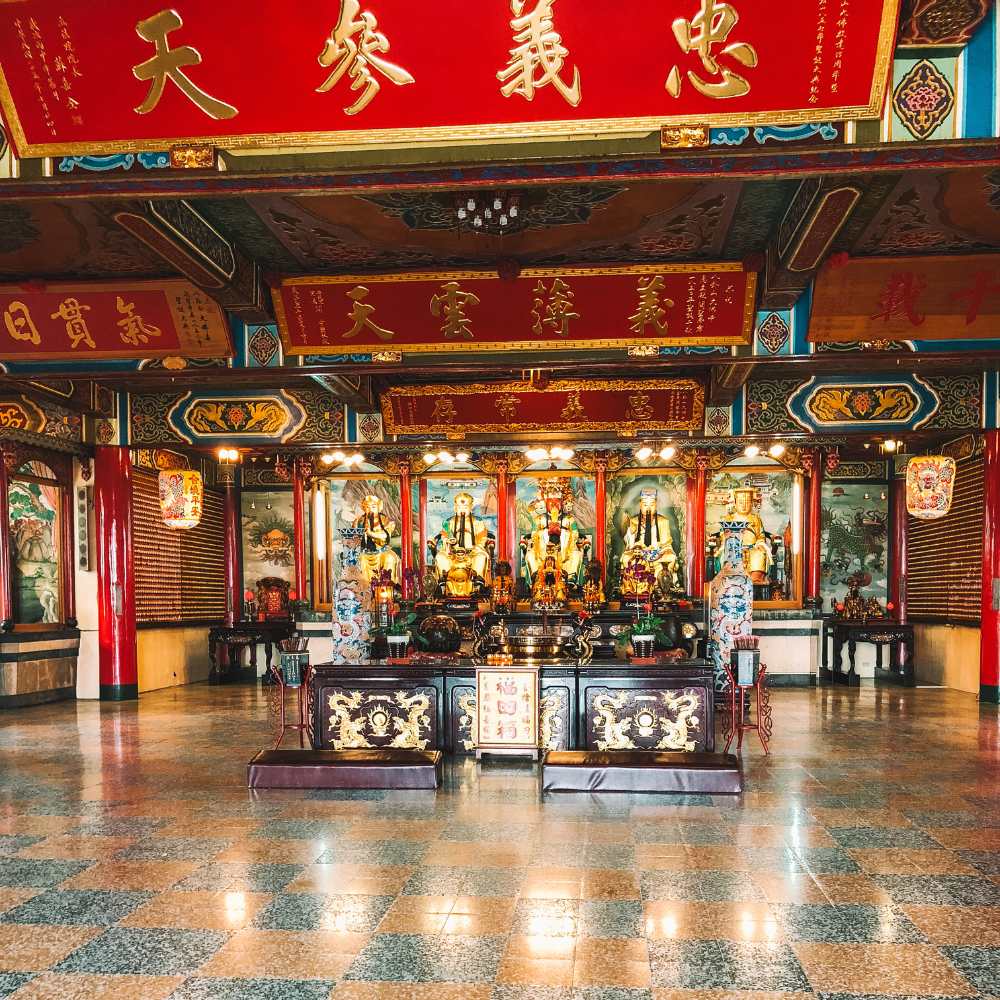
The Great Buddha Statue of Baguashan used to be one of the biggest Buddha statues in Asia at 24 meters (78 feet) high when completed in 1961. Inside are six floors where you can climb the floors to the top with each level having life-sized statues that tell the story of Buddha on his journey.
The temple behind the statue is also unique in Taiwan as is combines Taoist, Buddhist and Confucian beliefs into one single community. The first floor is dedicated to Confucius, the second floor Guan Yu (the Taoist God of War), and the third floor practices Buddhism.
This is largest Buddha statue I’ve ever seen and it’s seriously an amazing site!
Yilan County
Taiwan’s National Center for Traditional Arts
Wujie Township, Yilan County
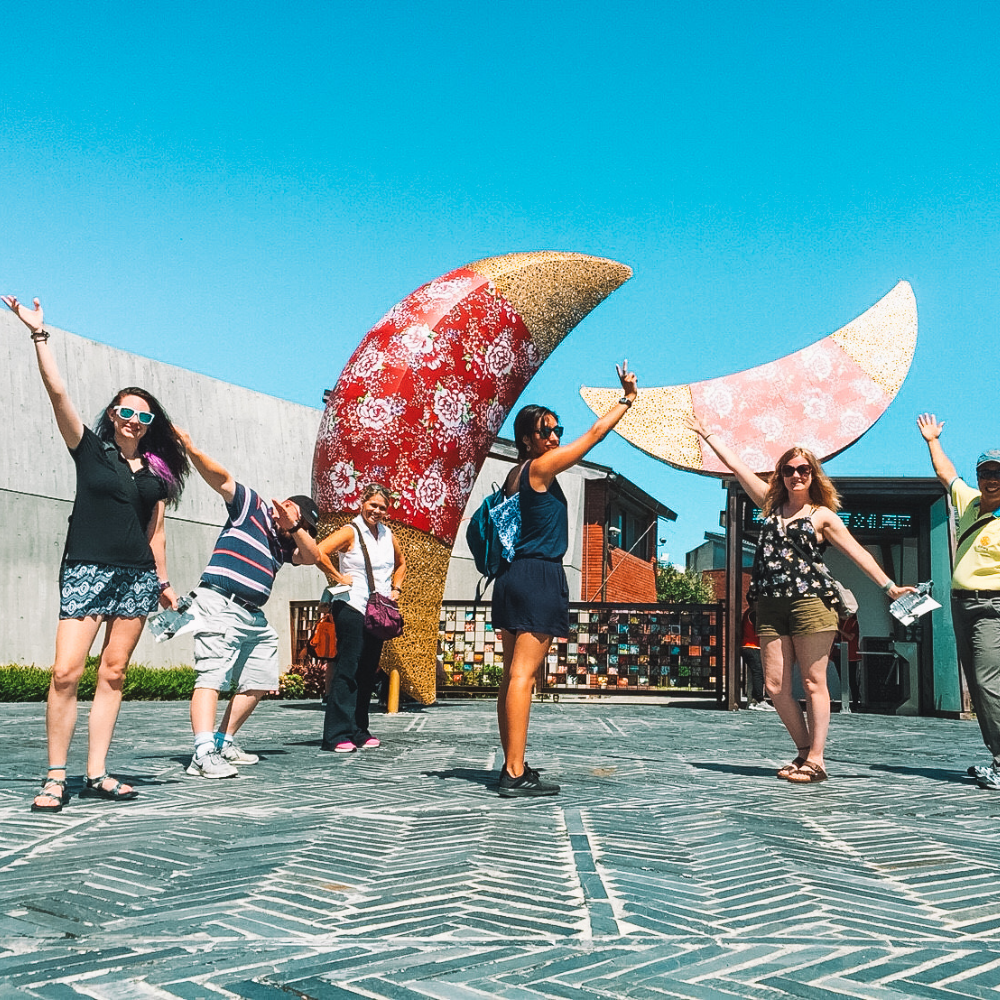
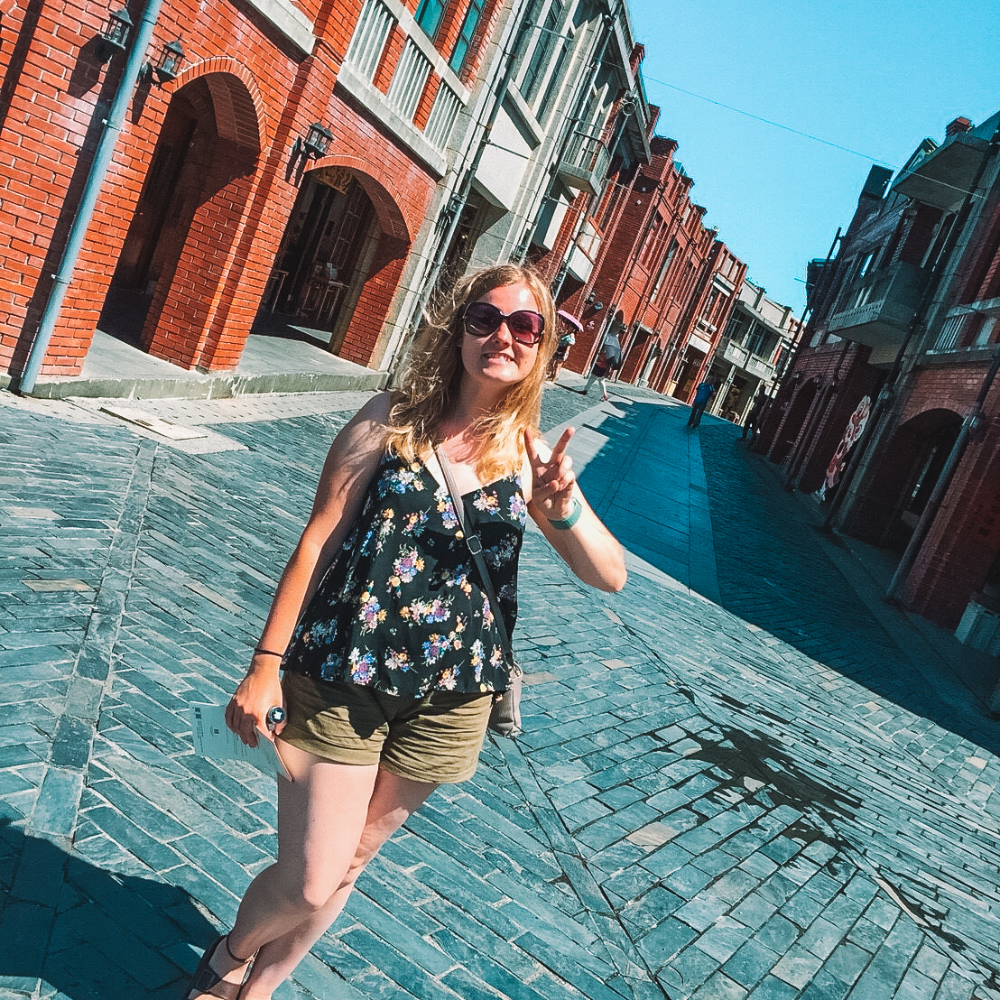
A cultural park and Taiwan’s first government-planned folk art park dedicated to the preservation, promotion, research, and development of traditional arts and crafts. It features traditional architecture, performance spaces, exhibition halls, and recreated historic streets! It features an exciting mix of experiences, from traditional drama, puppetry, music, acrobatics, and dance performances to craft demos, interactive workshops, and lively seasonal festivals.
My group got to see a traditional dance show which was incredibly interesting even though I didn’t understand a single word!
Fushan Botanical Gardens
Wulai District, Yilan County
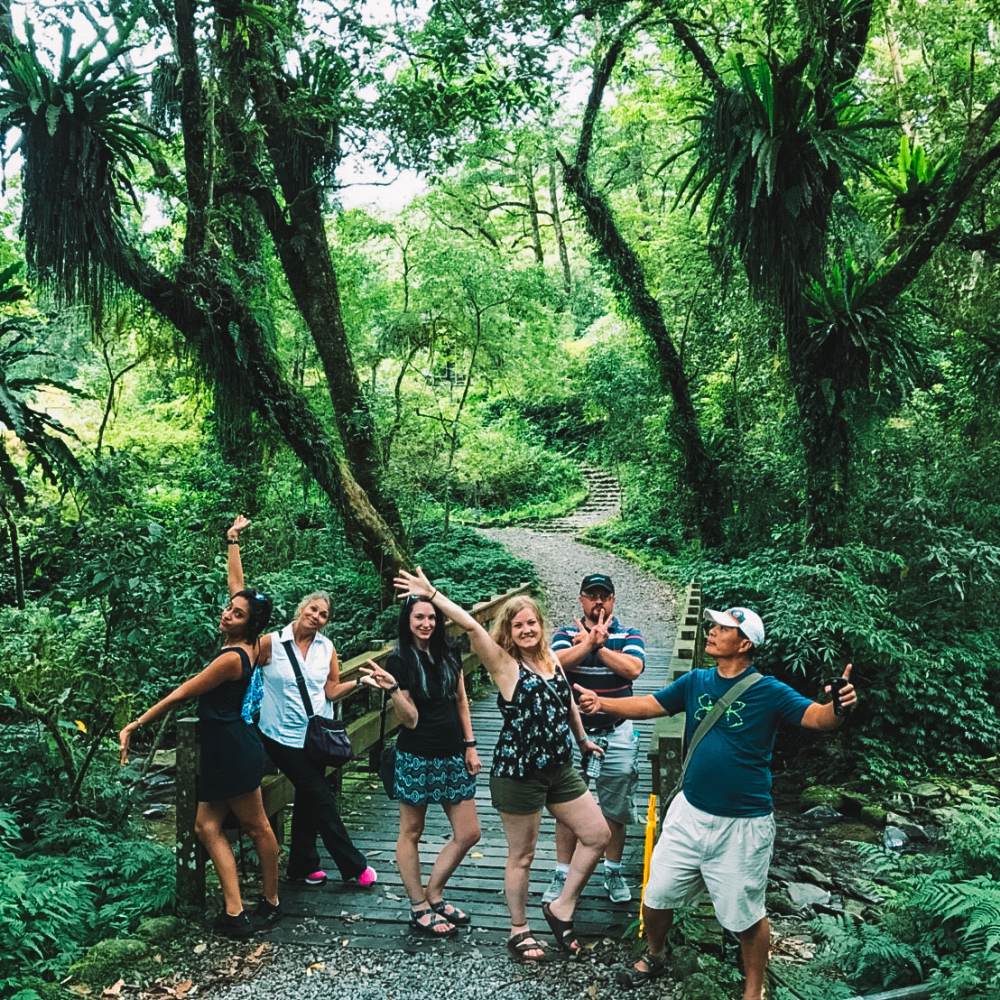
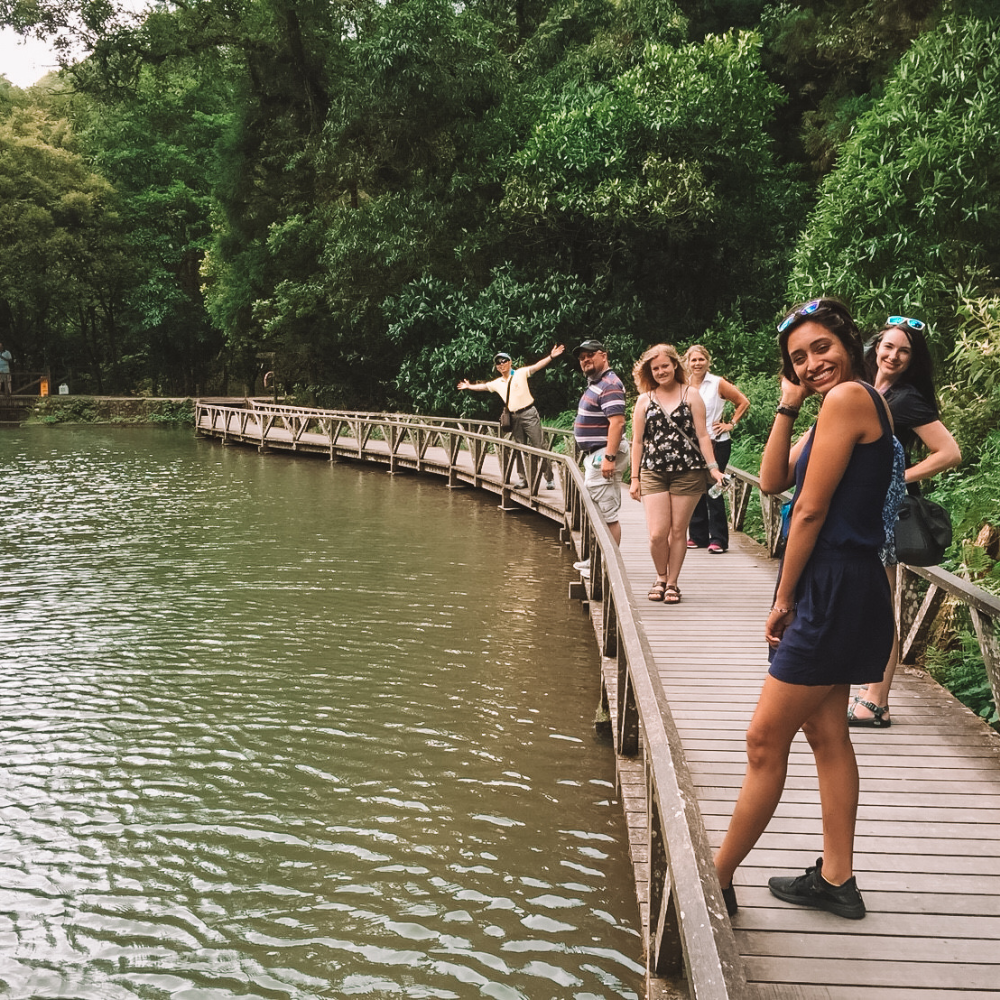
A remote and research-focused garden nestled in the hills of Yilan County, established in 1982 and opened to the public in 1993. The garden has hundreds of unique plant life, including the rare Taroko Oak. If you’d like to visit, advanced registration is required, as only 500 people per day are permitted to enter. So don’t leave it to the last minute!
There is no public transportation to this location, so you will need to arrange a private vehicle for access. Once inside, the park is truly remarkable with a floating walkway on the water, lushes greenery, and even wild deer and monkeys around. Absolutely one of my favorite places in Taiwan!