






Hiroshima carries some of Japan’s darkest history. However, it’s also a city that shows one can rebuild itself and flourish into the future.
A Brief History of Hiroshima
Hiroshima started out as a small castle town in the late 1500s, growing around Hiroshima Castle and becoming an important regional hub. Over time, it developed into a key military and industrial city, especially in the early 20th century.
The city is most known for the Atomic bombing of Hiroshima during World War II, which caused massive destruction. But Hiroshima rebuilt itself into a symbol of peace and resilience. Today, it’s a vibrant city known for places like Hiroshima Peace Memorial Park, which promotes peace for all around the world.
Hiroshima Peace Memorial
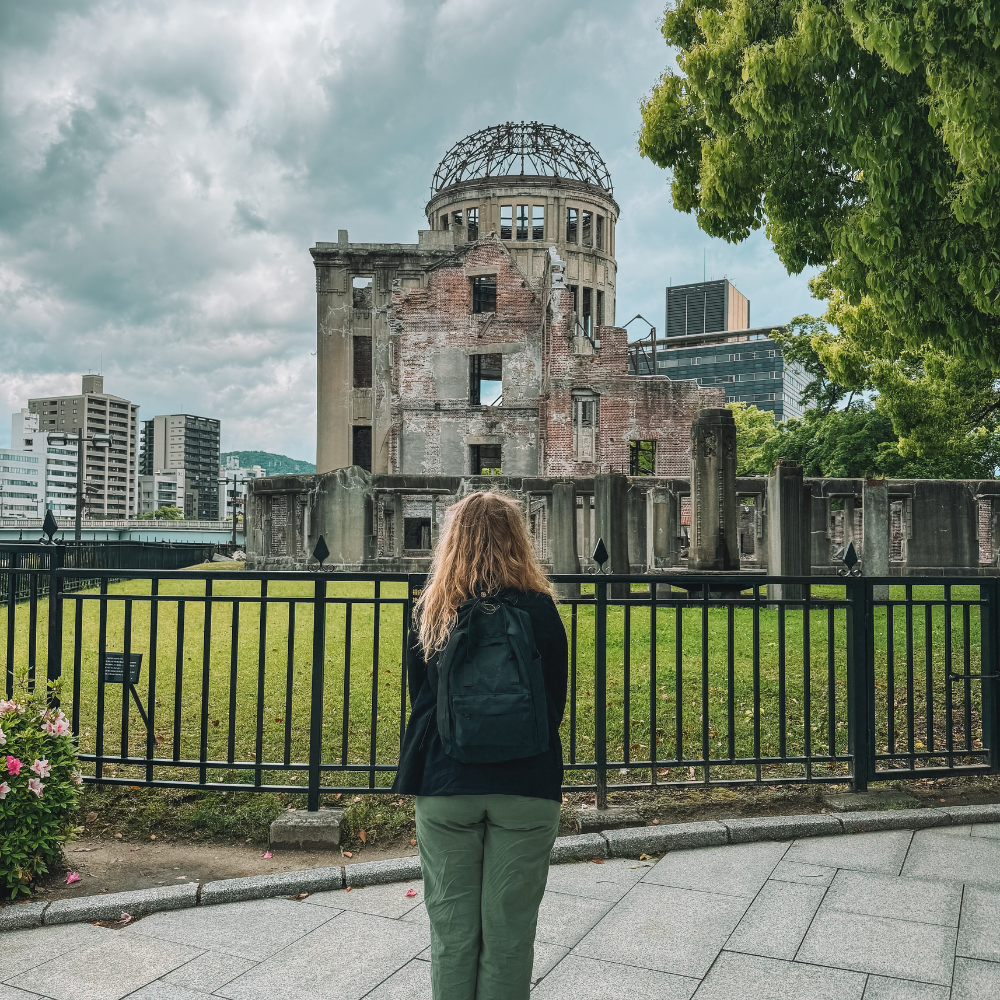
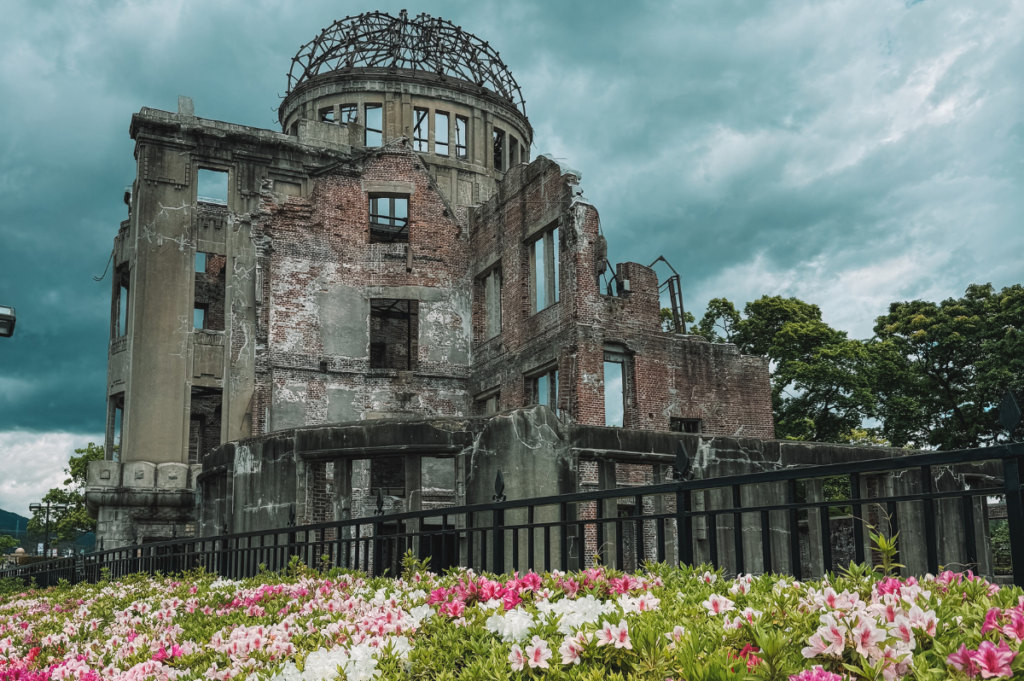
More casually or commonly known as the A-Bomb Dome or the Atomic Bomb Dome, it’s the skeletal remains of the Hiroshima Prefectural Industrial Promotion Hall. It’s been preserved in its post-bombing state within Hiroshima Peace Memorial Park. Citizens originally wanted it taken down as it reminded them of the awful day on August 6, 1945. However, it was decided to preserve it as part of the effort to show the world why there should “never be another Hiroshima”.
It is pretty jarring, knowing that it survived the horrible blast of an atomic bomb, while everything around it was flattened. In the area, there’s also a man who shows up every day, an in utero survivor, who talks to people to learn about the event. He also has a bunch of information in English that you can read if you don’t speak Japanese.
Exhibit Facility for Atomic-Bombed Remnants
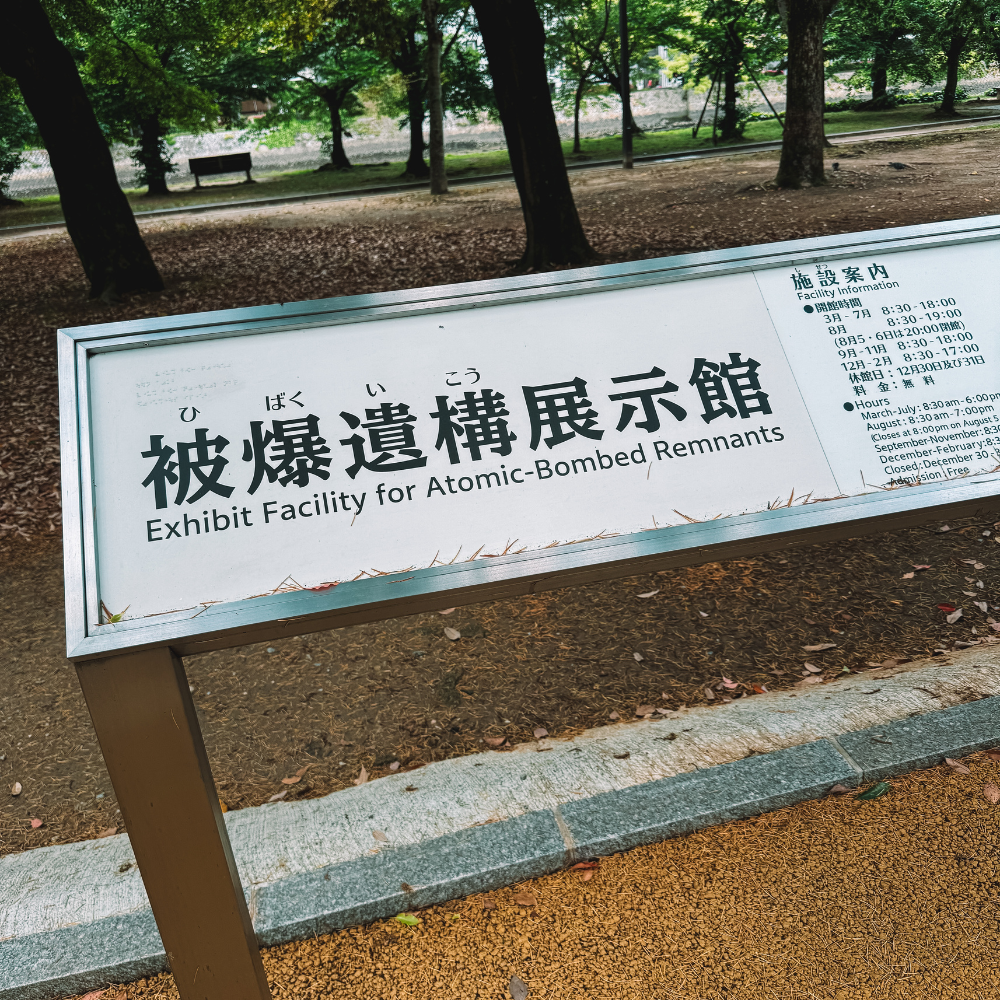
This place shows the remains of homes, paved roads, and everyday items that still carry scars from the atomic bombing, giving visitors a real, up-close look at the devastation. It’s a small center, but it’s worth looking at if you’re already in the park.
Children’s Peace Monument
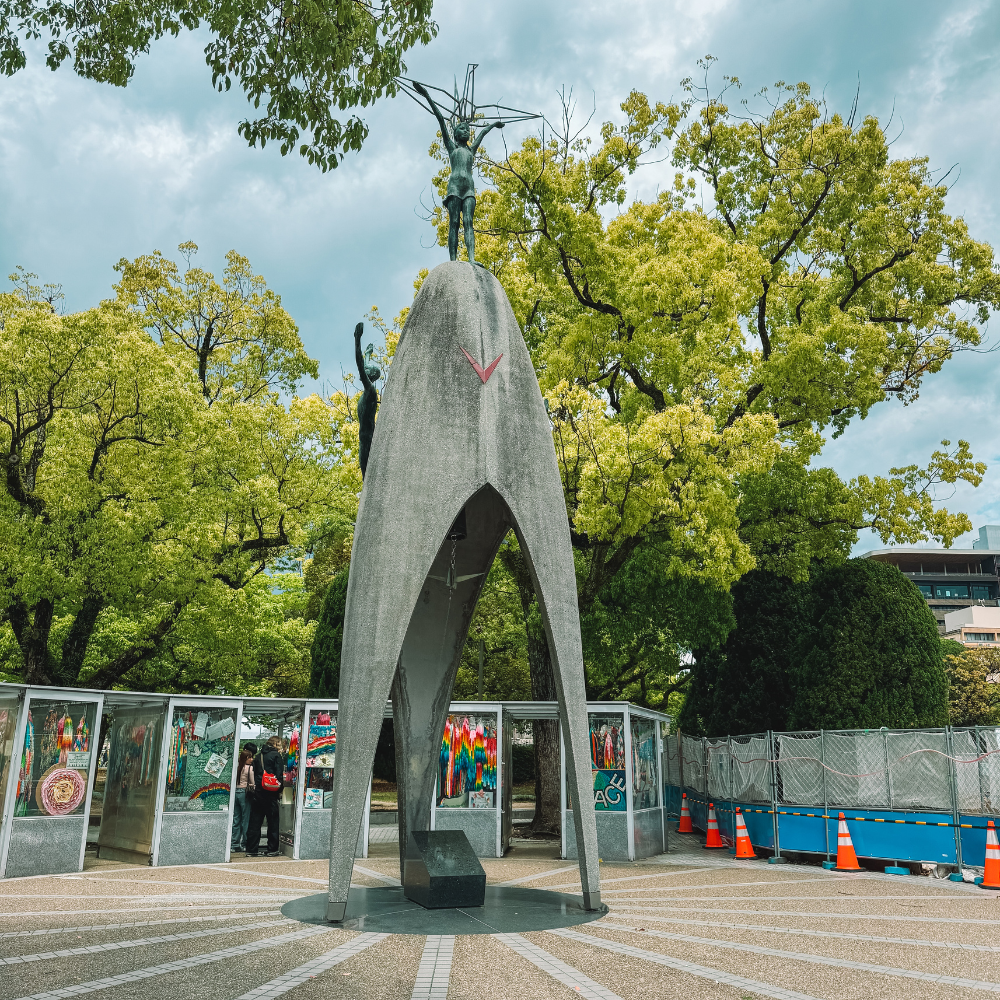
A peace monument dedicated to Sadako Sasaki and the thousands of children who lost their lives because of the atomic bombing. It honors Sadako’s story. She developed leukemia from radiation exposure and passed away on October 25, 1955, ten years after the bomb was dropped. You might be familiar with the story of her 1,000-folded paper cranes, which she believed would grant her a wish.
Flame of Peace
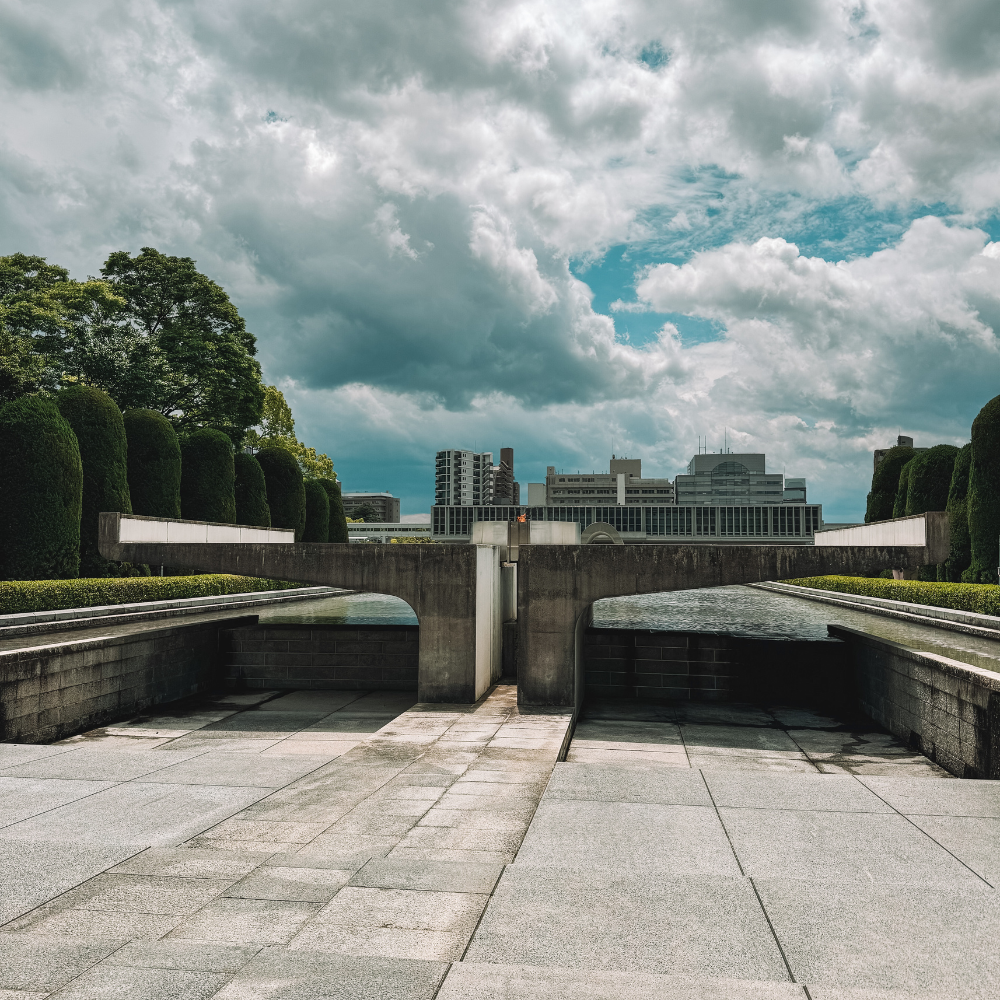
A memorial flame in Hiroshima Peace Memorial Park, designed by Kenzo Tange and first lit on August 1, 1964. It represents the anti-nuclear hope to keep burning until these weapons are completely gone from the world.
Hiroshima Peace Memorial Museum
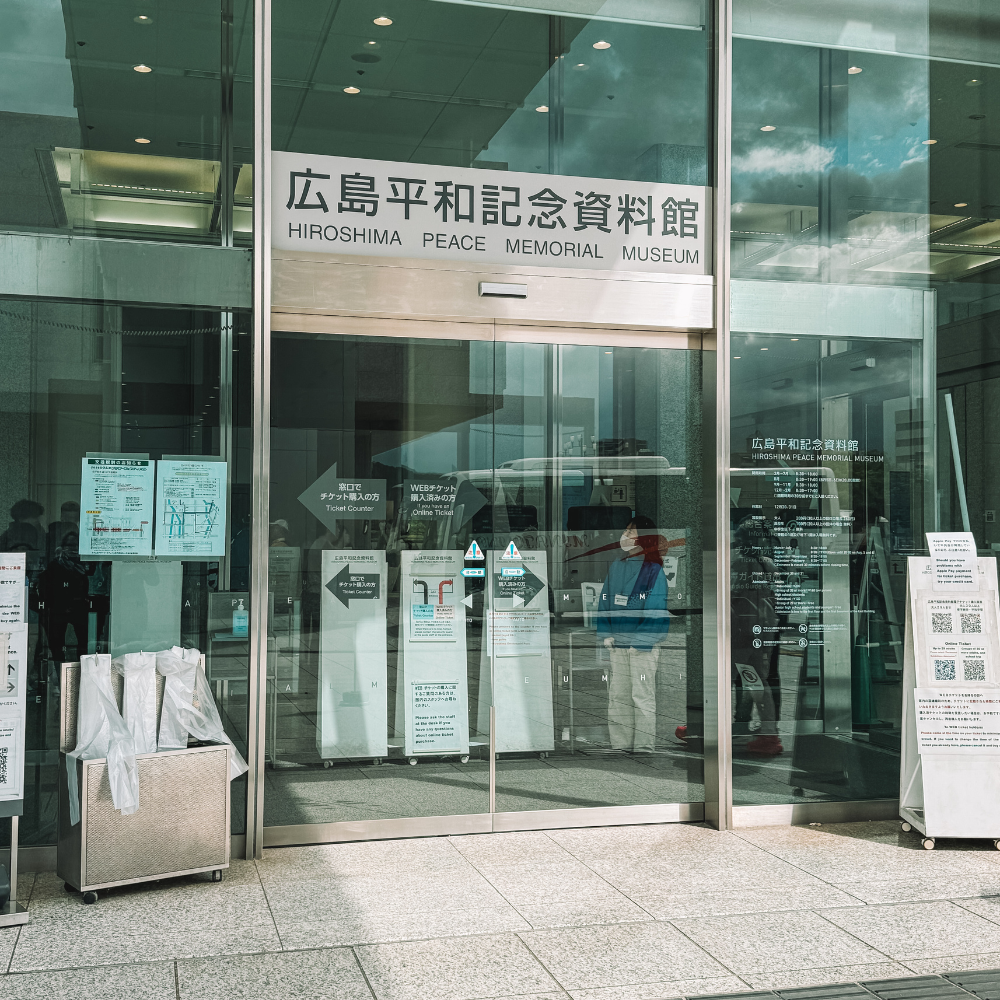
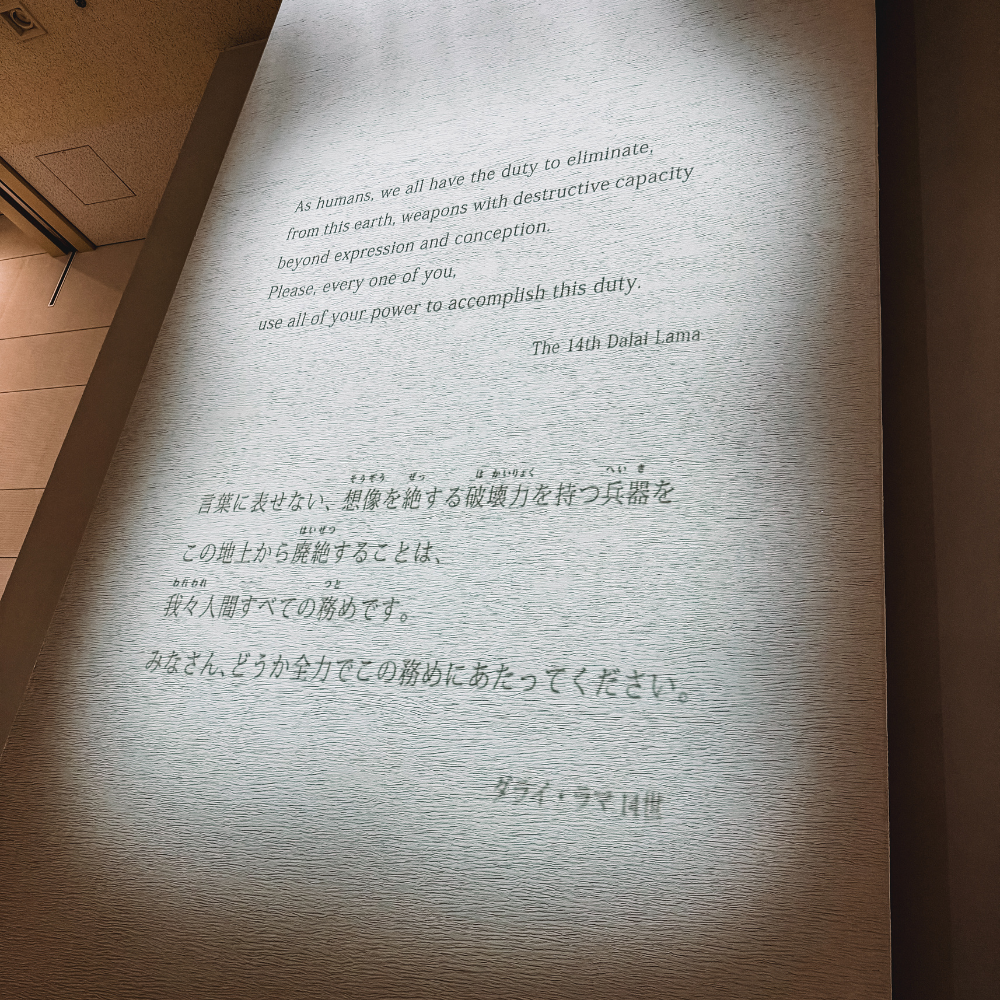
This museum shares the story of the Atomic bombing of Hiroshima during World War II. It first opened in August 1955 alongside what’s now the International Conference Center Hiroshima.
The museum leads you through the brutal reality of the attack with photos and remnants from the victims. This exhibit takes you through the different stages, from how it started to how survivors tried to continue living their lives in the aftermath. This room moves pretty slowly as you move in a line through each bit. It’s dimly lit and very quiet in this area. After some time, I did start to develop a headache, so a warning for anyone who might have some sort of sensory issues.
Moving back into the regularly lit part of the museum, you learn about the race to develop nuclear weapons and the international efforts to get rid of them all. This was a very emotionally overwhelming museum, and the second one in the world I’ve ever cried in. The topic here is heavy, but I don’t think that should keep you away.
I would recommend going earlier in the day to try to beat the crowds.
Hondori Shopping Street
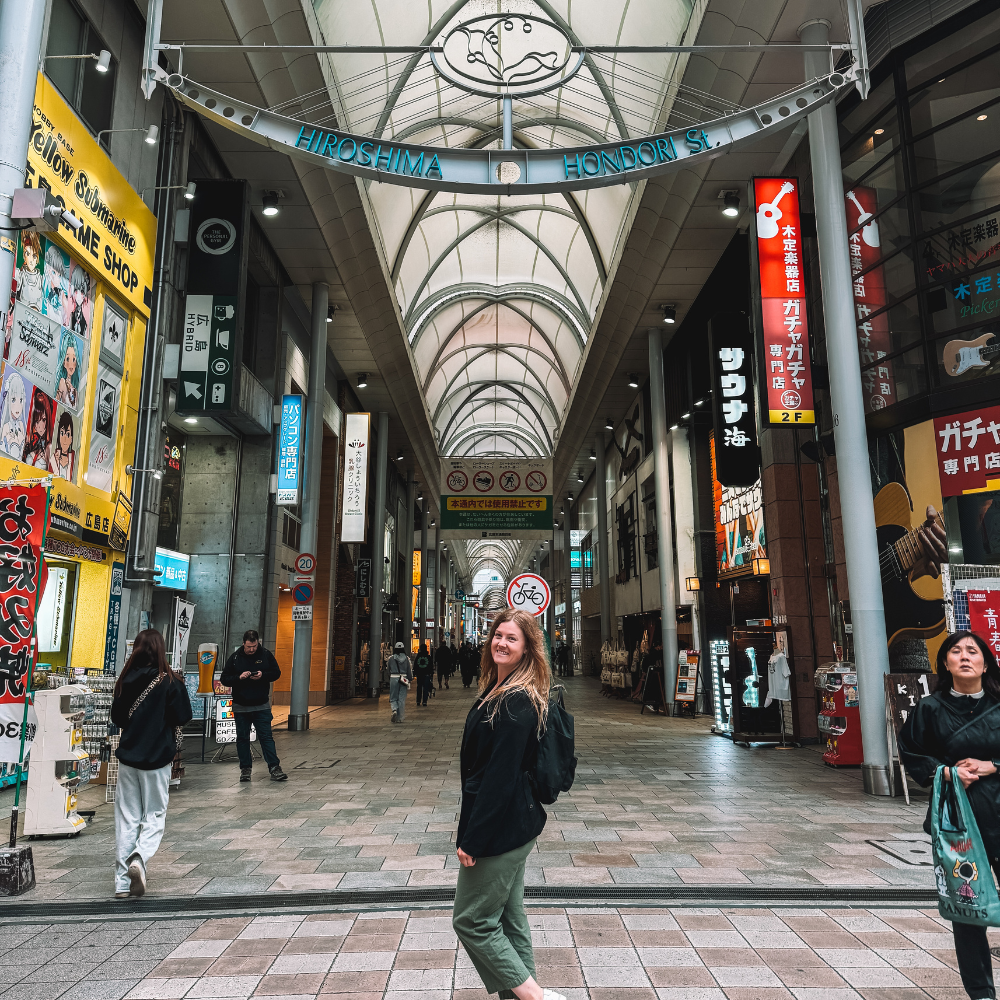
Hiroshima’s most popular shopping street, filled with fun stores and restaurants spanning about 577 meters east to west. It’s known to locals as just Hondori.
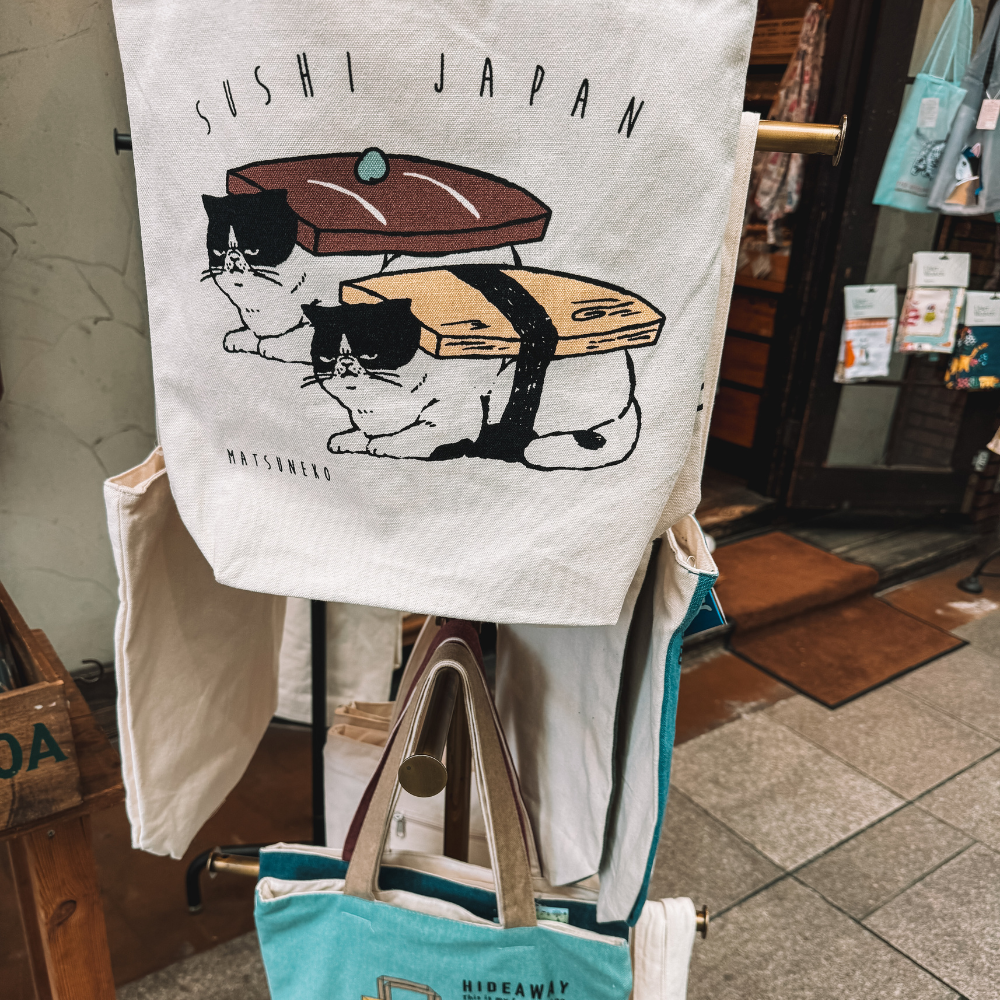
This is a great place to grab lunch! If you’re interested in trying Japanese-style pasta, Kamakura Pasta was lovely! It is a chain, but it was a unique experience for me. For an after-lunch treat, I really enjoyed Andersen, a bakery with a mix of fresh breads, sandwiches, cookies, and cakes. If you want some cute, unique souvenirs, Country Cat is a great store! I picked up a packable tote with foxes on it.
Hiroshima Castle
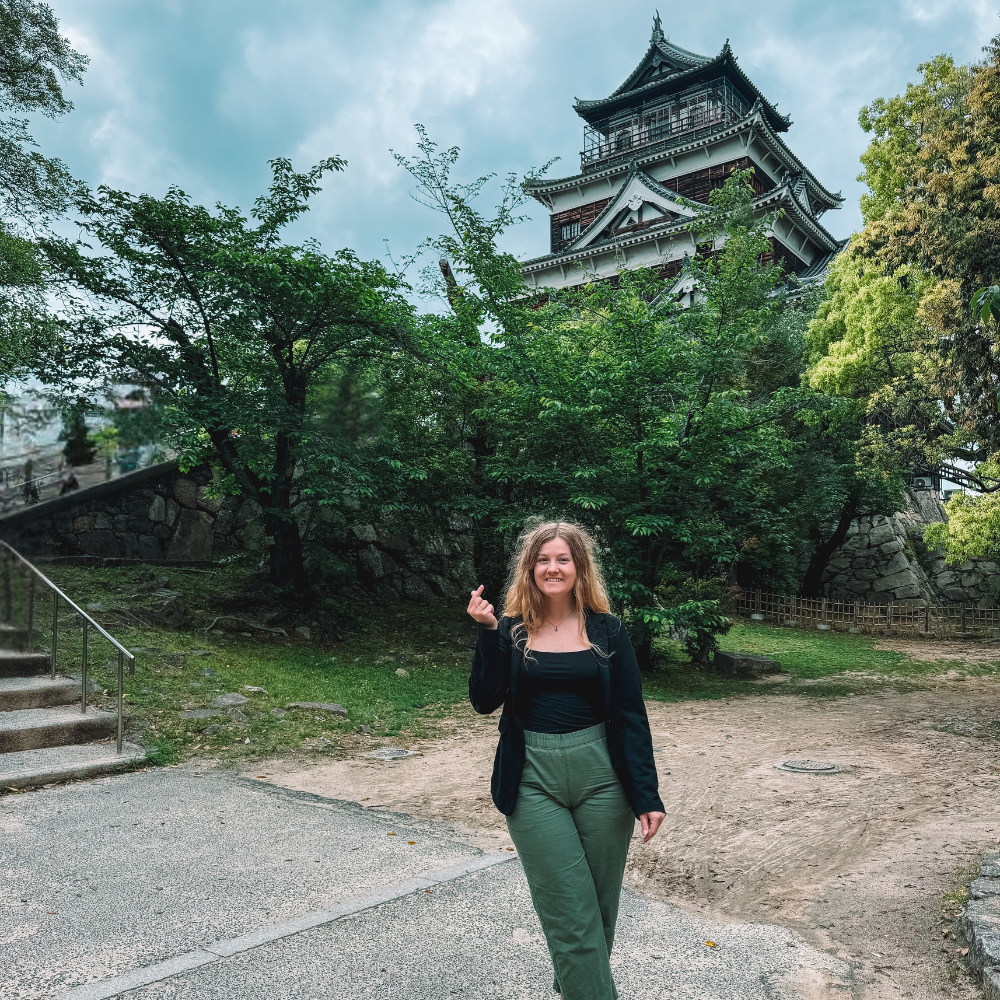
Sometimes called Carp Castle, it was the residence of the feudal lord of the Hiroshima Domain. Originally built in 1590, much of it was dismantled in the Meiji era. What remained was mostly destroyed by the atomic bombing, and the main keep was rebuilt in 1958. The inside now serves as a museum about Hiroshima prior to World War II. Unfortunately, the museum closed in March 2026 due to structural issues, and there has been no word on its reopening (as of May 2026).
It’s still absolutely beautiful to go see and walk the grounds! The castle, I thought, also had a more distinctive look than other Japanese castles, with its unique outer wood paneling.
Hiroshima Gokoku Shrine
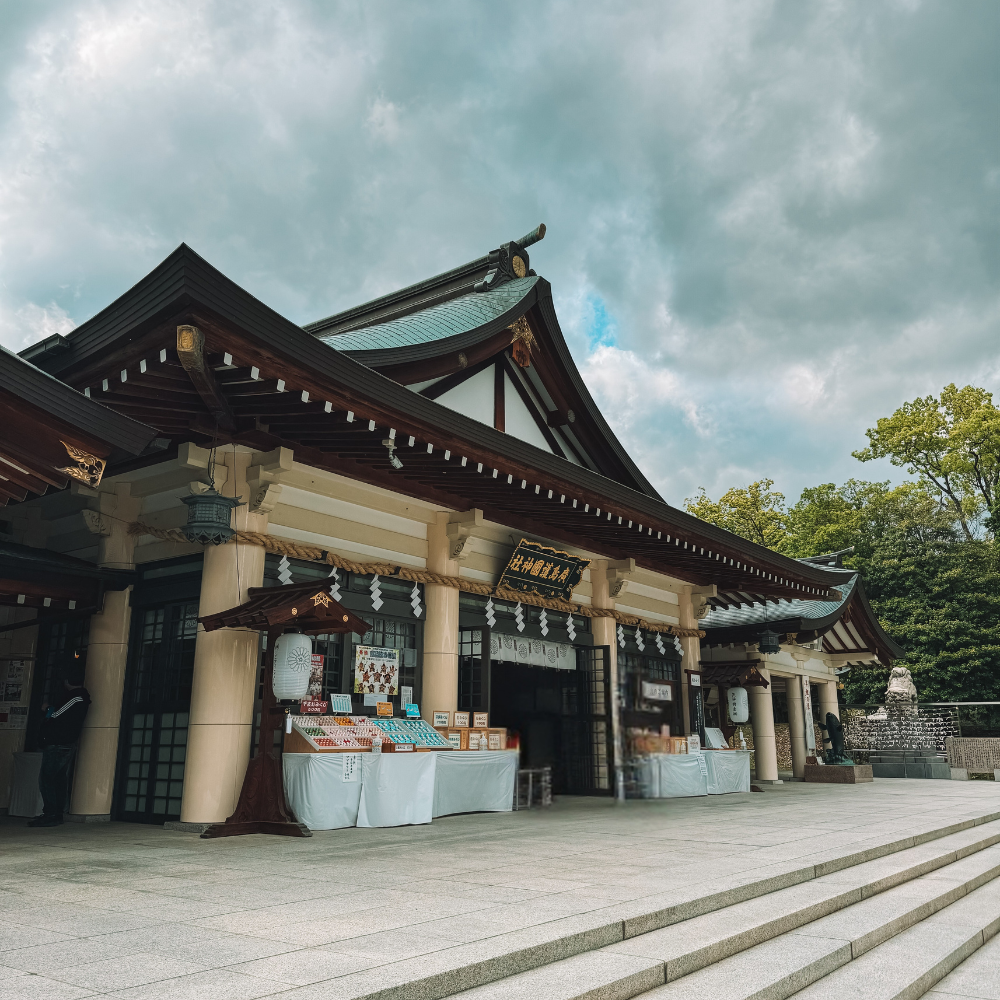
A Shinto Shrine, originally founded in 1869. In 1934, it was dismantled and relocated to the site where the Hiroshima Municipal Stadium now stands. The original was destroyed in 1945, but it was rebuilt in 1965. It’s now within the grounds of Hiroshima Castle.
The area is quite small, but it’s an easy stop if already visiting the castle.
Final Thoughts
I went to Hiroshima fully with the intention to see the history of the atomic bombing, as most do. Seeing what was still standing and walking through the museum almost broke me. It’s a pretty difficult one to get through.
However, Hiroshima isn’t all doom and gloom. While I believe the history of the bombings is important to understand, there’s so much beauty in this city that shouldn’t be overlooked. It’s incredible how they were able to recover from an event so horrific and today advocate for the end of all nuclear weapons. It’s a phenomenal place to see.